For the first time, the PolSCA PAS Office engaged in the organisation of an international study visit addressed directly to researchers, rather than to its traditional national audiences or expert and managerial communities. Within the framework of the EMERGE-EU initiative, PolSCA co-organised a three-day networking study visit for emerging researchers in advanced materials, implemented in cooperation with fellow Brussels-based liaison offices. This marked a new experience for the Office – both in terms of the target group and the international format – complementing PolSCA’s previous activities focused on funding instruments such as ERC and MSCA, or science-for-policy initiatives addressed primarily to the scientific committees of the Polish Academy of Sciences. Further details on the programme and outcomes of this study visit are presented below in the full recap.
Strengthening European Networks in Advanced Materials
The EMERGE-EU networking study visit was conceived as a targeted initiative to strengthen the ability of emerging researchers in advanced materials to navigate the European research and innovation landscape, while fostering direct engagement with key EU-level institutions, funding bodies, and professional networks. The visit brought together early- and mid-career researchers (R2–R3) representing Belgium, Bulgaria, Germany, Poland, Slovakia, and the United Kingdom, reflecting the diversity and scientific breadth of the European advanced materials community.
Participants were affiliated with a wide range of academic and research institutions, including national academies of sciences, universities of technology, and research-intensive universities. These included:
- Ghent University (Belgium)
- Bulgarian Academy of Sciences (Institute of Physical Chemistry & Institute of Optical Materials) and Sofia University
- IFW Dresden and RWTH Aachen Leibnitz-associated institutes (Germany)
- three institutes of the Polish Academy of Sciences (Institute of Physical Chemistry, Institute of Organic Chemistry, Institute of Catalysis and Surface Chemistry)
- Alexander Dubček University of Trenčín and the Slovak Academy of Sciences (Polymer Insitute)
- and two UK-based universities: University of Bath and Aston University.
This institutional diversity ensured a genuinely interdisciplinary exchange spanning chemistry, physics, materials engineering, biomaterials, and applied technologies.
Day One: Policy Perspectives and Community Advocacy
The first day of the study visit, hosted in Brussels, placed a strong emphasis on the policy dimension of advanced materials research and its positioning within the European Research Area. Participants were introduced to current priorities of the European Commission, with a particular focus on how scientific expertise in advanced materials feeds into EU policymaking.
Sessions with representatives of DG Research & Innovation (DG RTD) and the Joint Research Centre (JRC) highlighted the growing importance of science-for-policy mechanisms and the role of evidence-based research in shaping industrial leadership, sustainability, and strategic autonomy. These exchanges provided participants with a clearer understanding of how research agendas and policy frameworks interact at EU level, and how researchers can engage more actively beyond project-based funding.
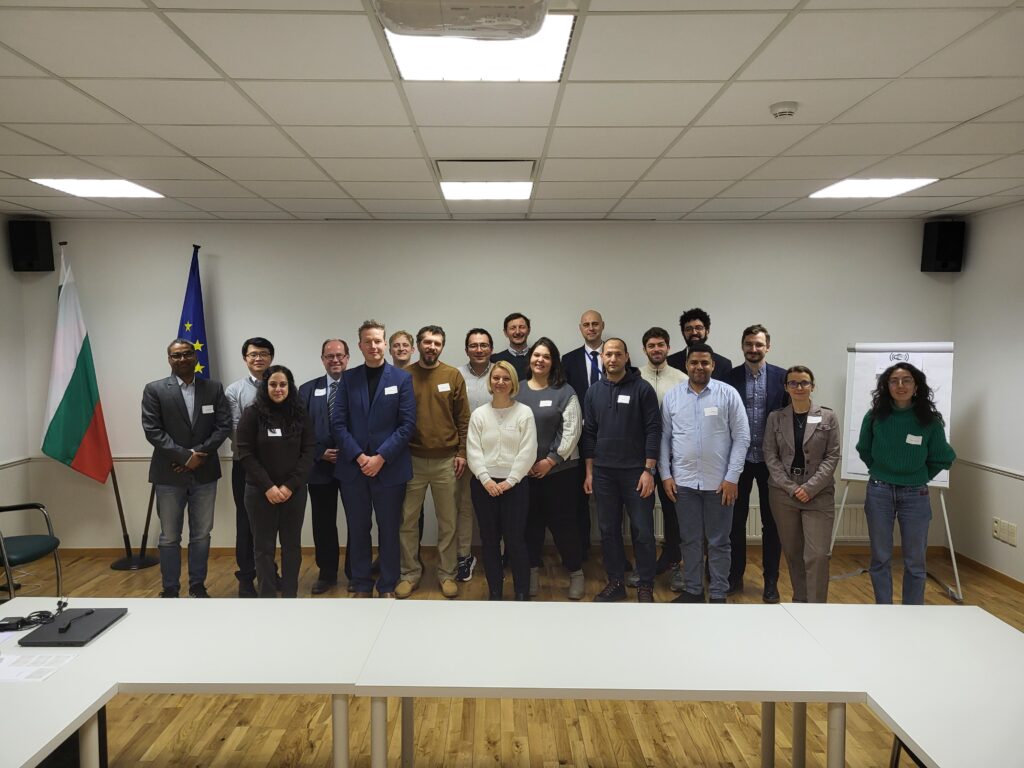
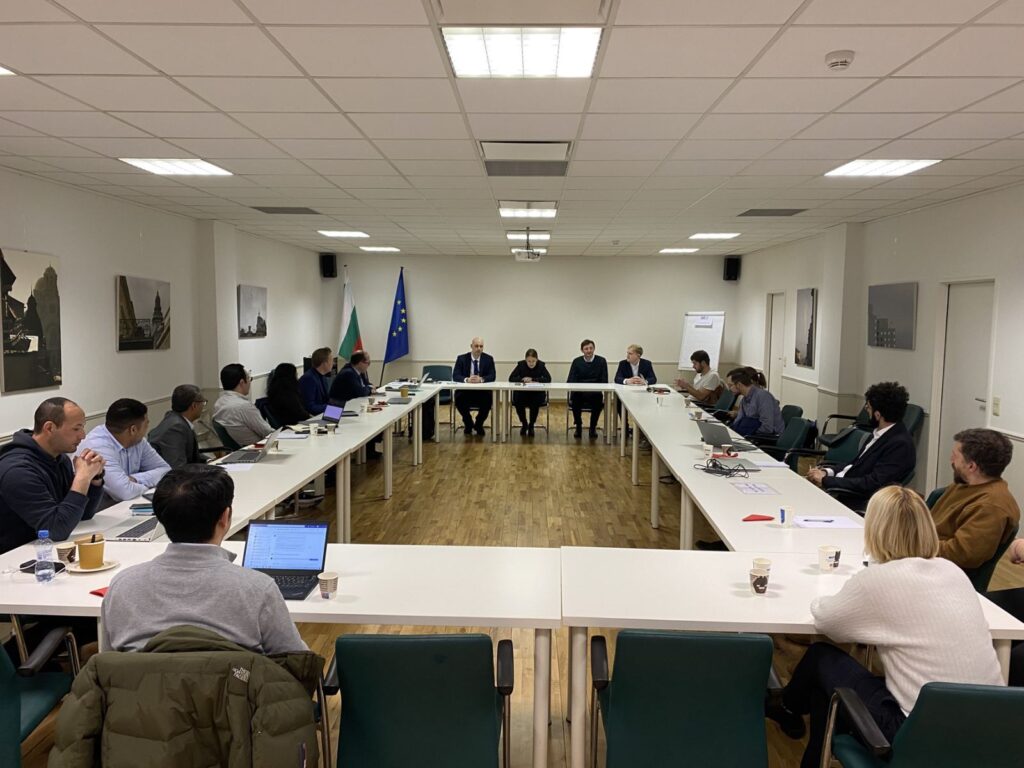
An equally important element of the first day was the interaction with the Federation of European Materials Societies (FEMS). Discussions with FEMS leadership underlined the role of professional societies in advocacy, representation, and community building across Europe. The exchange illustrated how disciplinary networks contribute to shaping strategic debates, supporting early-career researchers, and strengthening the collective voice of the materials science community.
Day Two: Funding Opportunities and Matchmaking in Practice
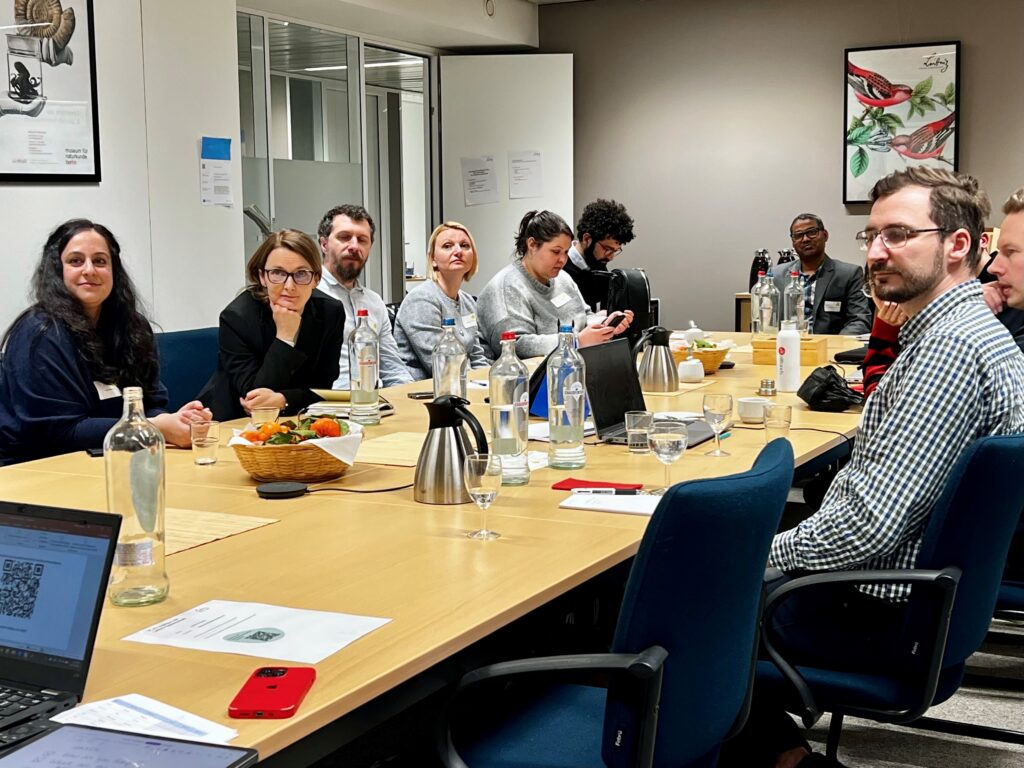
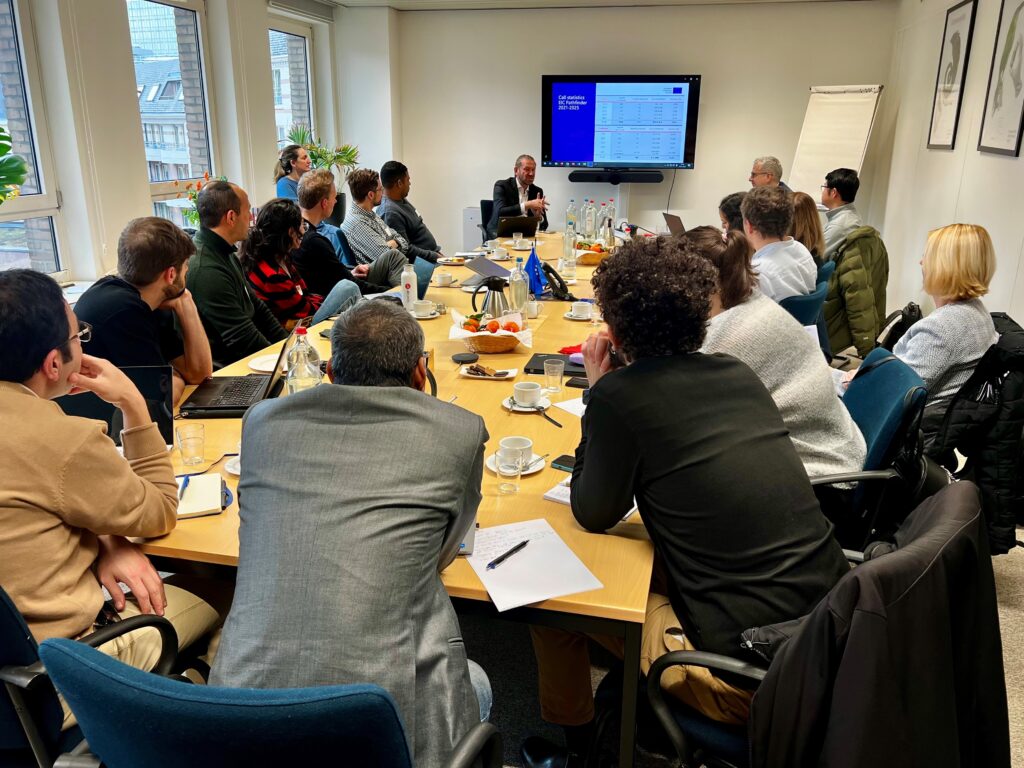
The second day focused on European funding instruments, offering participants a structured overview of opportunities spanning individual excellence, collaborative research, and breakthrough innovation. Presentations covered key schemes such as ERC grants, COST Actions, and EIC Pathfinder, alongside insights into upcoming opportunities under the Horizon Europe Work Programme 2026–2027 for advanced materials as well as IAM-I Partnership.
Rather than addressing funding in abstract terms, the sessions emphasised practical considerations: how calls are shaped by policy priorities, how different instruments complement each other, and how emerging researchers can utilize their scientific networks and position themselves strategically within consortia or as future coordinators.
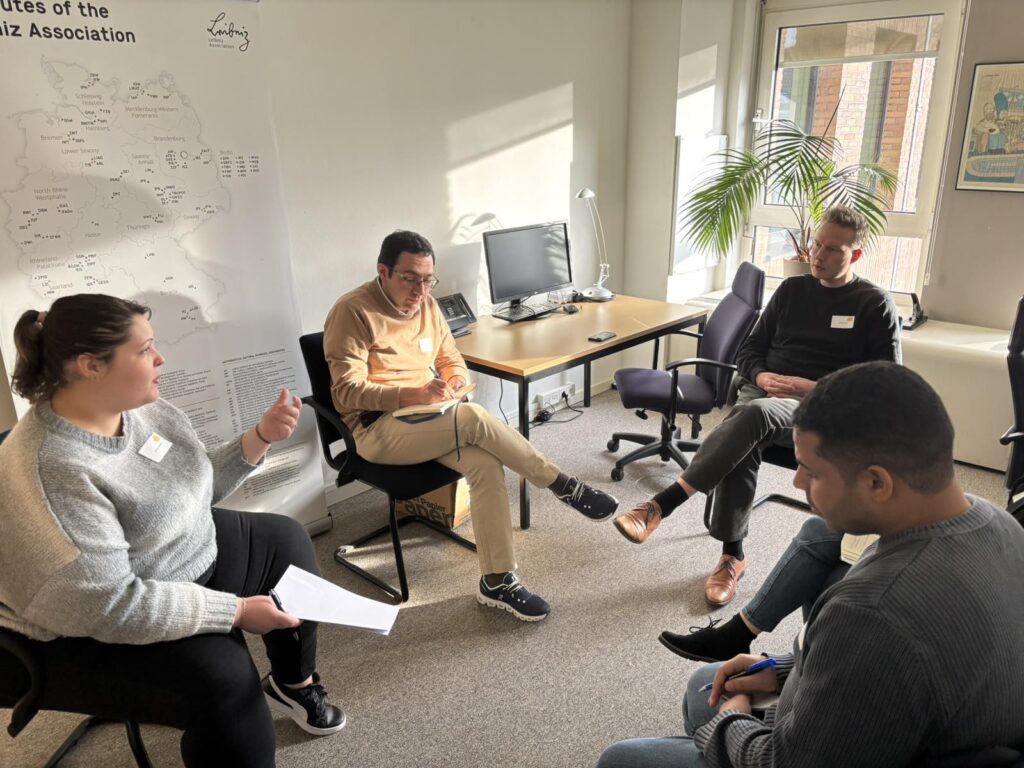
A central highlight of the day was the matchmaking session, designed as a structured yet informal space for peer-to-peer exchange. Through a series of rotating discussion rounds, participants presented their research profiles, explored complementarities, and identified concrete opportunities for future collaboration. The session demonstrated the value of facilitated networking, translating policy and funding information into tangible project ideas and potential partnerships across countries and disciplines.
Day Three: Institutional Visit to Ghent University
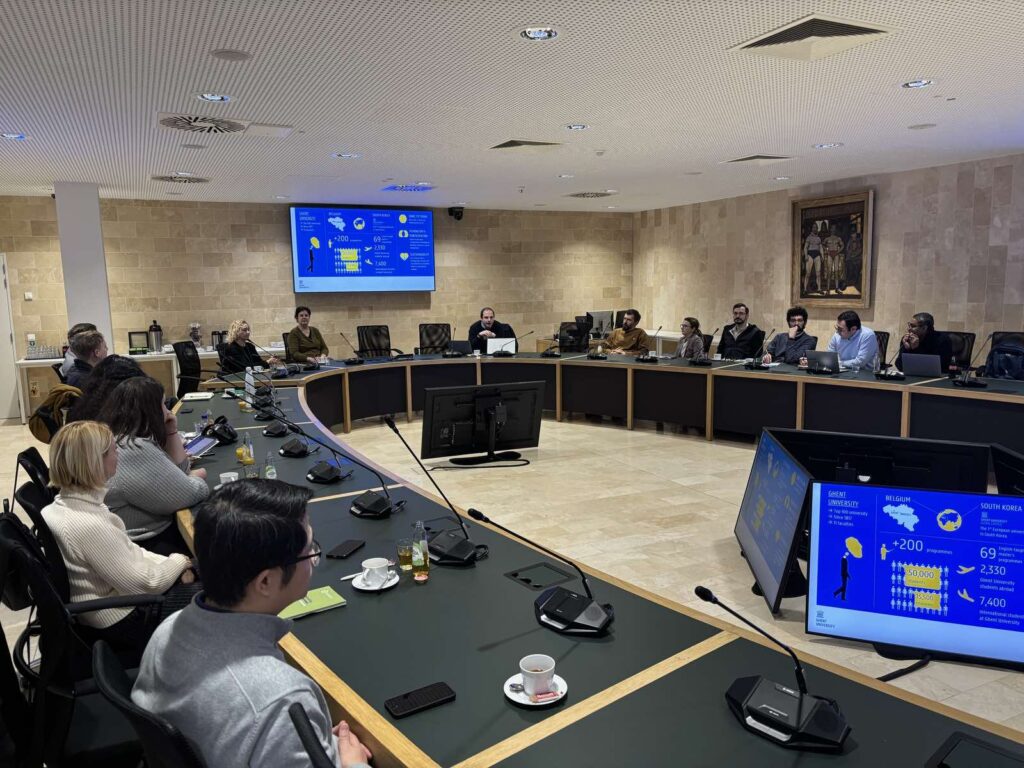
The final day of the study visit was dedicated to an institutional visit to Ghent University, offering participants an in-depth look at how a leading European research university organises and supports research (including in advanced materials). The programme encompassed meetings with central research support services, highlighting models of research coordination, proposal support, and project management within Horizon Europe.
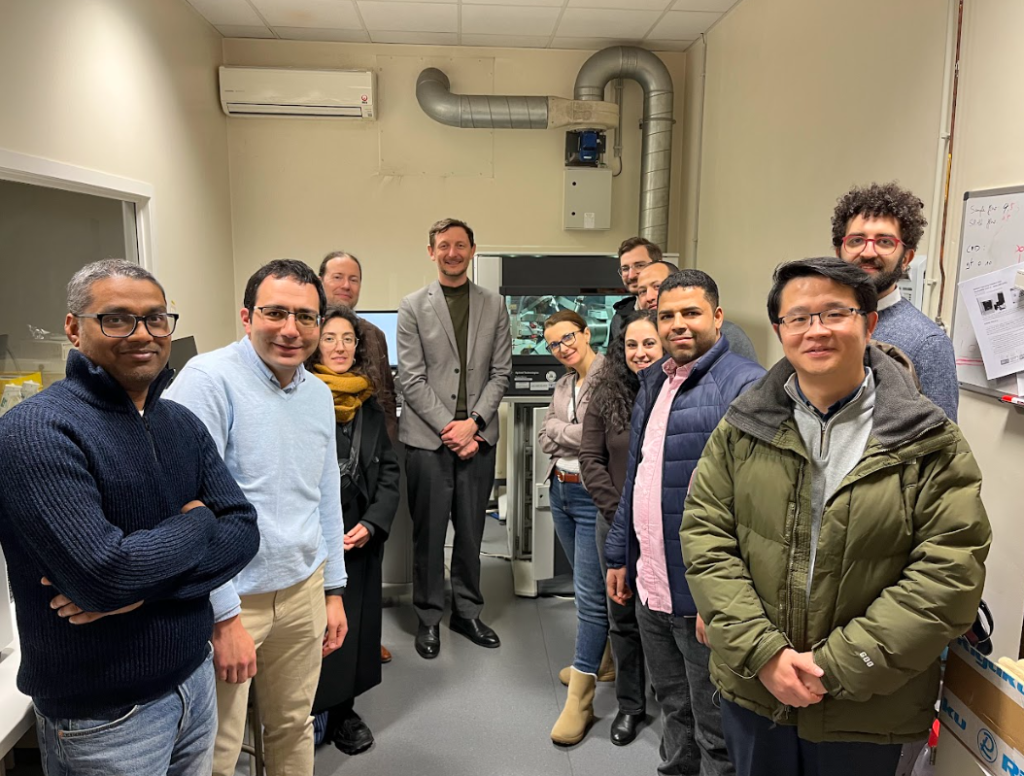
Participants also visited advanced materials laboratories at the Department of Chemistry, where they engaged directly with host researchers and gained insight into ongoing work in catalysis, functional materials, and structural characterisation. These visits complemented the Brussels-based policy and funding discussions by grounding them in concrete research environments and infrastructures.
Looking Ahead
The EMERGE-EU study visit confirmed the strong interest among emerging researchers in combining scientific excellence with strategic engagement at European level. By linking policy dialogue, funding opportunities, professional advocacy, and institutional practice, the visit provided a comprehensive perspective on how advanced materials research can thrive within the European ecosystem. Just as importantly, it laid the foundations for new professional connections and future collaborations that will extend well beyond the three days in Brussels and Ghent.
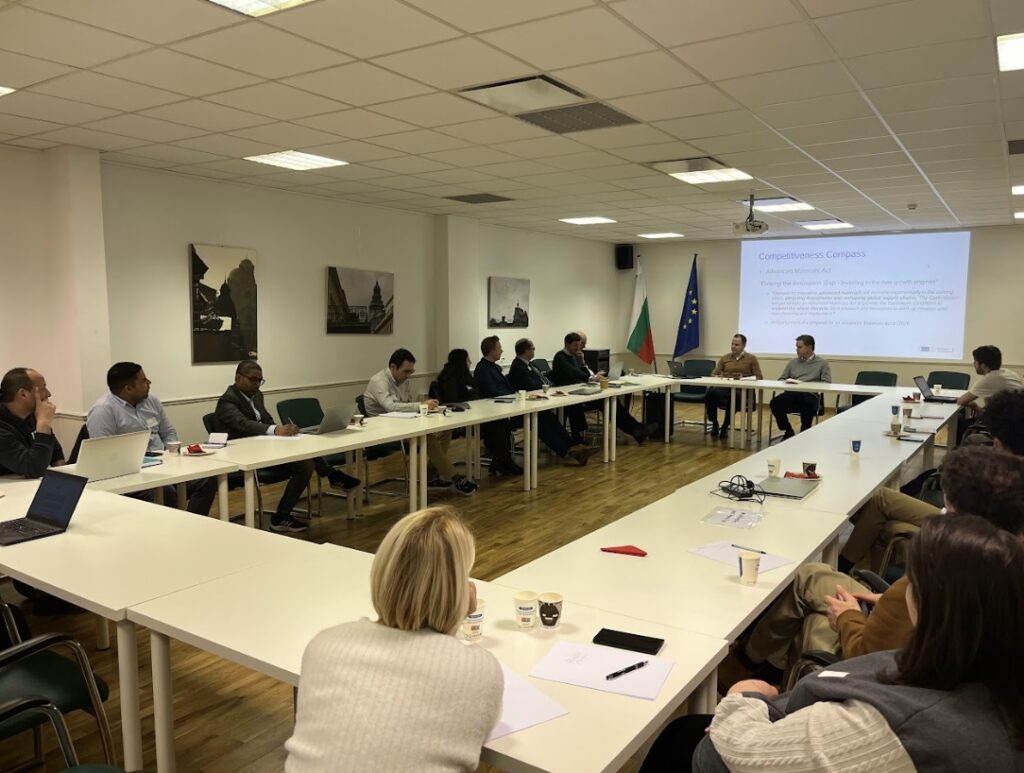
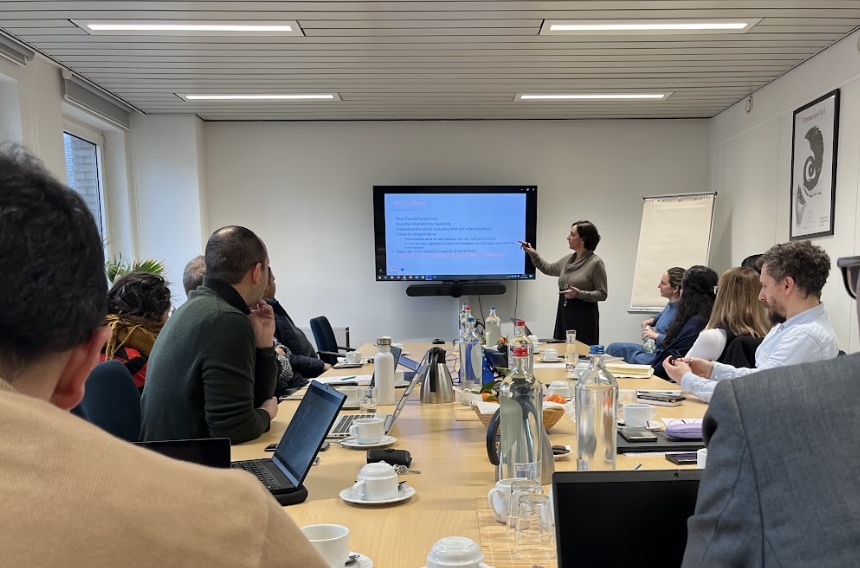
The study visit highlighted the important role played by Brussels-based liaison offices, whose close proximity to EU institutions and transnational networks allows them to effectively strengthen researchers’ capacities while offering internationally oriented, policy-aware networking opportunities, as demonstrated through the cooperation of liaison offices (BLOR – Bulgarian Liaison Office for Research; Leibniz Association – Europe Office, PolSCA – Polish Science Contact Agency of the Polish Academy of Sciences, SLORD – Slovak Liaison Office for for Research and Innovation and UKRI – UK Research and Innovation) and local partner organizations (i.e. Ghent University, Belgium).


