From 9 to 11 March 2026, Brussels hosted another edition of the V4 Training for Research Project Managers – a joint initiative of the liaison offices of the Visegrad Group countries, aimed at professionals involved in the management and administration of research projects. This year’s programme once again combined the perspective of European research policy, the practical aspects of project implementation, and the development of soft skills that are simply essential in the day-to-day work of research managers.
Policy context and institutional visibility
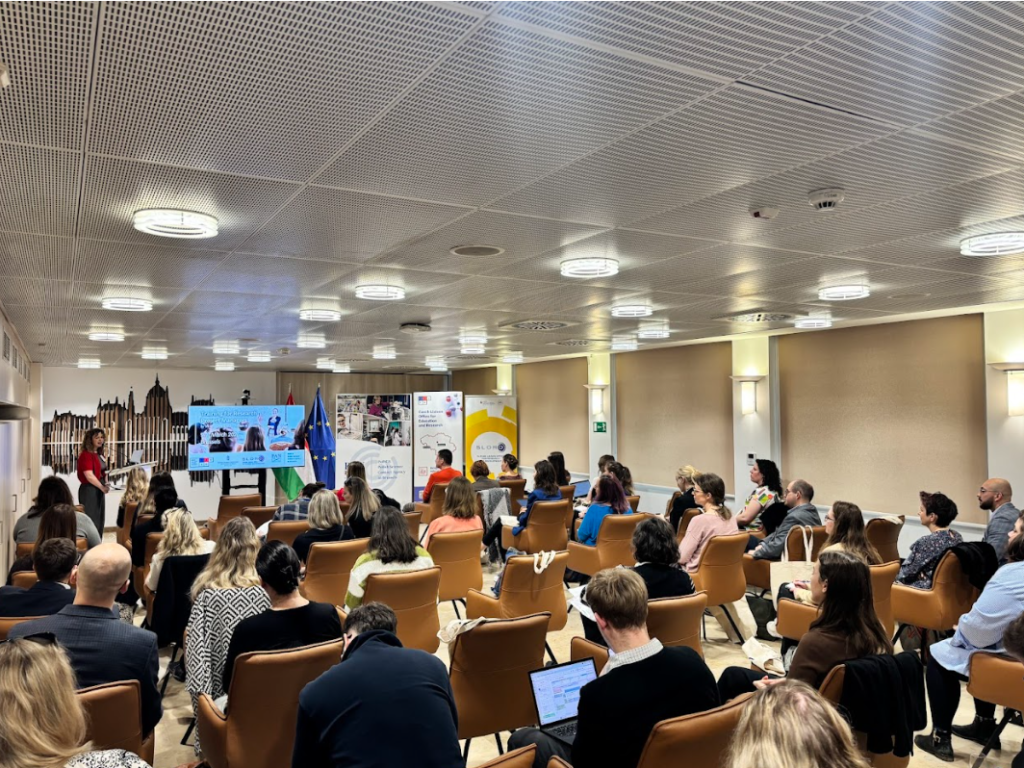
The spring edition of the training was divided into three days, each with its own main theme. The first day focused on the European research and innovation landscape. Participants discussed the place of Horizon Europe in the broader political context, the European Research Area, the process of preparing work programmes, and how to better follow and understand the directions of change that shape future calls.
The programme also looked ahead, including discussions on FP10 and the next EU financial framework. In addition to speakers from the V4 liaison offices, the day featured external guests: Anna Seip from DG RTD, Sylvia McCarthy from Hyperion, and Kamila Koziróg from the European University Association.
Project management in practice
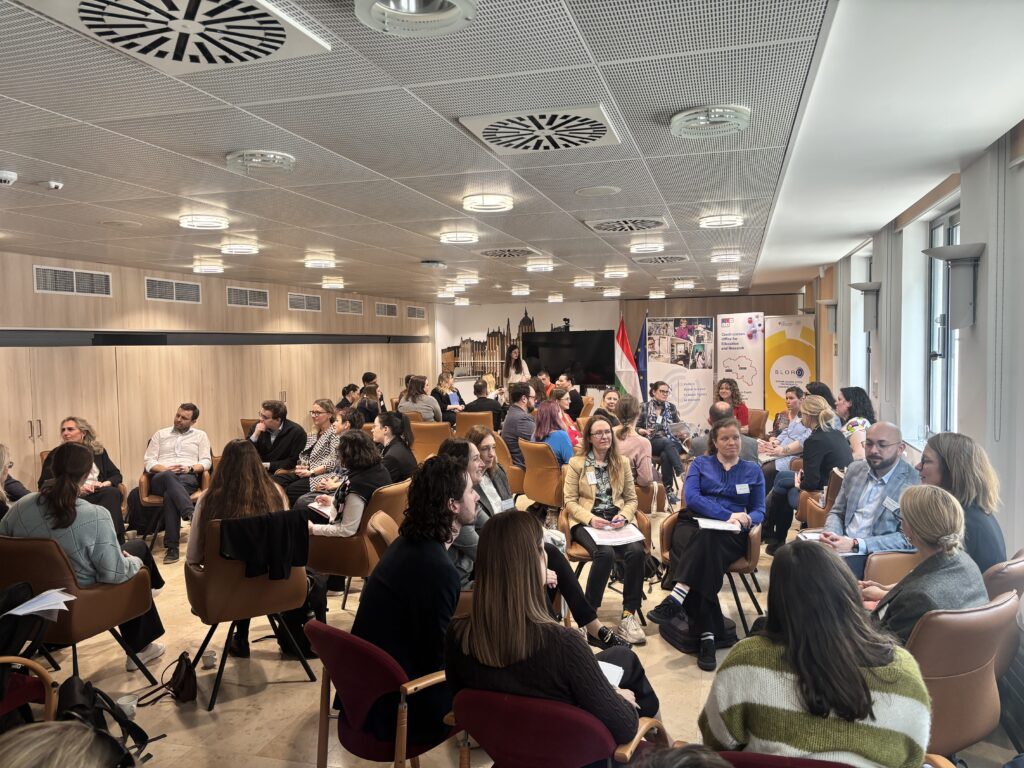
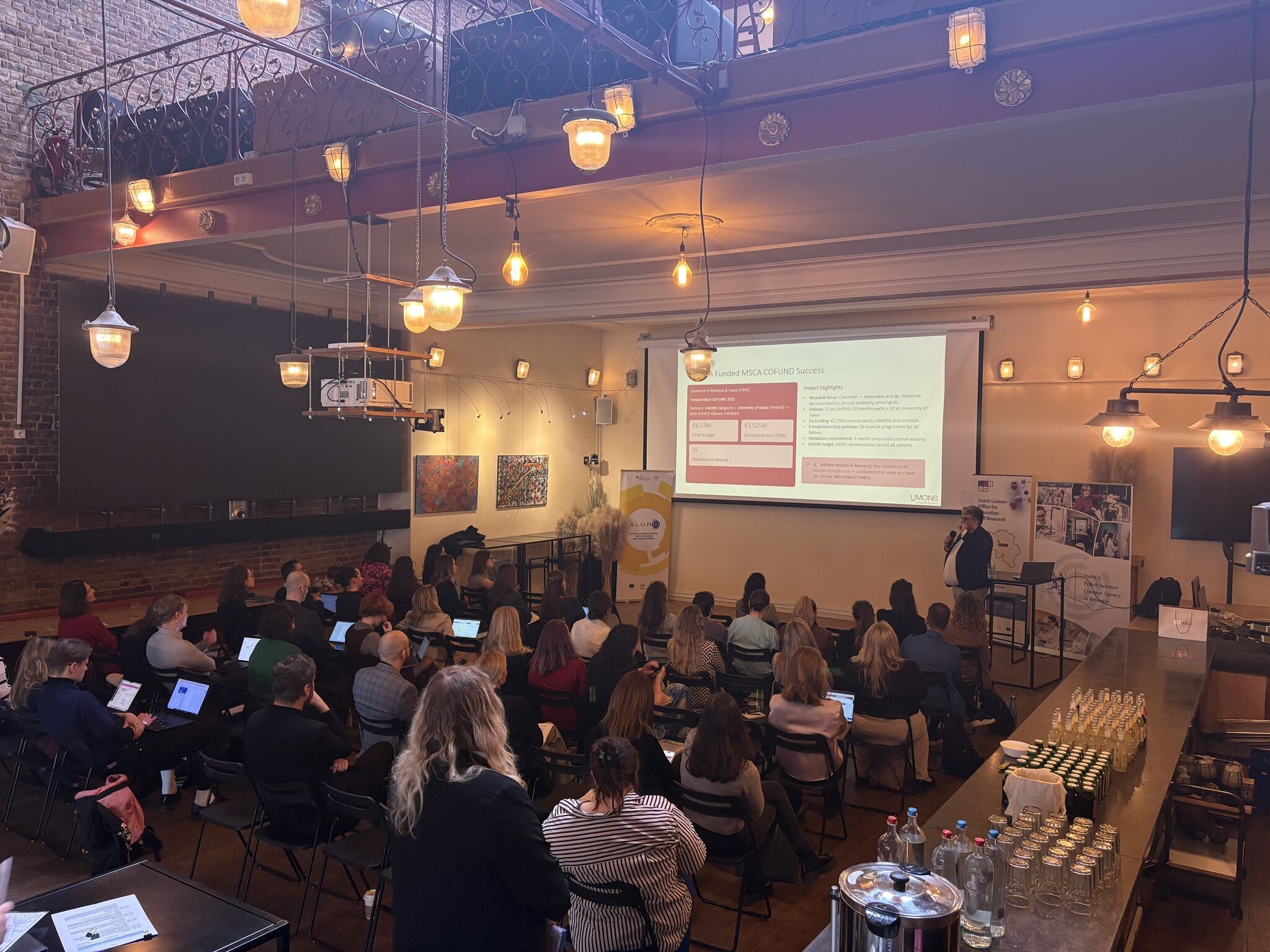
The second day focused on what is closest to the day-to-day practice of many participants: project management in an environment where policy meets implementation. Topics included good practices of project support offices in institutions, exchange of experience, financial aspects of Horizon Europe, including lump sums and remuneration rules, as well as the use of the Horizon Dashboard and a better understanding of the project proposal evaluation process.
It was a day strongly rooted in the everyday challenges faced by research managers. The sessions were co-led, among others, by Alessandro Brunetti from the University of Mons, Rinske Van Der Berg from REA, and Frauke Christ from KU Leuven.
Professionalisation and networking
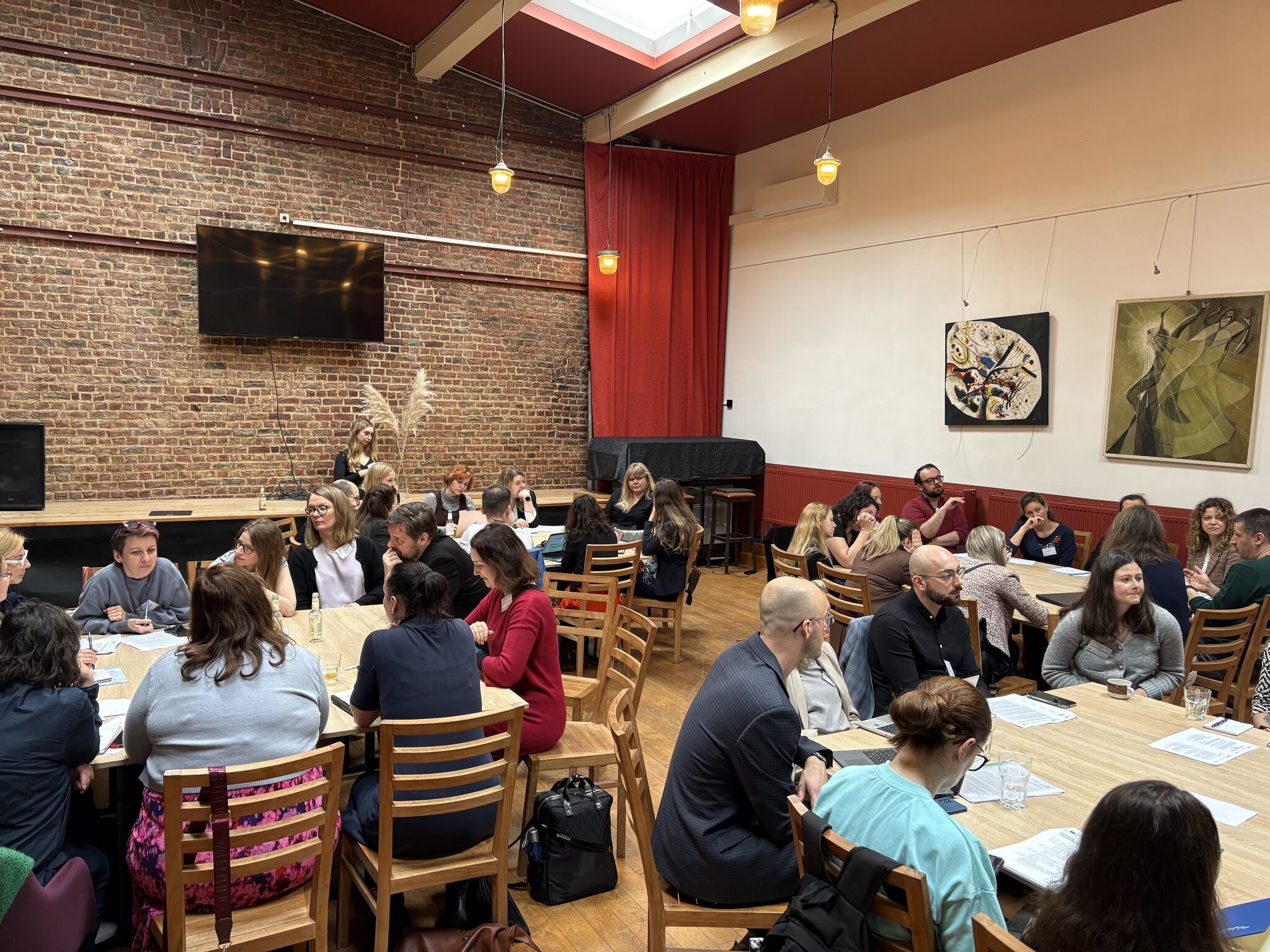
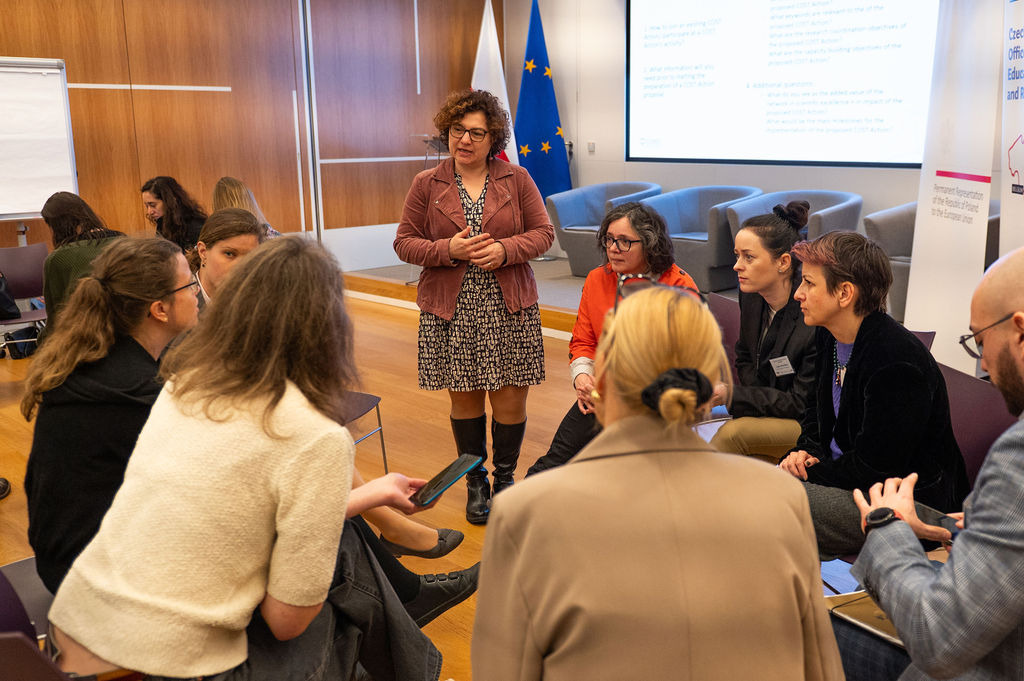
The third day, hosted at the Permanent Representation of the Republic of Poland to the European Union, focused on building competences and strengthening the professional environment of research managers. Participants had the opportunity to look at initiatives supporting the development of this profession in Europe, including the activities of EARMA and national associations, and to take part in sessions devoted to professional visibility, networking, and the development of communication, negotiation and leadership skills.
The programme clearly showed that effective project management is not only about knowing the rules and procedures, but also about the ability to cooperate, build relationships and operate in a complex international environment. Speakers on the third day included Teodora Konach from EARMA, Lenka Chvojkova from CZARMA, Katalin Alfoldi from COST, Mikołaj Buchwald from the Poznań Supercomputing and Networking Center, while the closing workshop was led by Charlotte Van Velthoven-Geerdink from Charly Speaks.
Summary
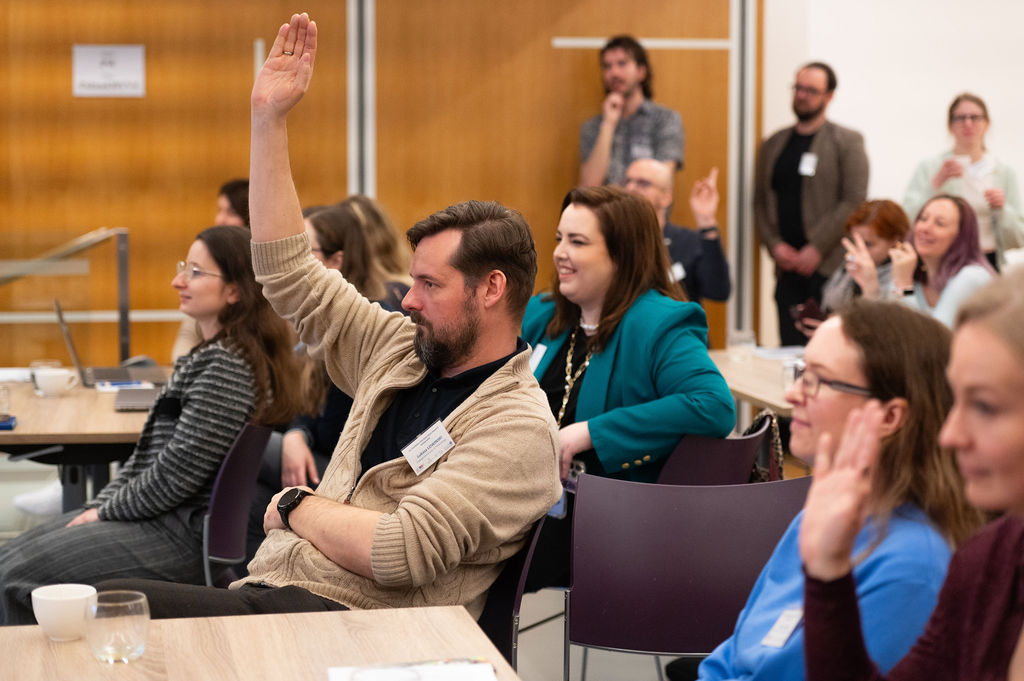
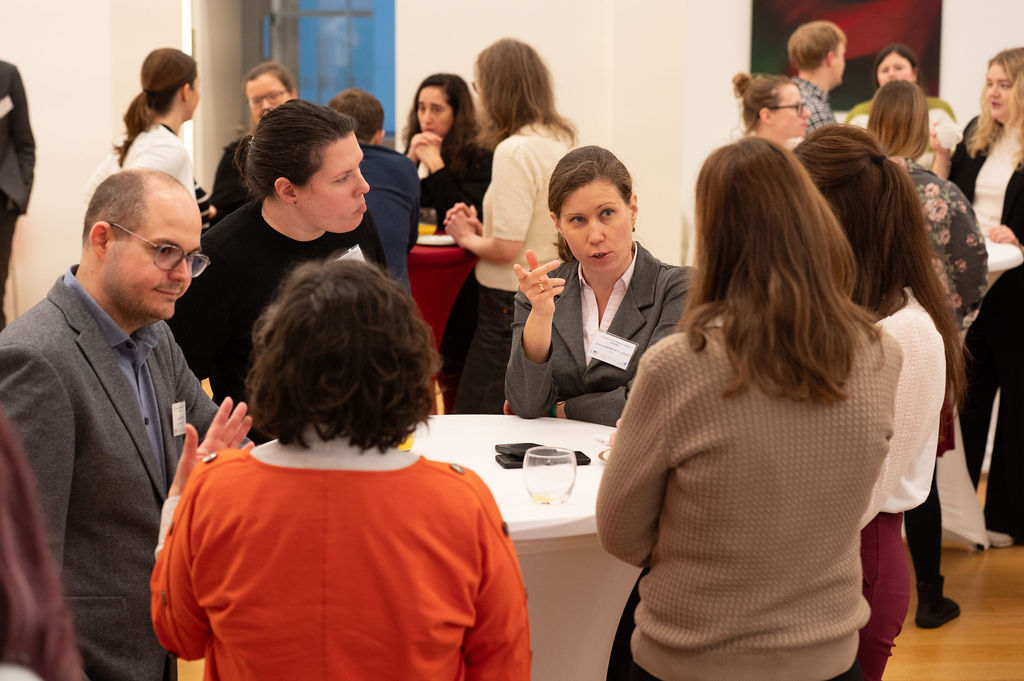
This year’s edition once again created a space not only for gaining knowledge, but also for discussion, exchange of experience and building relationships among people who are involved in the implementation of European projects in their institutions on a daily basis. It is precisely this practical and community-based dimension of the V4 Training that has made it an important point in the professional development calendar of research managers from our region for many years. This edition, a total of 37 participants took part in the training, including 7 each from Poland, the Czech Republic, Slovakia and Hungary, as well as 9 invited through the IGLO RTD network (from Belgium, Estonia, Finland, the Netherlands, Norway and the United Kingdom).
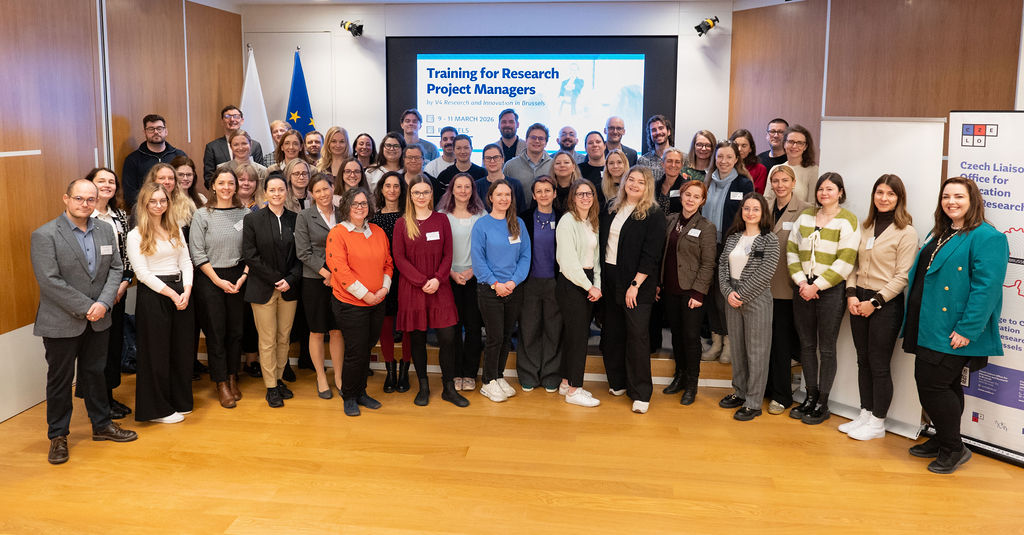
The training is organised as a long-term joint initiative of the Czech Liaison Office for Research and Education (CZELO), the Hungarian National Research, Development and Innovation Office (NRDIO), the Polish Science Contact Agency in Brussels (PolSCA) and the Slovak Liaison Office for Research and Development (SLORD).
We would like to thank all participants for their active participation while looking forward to the next edition of the training planned for autumn this year.
Full agenda of the event available HERE.


