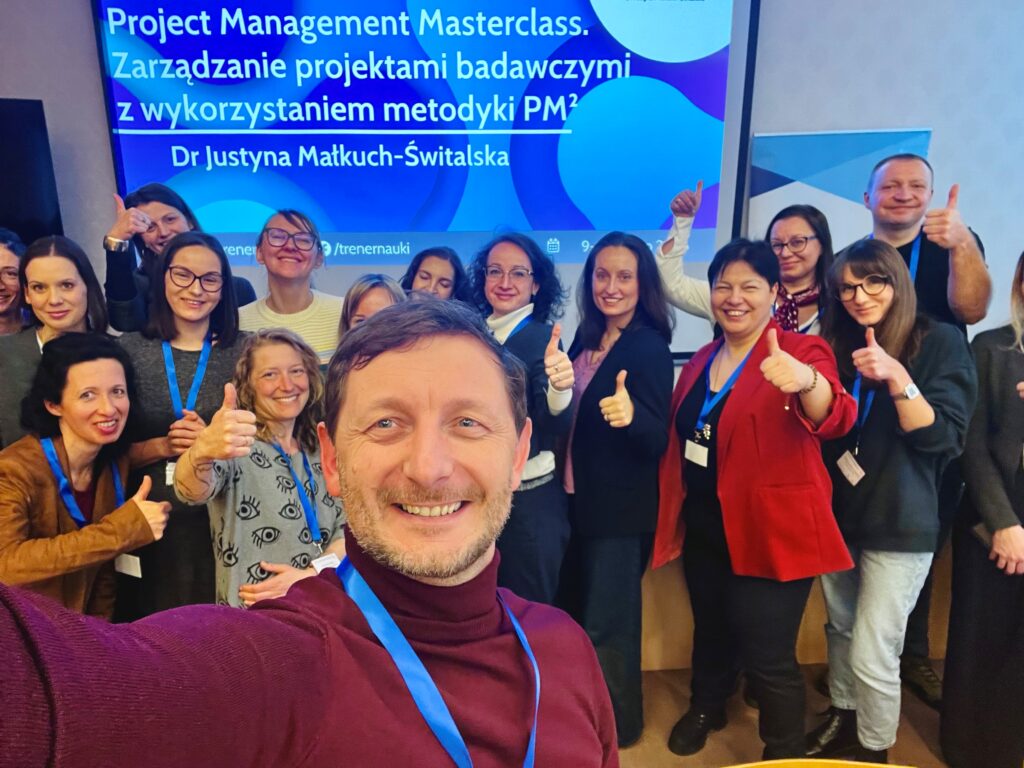
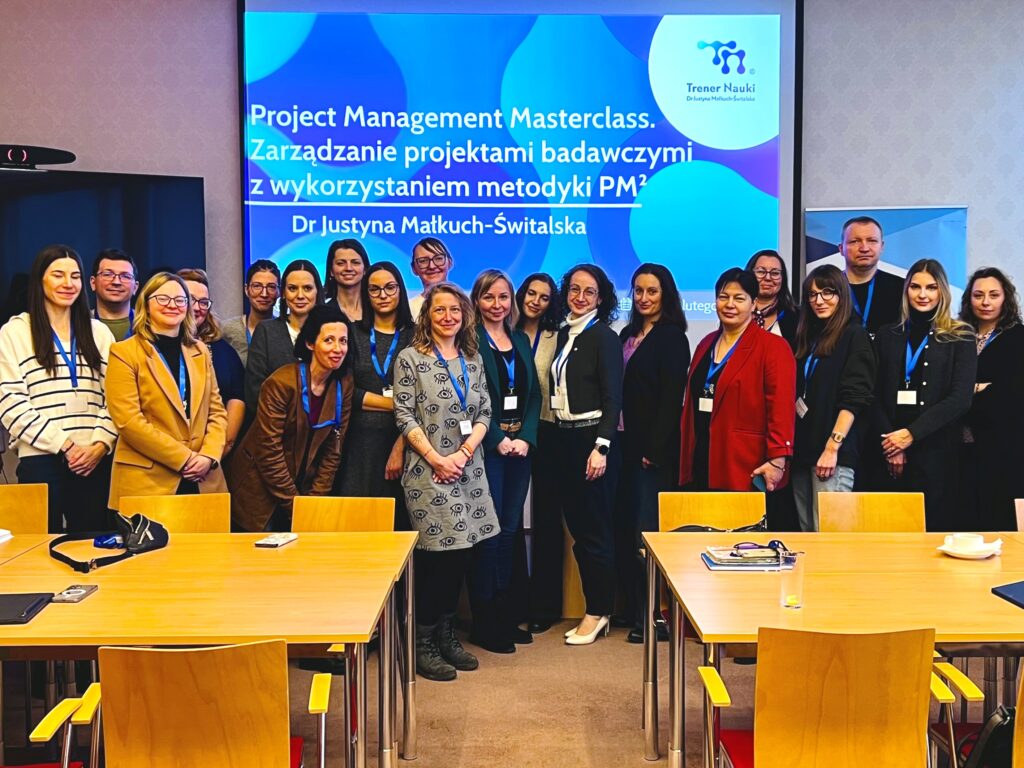
The second edition of the PolSCA Masterclass workshops was a two-day, intensive programme devoted to the practical aspects of professional management of projects funded through European funds. Participants explored the PM2 methodology, developed by the European Commission specifically for EU-funded projects, with a particular focus on the specifics of research projects. Attention centred on the key components of effective managementand the workshops followed an interactive format, based on hands-on work with real-life case studies and simulation exercises.
Objective and assumptions
The main objective of the second edition was not only to organise knowledge, but above all to practise a comprehensive set of tools and techniques that support the transition from “we have an approved project” to “we have a project that has been successfully delivered and settled”. Participants worked on developing clearly defined roles and responsibilities within the project team, designing realistic and feasible action plans, effectively controlling risks and managing changes, and building a coherent communication narrative around project results – using the logic and language expected by the funding and monitoring bodies.
Programme delivery and working format
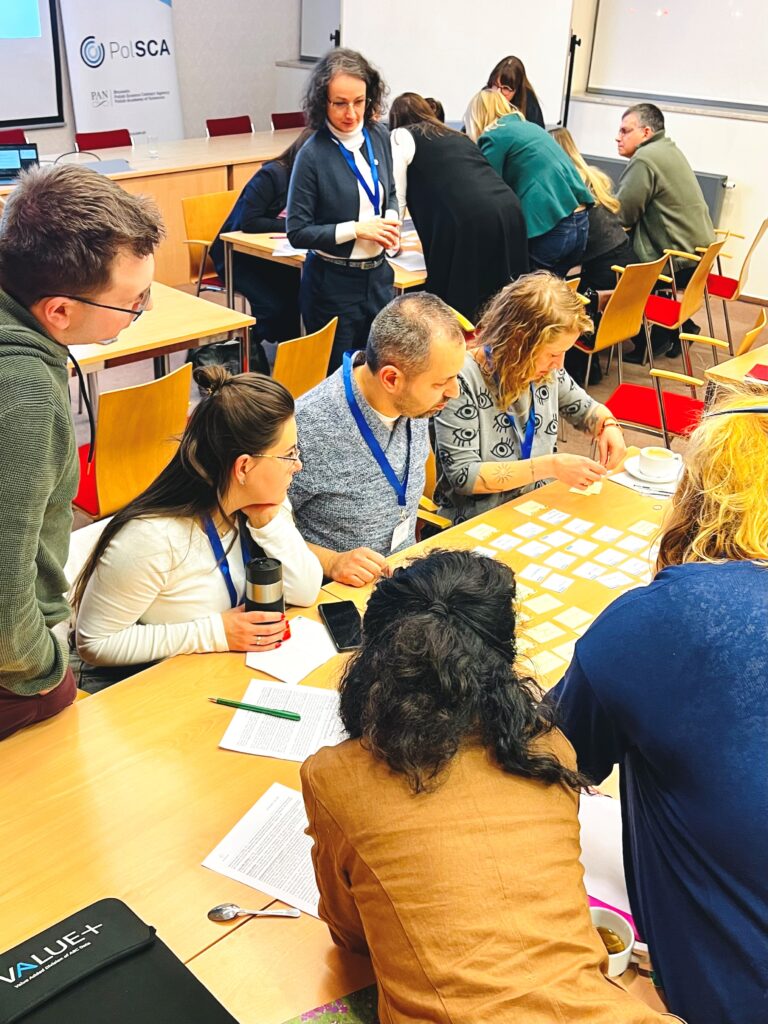
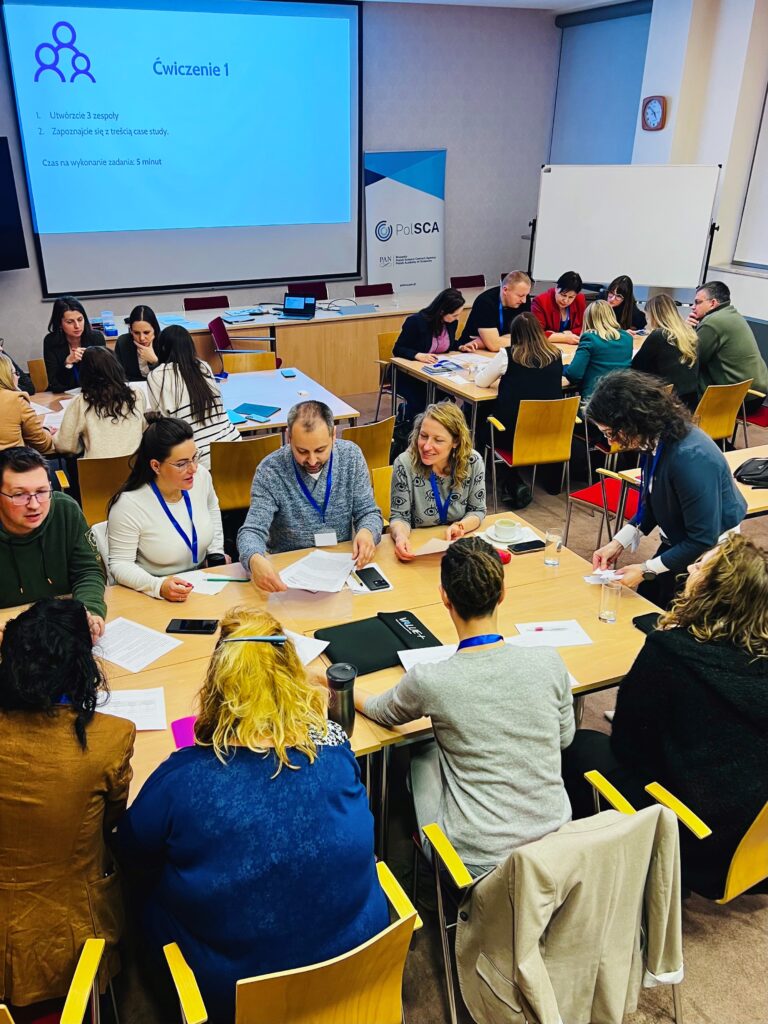
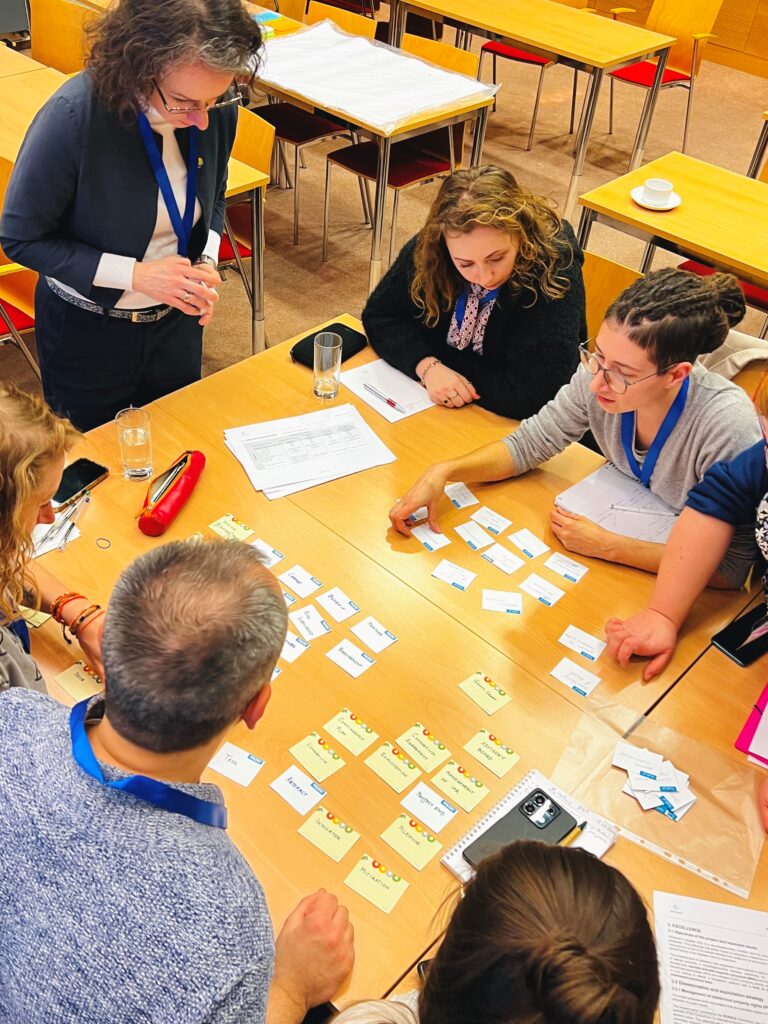
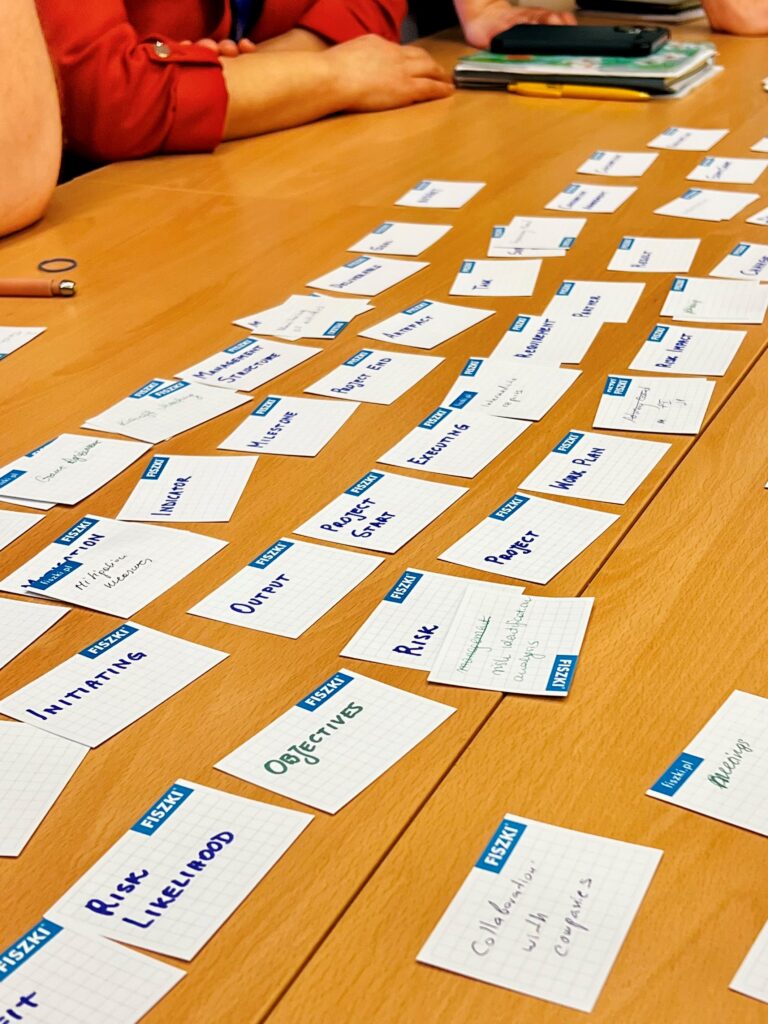
The workshops were designed as an intensive, practice-oriented learning experience, where theory met practice directly. Concise theoretical introductions to individual elements of the PM² methodology were interwoven with tasks carried out in working groups, in-depth analysis of case studies based on real projects, and practical exercises using tools that support day-to-day project management. Participants worked through the entire process: from systematically organising roles and areas of responsibility, through developing a detailed action plan and an intervention logic leading to results, to making informed management decisions in situations of uncertainty, risk materialisation, or the need to introduce changes to the project. The programme was structured so that participants left the workshops with ready-to-use, practical solutions and tools that could be implemented immediately in their own projects.
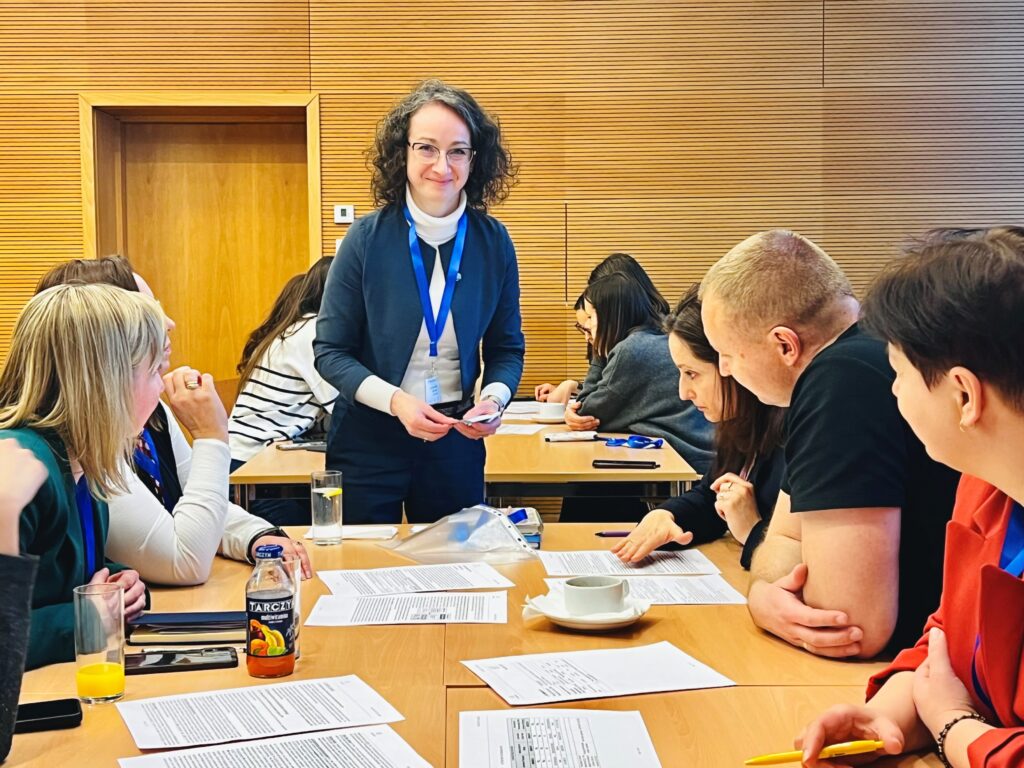
As in the first edition, the training was delivered by Justyna Małkuch-Świtalska, an experienced trainer and expert in European project management. Her practical approach, grounded in many years of experience in the evaluation and implementation of EU-funded projects, enabled participants not only to learn the theory of PM2, but above all to understand how to apply it effectively in daily project work. The interactive delivery style fostered active exchange of experience and helped build a community of practitioners.
HE Navigators network context
The second edition of PolSCA Masterclass forms part of a wider ecosystem of activities supporting the community of professionals working on European projects in the institutes of the Polish Academy of Sciences, in particular the Horizon Europe Navigators network. It is an important element of systematically strengthening management competences, as well as a platform for exchanging proven practices and experience in relation to Horizon Europe and other European research funding instruments.
Evaluation and next steps
In the near future, we will carry out a detailed analysis of the data collected through evaluation surveys from participants of the second edition. On this basis, we will prepare a concise summary of the most important takeaways and identify those thematic and competence areas which, in participants’ view, most strongly “call for” further deepening and development work. At the same time, we are already planning to launch further, more specialised training sessions in the areas consistently indicated by participants of both editions to date.
FThe PolSCA Masterclass format continues to attract significant interest from the institutes of the Polish Academy of Sciences. Across the two editions held so far, a total of 45 professionals, representing 22 PAS units:
- Maj Institute of Pharmacology, PAS
- Institute of Computer Science, PAS
- International Relations Office, PAS
- Instituteof Organic Chemistry, PAS
- The Henryk Niewodniczański Institute of Nuclear Physics, PAS
- Institute of Physical Chemistry, PAS
- Institute of Rural and Agricultural Development, PAS
- Excellence in Science Department PAS
- Tadeusz Manteuffel Institute of History, PAS
- Institute of Physics, PAS
- Institute of Slavic Studies, PAS
- Institute of Art, PAS
- Institute of Biochemistry and Biophysics, PAS
- Institute of Fluid-Flow Machinery, PAS
- Institute of Fundamental Technological Research, PAS
- Institute of Nature Conservation, PAS
- International Institute of Molecular and Cell Biology
- Mossakowski Medical Research Centre, PAS
- The Franciszek Górski Institute of Plant Physiology
- Institute of Philosophy and Sociology PAS
- Institute of Economics PAS
- Nencki Institute of Experimental Biology PAS
This growing community forms a valuable network for knowledge exchange and mutual support in day-to-day project work. Sincere thanks to all participants of both editions!
We will keep you informed about all upcoming activities, new editions of the workshops, and further opportunities for competence development – both on our website and via social media. We encourage you to follow our communication channels regularly!


