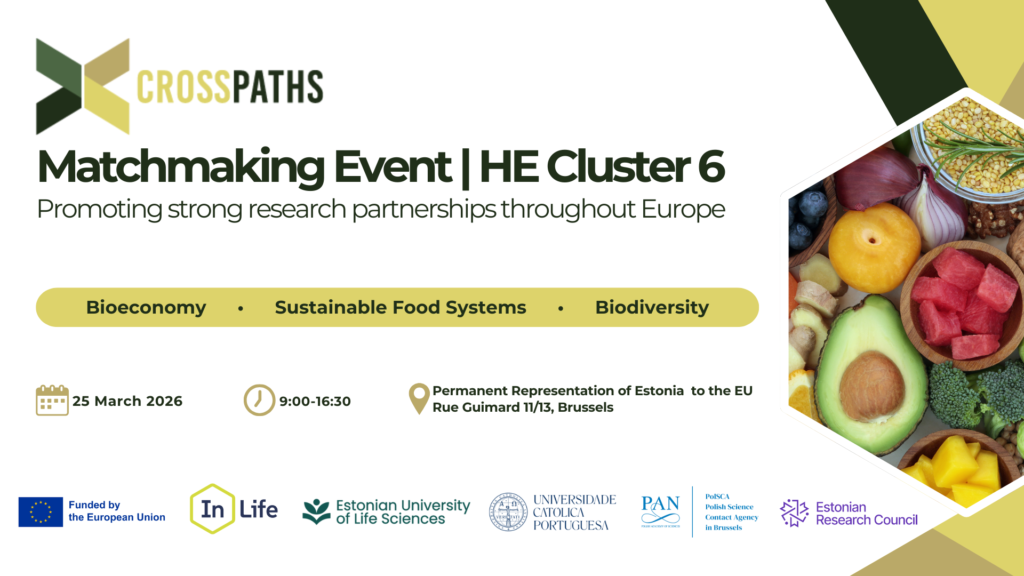
On 25 March 2026, the CROSSPATHS Matchmaking Event in Brussels brought together a diverse community of research and innovation stakeholders to explore collaboration opportunities under Horizon Europe Cluster 6. Combining policy insights with hands-on networking formats, the event created a dynamic platform for building future project consortia. Read the full summary below to discover key takeaways, insights, and outcomes.
The event gathered around 65 participants from across Europe, including Estonia, Poland, Portugal, the Netherlands, Czechia, France, Germany, Italy, Slovakia and Serbia, reflecting both geographical diversity and a broad spectrum of expertise across research and innovation ecosystems. Organised by the CROSSPATHS consortium (led by the InLife Institute of the Polish Academy of Sciences) in cooperation with Polish Science Contact Agency (PolSCA PAS) and Estonian Research Council (ETAG), and supported by Brussels-based partners such as CZELO, CNRS, CNR, KOWI and SLORD, the event was designed as a practical platform for building consortia for upcoming Horizon Europe Cluster 6 calls.
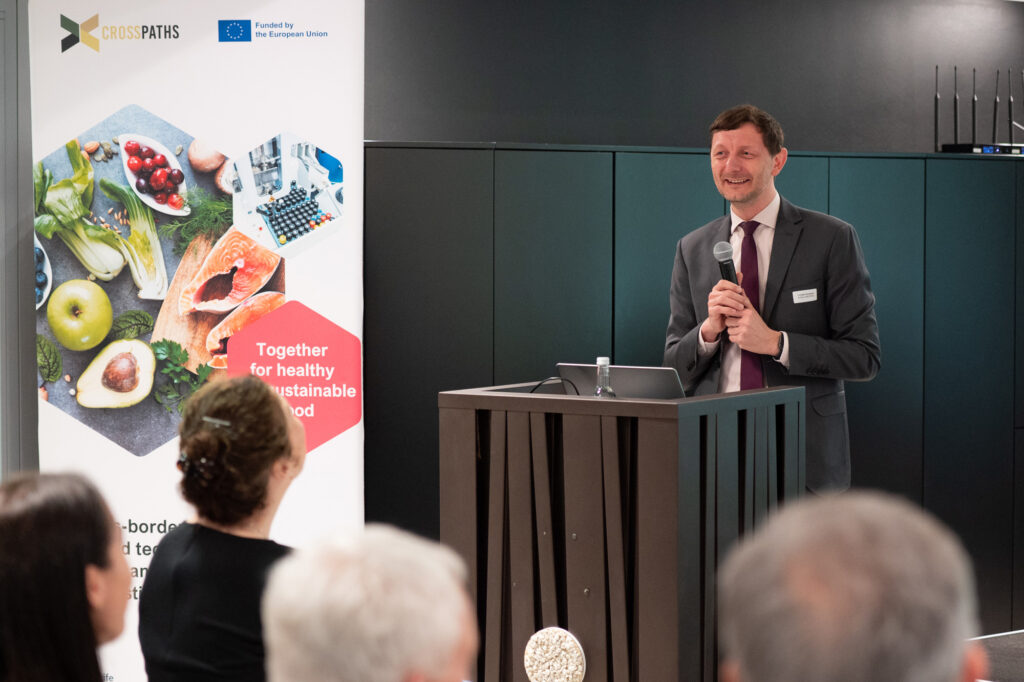
While opening the event – Dr Tomasz Poprawka, Director of PolSCA PAS Office in Brussels reflected:
“Together we have managed to spin out a truly dynamic and ambitious event, bringing together a diverse group of stakeholders to exchange ideas and build collaborations around Cluster 6 calls in the 2026–2027 Work Programme and beyond”
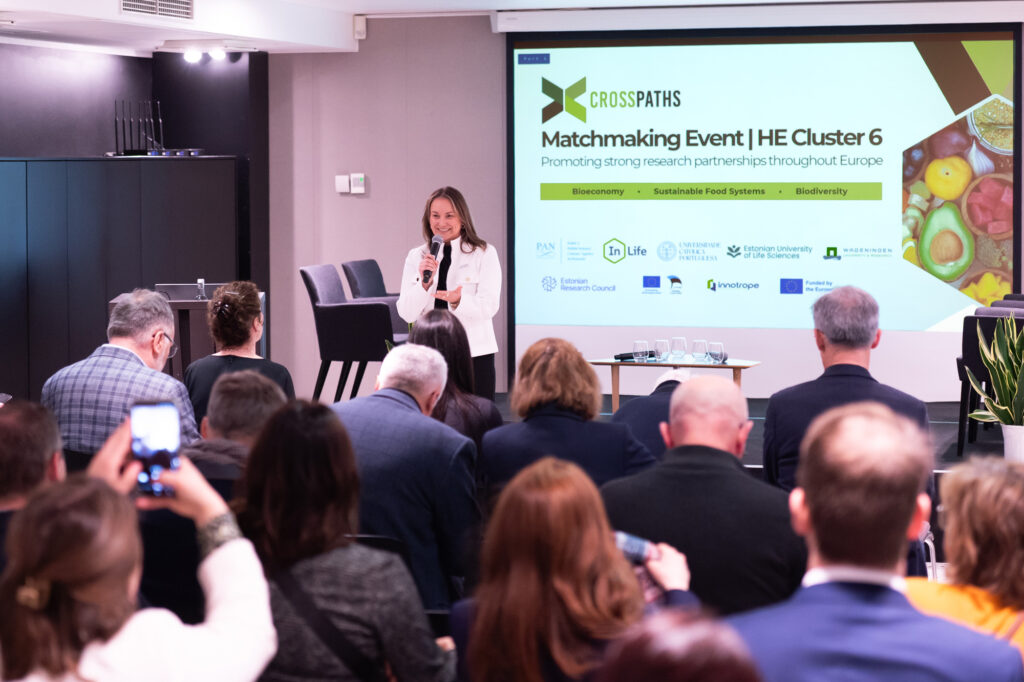
Bringing the Community Together: Setting the Scene for Collaboration
The programme followed a carefully structured flow, combining policy context with hands-on interaction. It began with plenary sessions setting the strategic scene, followed by three parallel pitching sessions, where participants presented their project ideas and expertise. The afternoon focused on interactive matchmaking formats, including roundtable discussions and pre-arranged bilateral meetings, enabling participants to move from initial ideas to concrete collaboration opportunities.
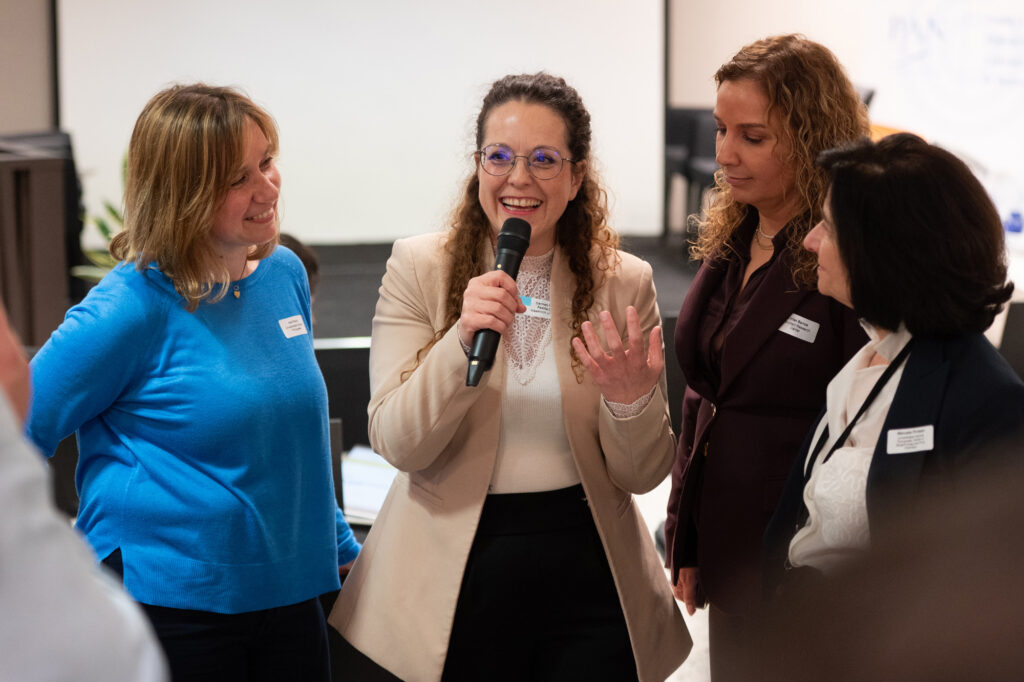
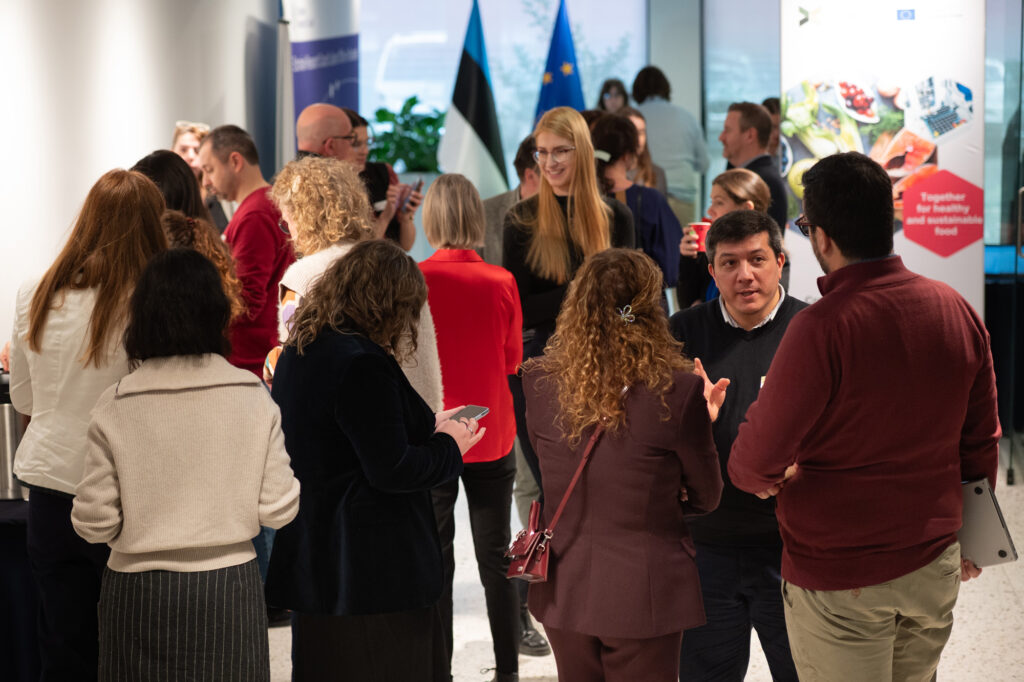
Beyond its immediate matchmaking function, the event reflected a broader ambition: to strengthen Europe’s capacity to respond collectively to pressing societal and environmental challenges addressed under Horizon Europe Cluster 6. The discussions emphasised that no single institution or country can address these challenges alone. Instead, progress depends on strong, diverse and well-connected networks capable of combining complementary expertise across borders. In this context, diversity was not only visible in the composition of participants, but also recognised as a strategic asset driving innovation and excellence.
Equally important was the forward-looking dimension of the event. Rather than being an isolated networking opportunity, it was conceived as part of a longer collaboration pathway, encouraging participants to continue exchanges, refine ideas and develop concrete proposals beyond the event itself. In this sense, the matchmaking format acted as a catalyst for lasting partnerships within the European Research Area.
Among all participants we welcomed 9 individuals representing Polish R&I sector:
- Karolina Błaszczyk, Bydgoszcz University of Science and Technology
- Magdalena Frąc, Institute of Agrophysics, PAS
- Agnieszka Klembalska, Institute of Plant Protection – National Research Institute
- Vitaliy Krupin, Institute of Rural and Agricultural Development, PAS
- Karolina Mazur, W. Szafer Institute of Botany, PAS
- Anna Ogrodowczyk, InLife Institute of Animal Reproduction and Food Research, PAS
- Piotr Oleśkowicz-Popiel, Poznan University of Technology
- Barbara Sowińska-Świerkosz, University of Life Sciences in Lublin
- Dagmara Złotkowska, InLife Institute of Animal Reproduction and Food Research, PAS
CROSSPATHS as a Model: From Isolation to Synergy
Presented by Prof. Mariusz Piskuła (InLife Institute, Polish Academy of Sciences, CROSSPATHS Coordinator), the project offered a compelling example of how widening countries can move from fragmented and locally anchored research activities towards stronger integration into European research networks.
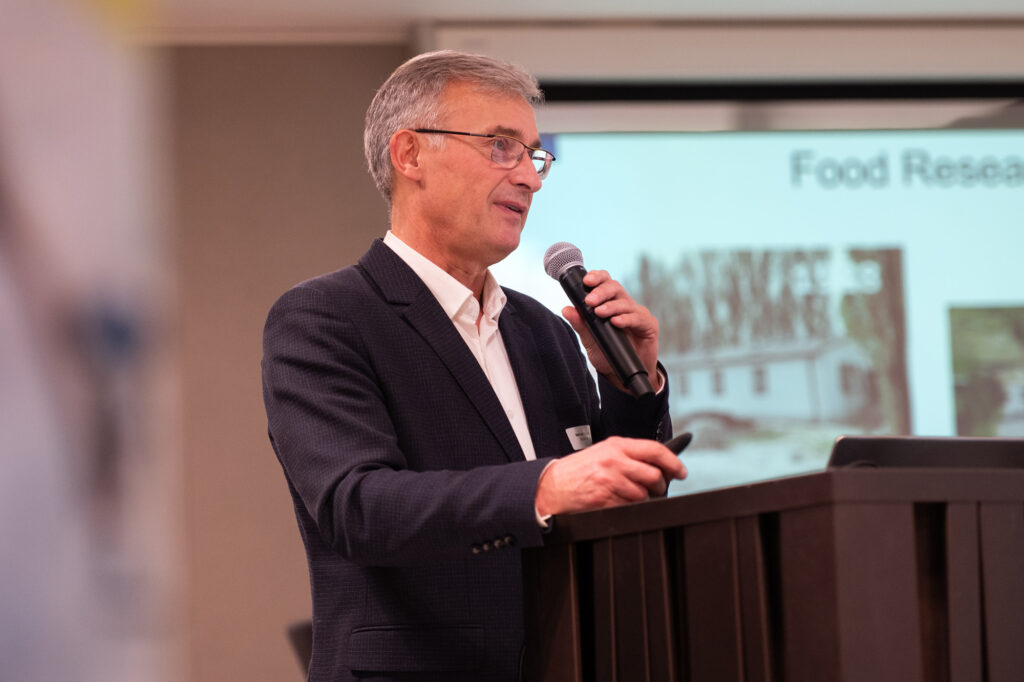
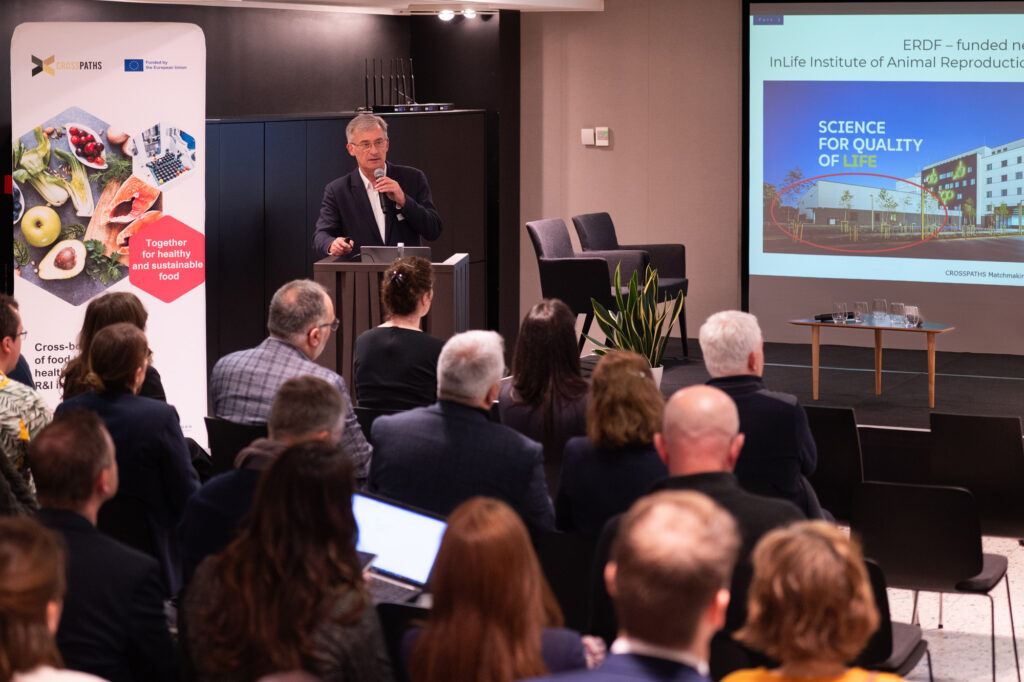
The presentation highlighted common structural challenges faced by many institutions in widening countries, including limited international visibility, insufficient links to leading European networks and low participation in competitive consortia. CROSSPATHS addresses these challenges through a systemic approach focused on building “pathways to synergies”—linking regional investments (such as ERDF-funded infrastructures) with Horizon Europe opportunities and fostering cross-border collaboration. Importantly, CROSSPATHS demonstrated that widening is not about lowering standards – it is about enabling excellence. By combining capacity building, networking and strategic internationalisation, the project demonstrates how targeted actions can transform existing assets into active contributors to European-level cooperation.
Aligning with Policy: The Strategic Context of Cluster 6
Understanding the policy framework of Horizon Europe is essential for anyone aiming to participate successfully. Cluster 6 is deeply embedded in the European Union’s strategic priorities, particularly those related to sustainability, climate action, and food systems. The allocation of a significant portion of the budget to biodiversity, for example, reflects a strong political commitment to environmental protection.Marialuisa Dal Poz (European Commission, DG AGRI) provided a comprehensive overview of such policy landscape shaping Horizon Europe Cluster 6, with a particular focus on the Work Programme 2026–2027.
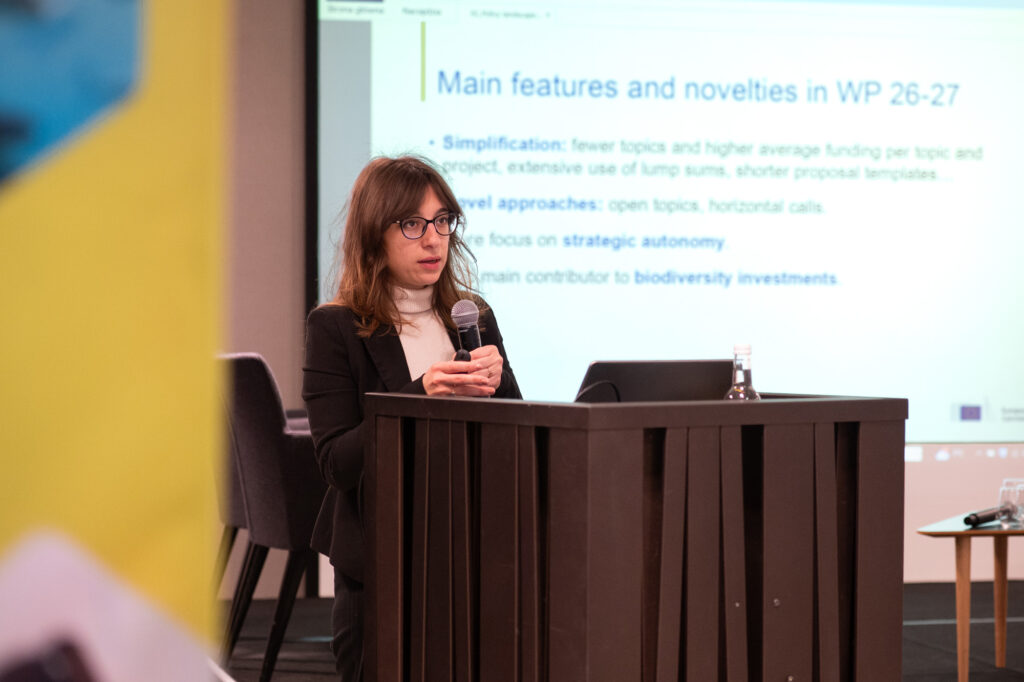
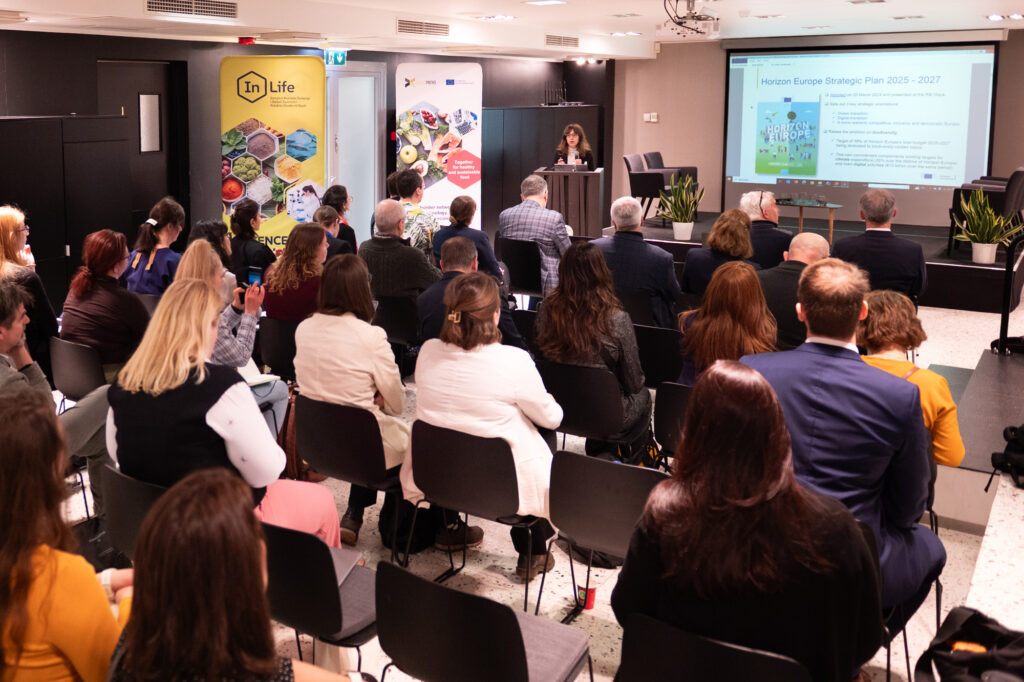
Policy alignment has direct implications for proposal development. Projects must go beyond scientific excellence and clearly demonstrate their contribution to EU policy objectives. This requires a shift from idea-driven proposals to solutions addressing defined policy challenges. The structure of the work programme supports this approach, with fewer topics, larger budgets and simplified funding schemes encouraging more ambitious projects. At the same time, elements such as multi-actor consortia and the integration of social sciences highlight the need for holistic solutions. For participants, success depends on navigating both scientific and policy dimensions. Strong proposals must combine technical excellence with a clear narrative linking activities to expected impacts and European added value.
Looking Ahead: FP10 and the Shifting Landscape of European Funding
Peter Jongebloed (Wageningen University & Research) offered a forward-looking perspective on the next Framework Programme (FP10) and its potential implications for the research community.
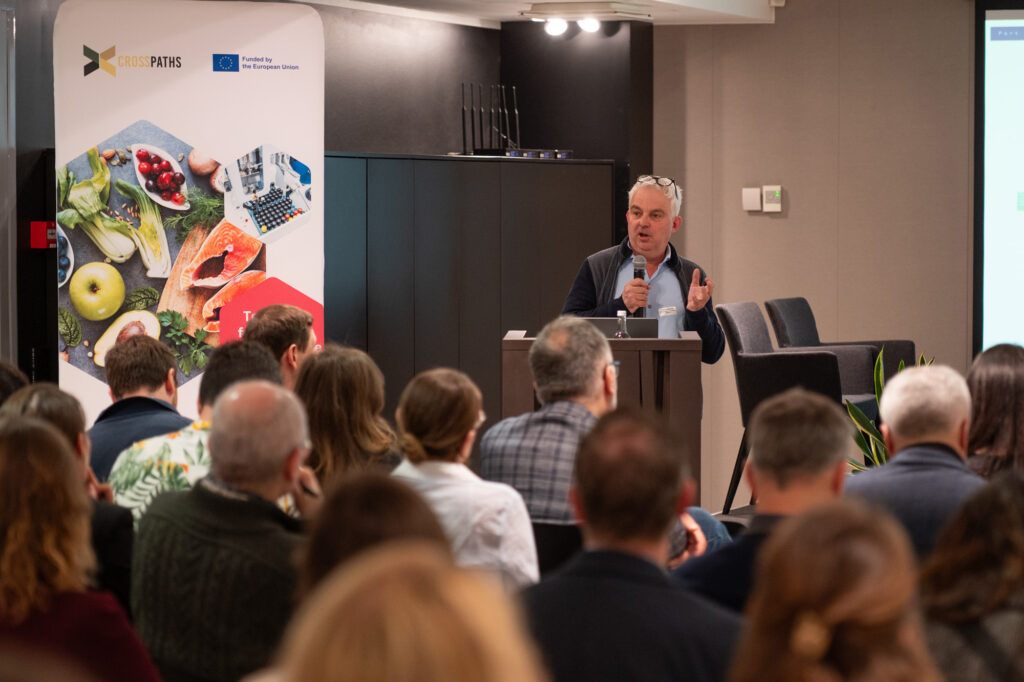
The discussion pointed to a likely evolution of EU funding towards stronger integration with competitiveness and industrial policy, including closer links between Horizon Europe and the proposed European Competitiveness Fund. While the overall budget for research and innovation is expected to increase, there are also indications of a shift in priorities, with greater emphasis on technological sovereignty, economic impact and strategic autonomy. At the same time, the session raised important questions for the community, including the positioning of food, bioeconomy and agriculture within future programme structures, and the balance between bottom-up research and more directed, policy-driven approaches.
WIDERA and Institutional Transformation: Beyond Project Funding
The WIDERA programme represents a critical component of Horizon Europe, aimed at addressing structural disparities within the European Research Area. Its evolution reflects a shift from project-based support to systemic transformation. Adeline Kroll (European Commission, DG RTD) focused on the role of the WIDERA programme in strengthening research and innovation systems across Europe, particularly in widening countries. Her presentation emphasised that WIDERA goes far beyond supporting individual projects. Instead, it aims to drive structural transformation of research systems, including improving institutional capacities, fostering talent circulation and enhancing participation in Horizon Europe
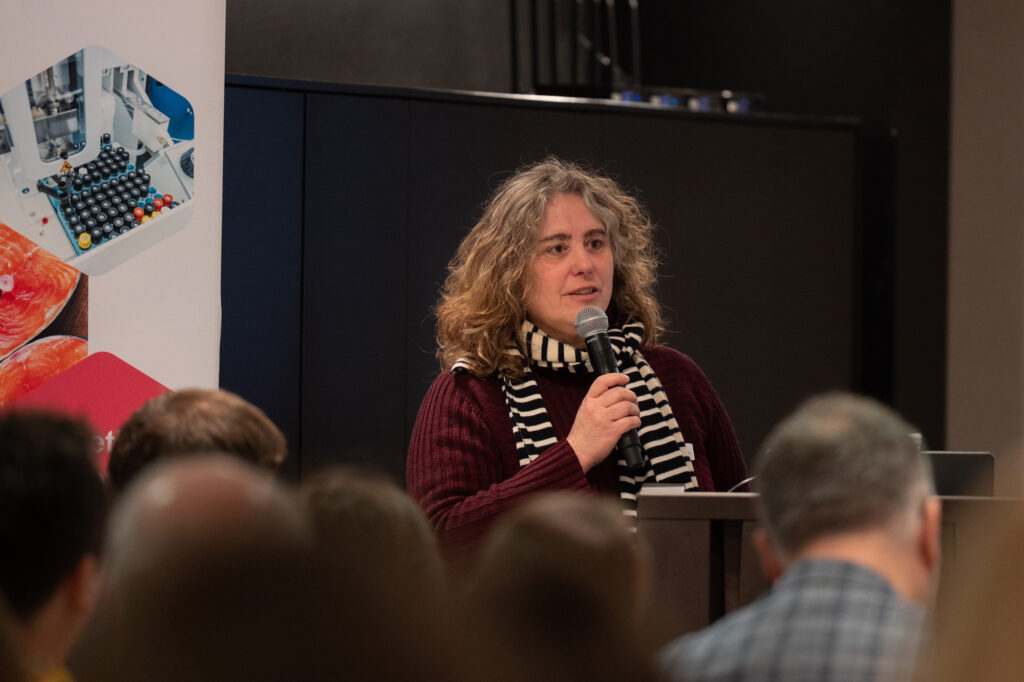
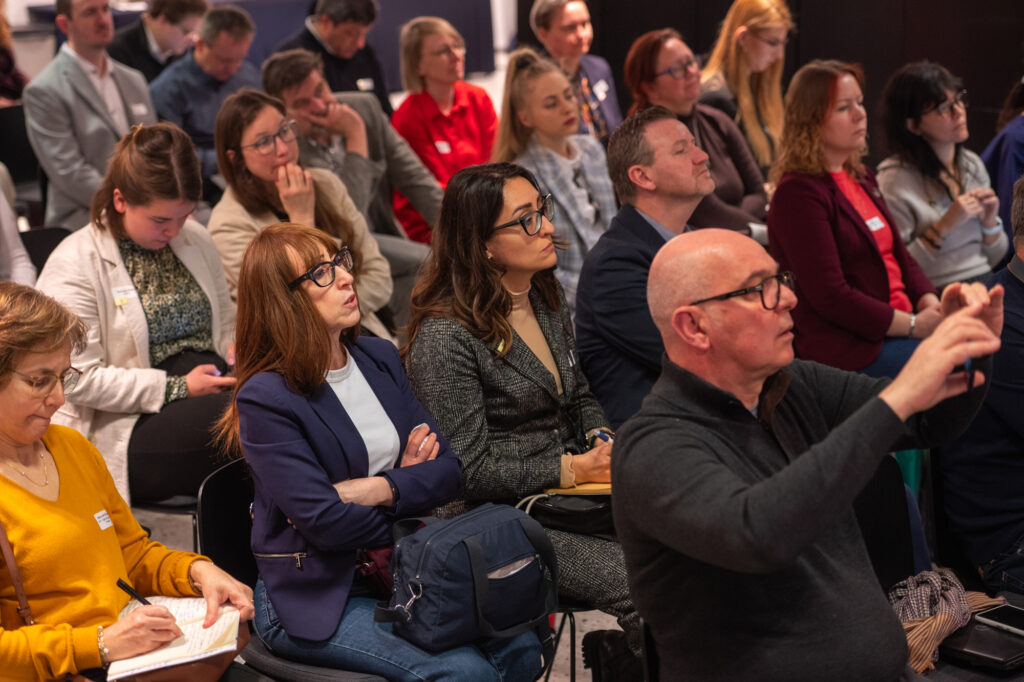
Key instruments under the 2026–2027 Work Programme support activities such as capacity building in research management, institutional reforms, networking and long-term collaboration, all aligned with the broader objectives of the European Research Area. This systemic perspective highlights the importance of strengthening not only individual proposals, but also the underlying ecosystems that enable successful participation.
Inside the Black Box: Practical Lessons from Experienced Practitioners
The panel discussion on successful grant applications provided a valuable bridge between policy context and practical implementation. Bringing together experienced practitioners from the CROSSPATHS ecosystem, the session offered insider perspectives on what makes Horizon Europe proposals competitive. Speakers shared concrete experiences related to consortium building, proposal structuring and aligning project ideas with call expectations, as well as common pitfalls to avoid. Particular attention was given to the importance of early partner engagement, clear role distribution and strong impact pathways, which are increasingly critical in the evaluation process.
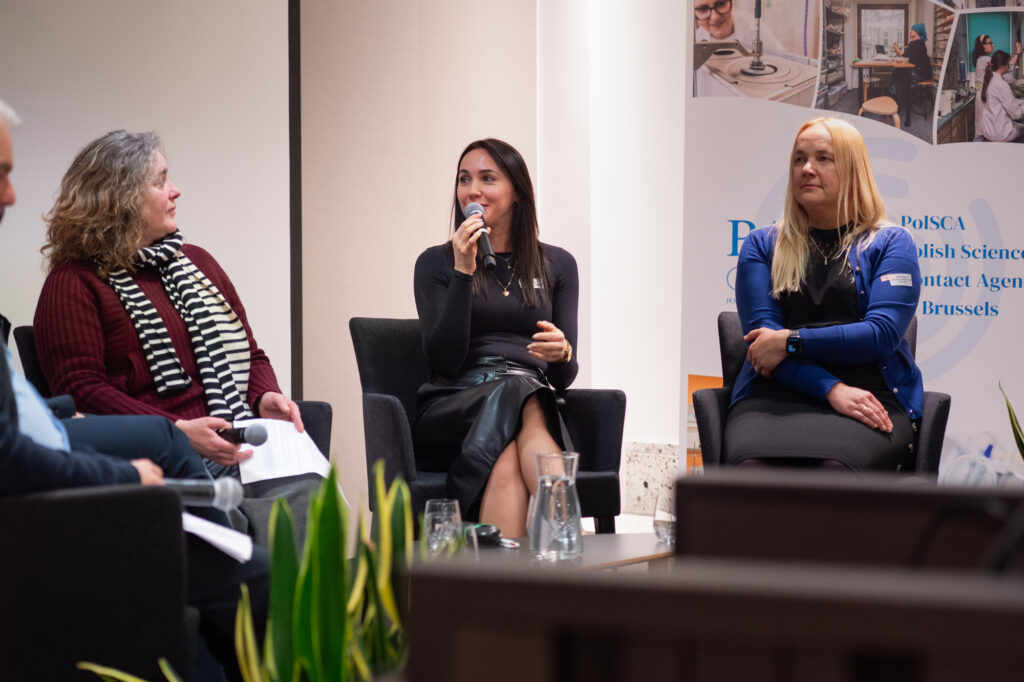
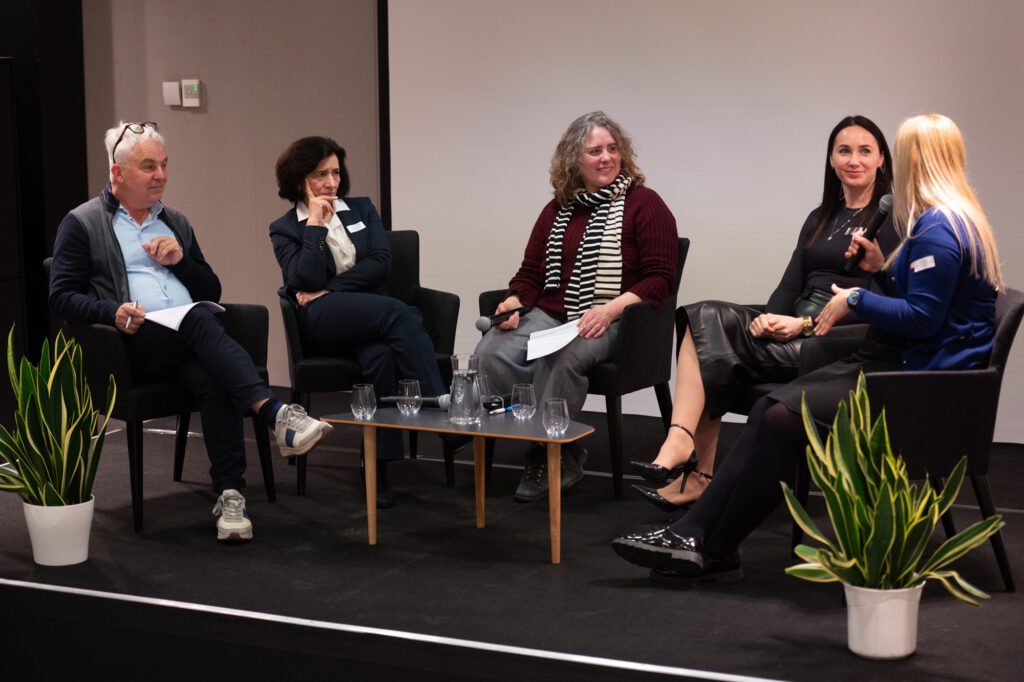
By demystifying elements of the proposal process, the session helped participants better navigate what is often perceived as a “black box” of Horizon Europe applications, turning abstract requirements into actionable guidance.
Pitching Sessions: Showcasing Ideas and Building Connections
A central and highly dynamic component of the event were the pitching sessions, organised in three parallel thematic tracks aligned with Horizon Europe Cluster 6 priorities: bioeconomy and circular sectors, food systems, and biodiversity. In total, over 30 participants took the floor to present their project ideas, expertise and collaboration needs. These short, focused presentations created a fast-paced environment where participants could quickly identify potential synergies, complementary competences and shared interests.
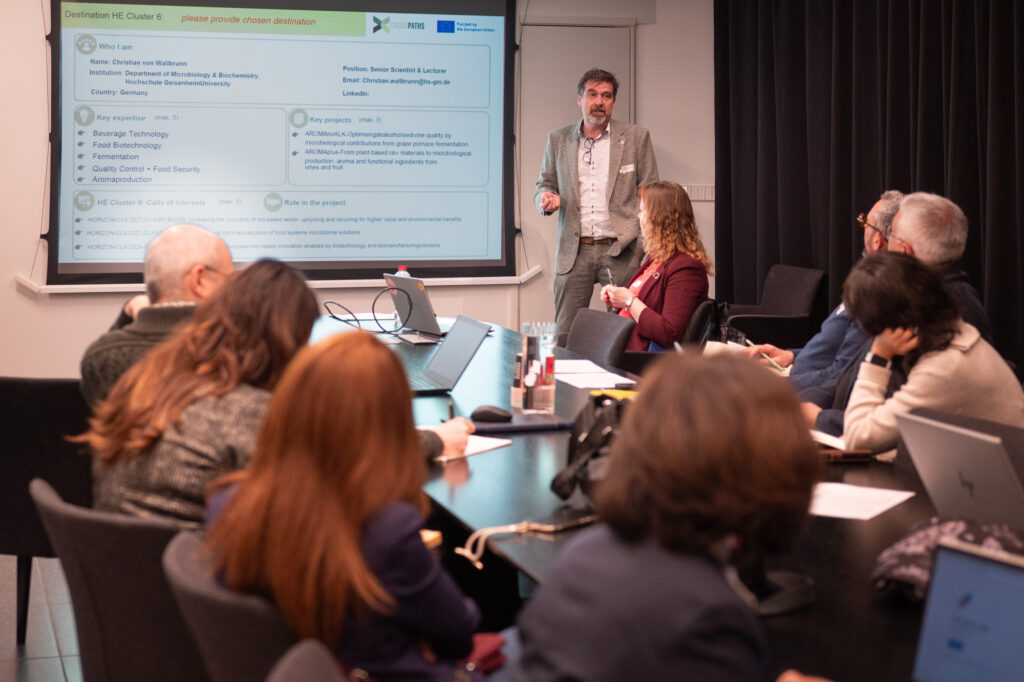
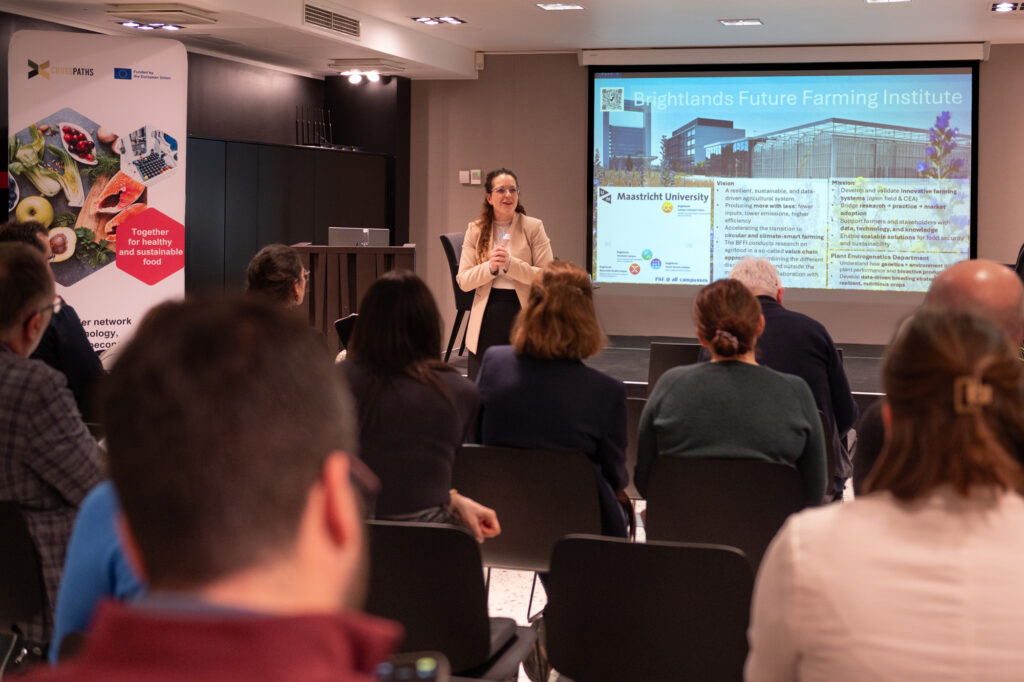
Beyond simply presenting ideas, the pitching sessions played a crucial role in activating the matchmaking process. They allowed participants to position themselves within emerging consortia, signal their interest in specific topics and initiate follow-up discussions. In this sense, pitching acted as a bridge between inspiration and concrete collaboration, helping to transform individual concepts into the foundations of future project proposals.
From Idea to Impact: Proposal Development and Matchmaking in Practice
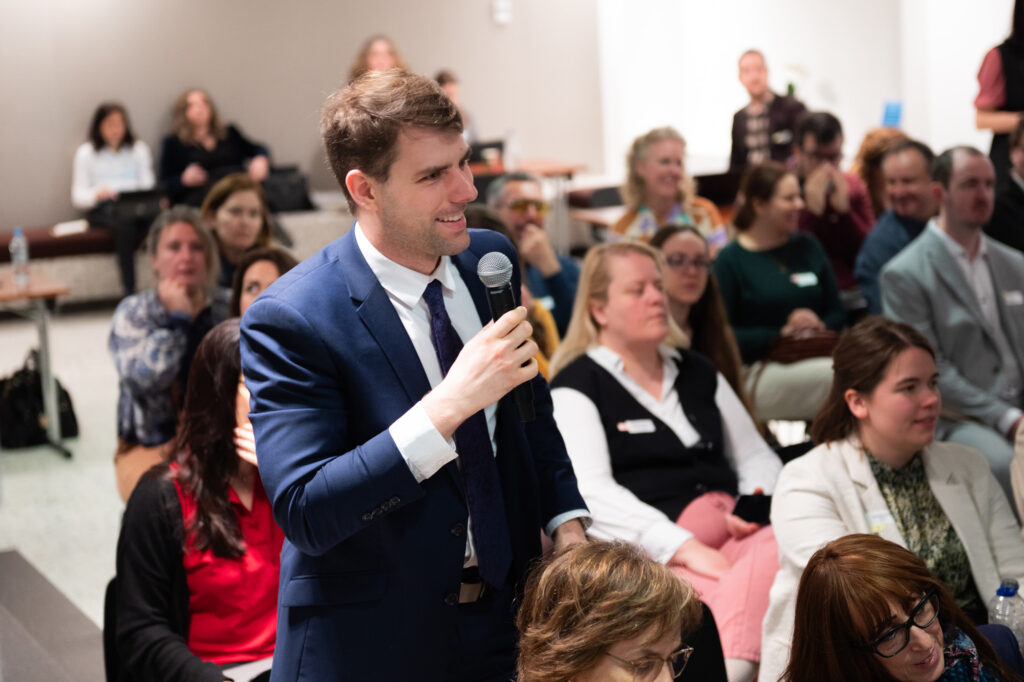
Building on the ideas presented during the pitching sessions, the afternoon programme focused on turning initial concepts into concrete collaboration opportunities. Participants engaged in structured matchmaking activities, including 4 parallel roundtable discussions and dedicated 1-to-1 meetings, designed to facilitate targeted exchanges between potential partners. Ahead of the event, participants arranged nearly 35 bilateral meetings, ensuring that discussions could go beyond general networking and focus on specific project ideas, roles within consortia and next steps.
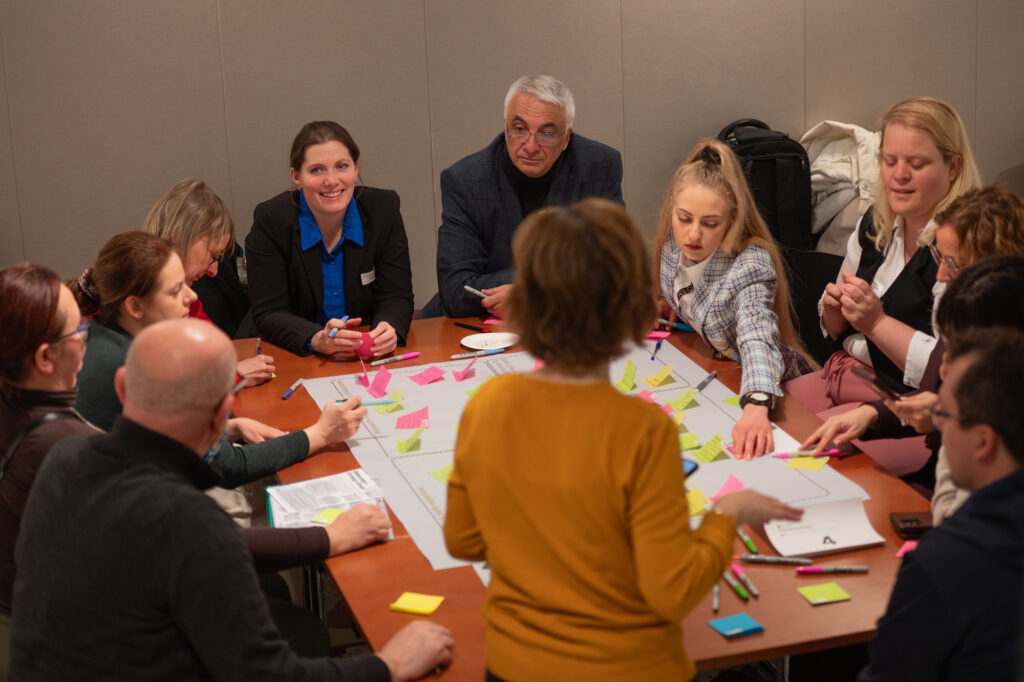
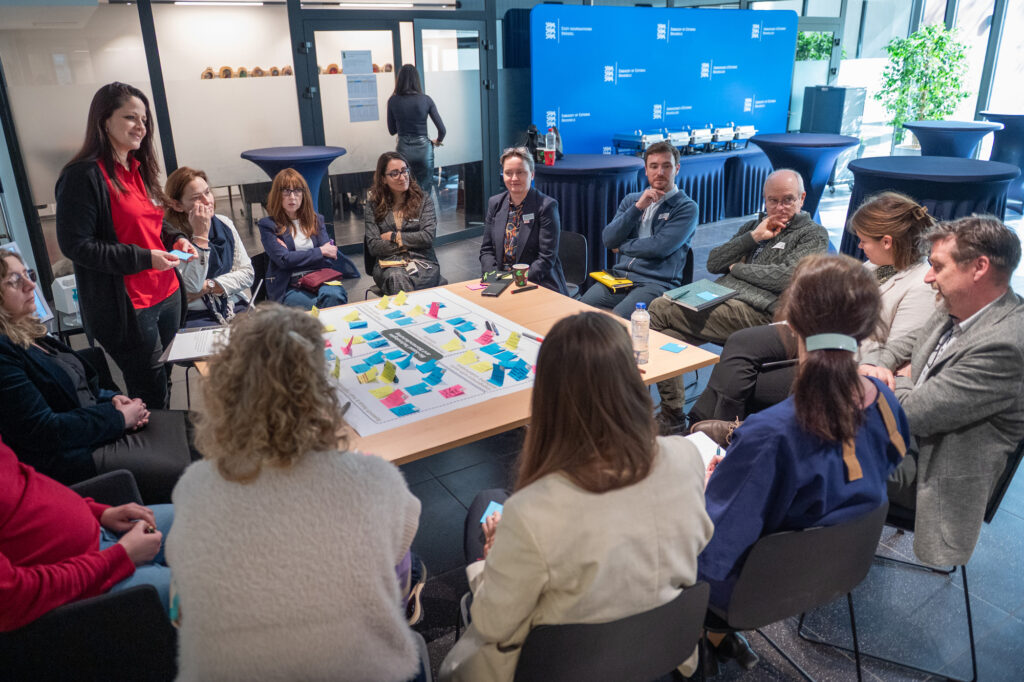
These interactions allowed participants to explore not only thematic alignment, but also practical aspects of collaboration, such as consortium composition, leadership roles, and contribution to expected impacts. The format encouraged a shift from informal exchanges to goal-oriented discussions, supporting the early stages of proposal development. At the same time, the sessions highlighted the importance of translating ideas into well-structured project concepts, combining scientific excellence with strategic positioning. Participants were encouraged to think in terms of impact pathways, complementarity of partners and alignment with call requirements – key elements of successful Horizon Europe proposals.
Together, these activities demonstrated how effective matchmaking can accelerate the transition from idea to impact, laying the groundwork for competitive and well-balanced project consortia.
Conclusion
The CROSSPATHS Matchmaking Event demonstrated how combining policy insight, practical guidance and structured networking can effectively support consortium building in Horizon Europe. By bringing together a diverse community of researchers, research managers and policy actors, the event not only facilitated new connections but also laid the groundwork for future collaborative projects under Cluster 6.
A detailed summary prepared by the CROSSPATHS project is available HERE.


