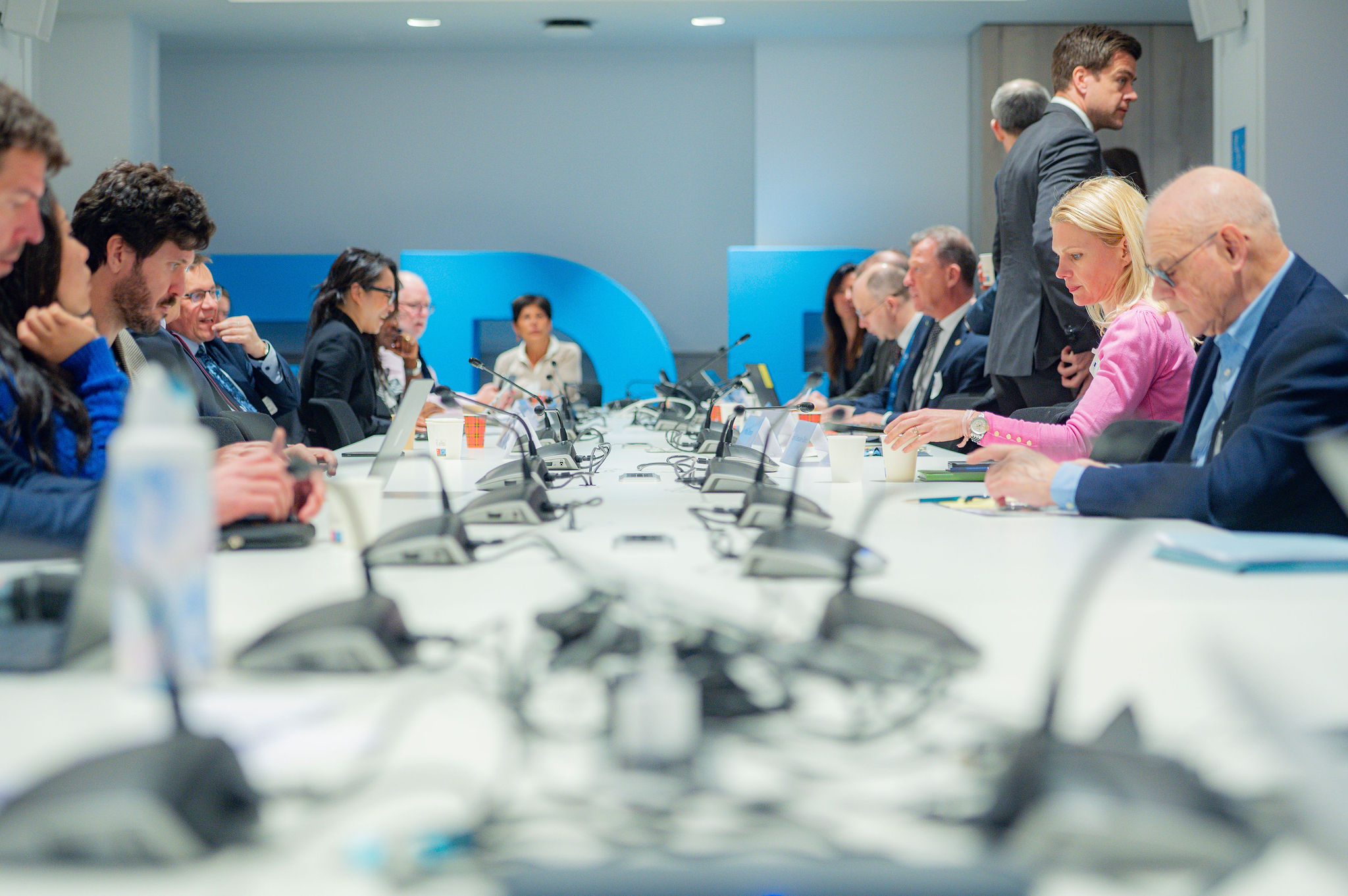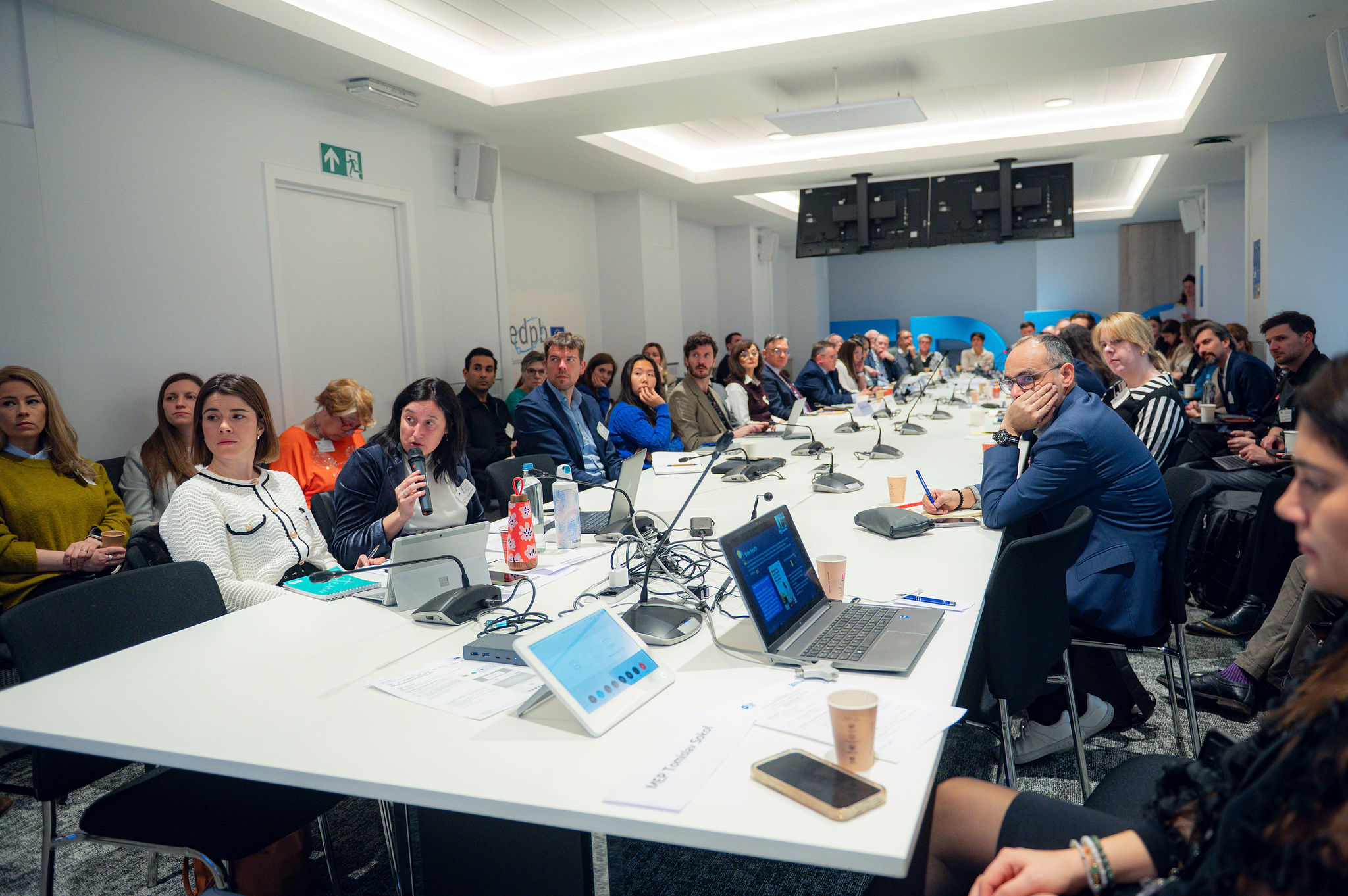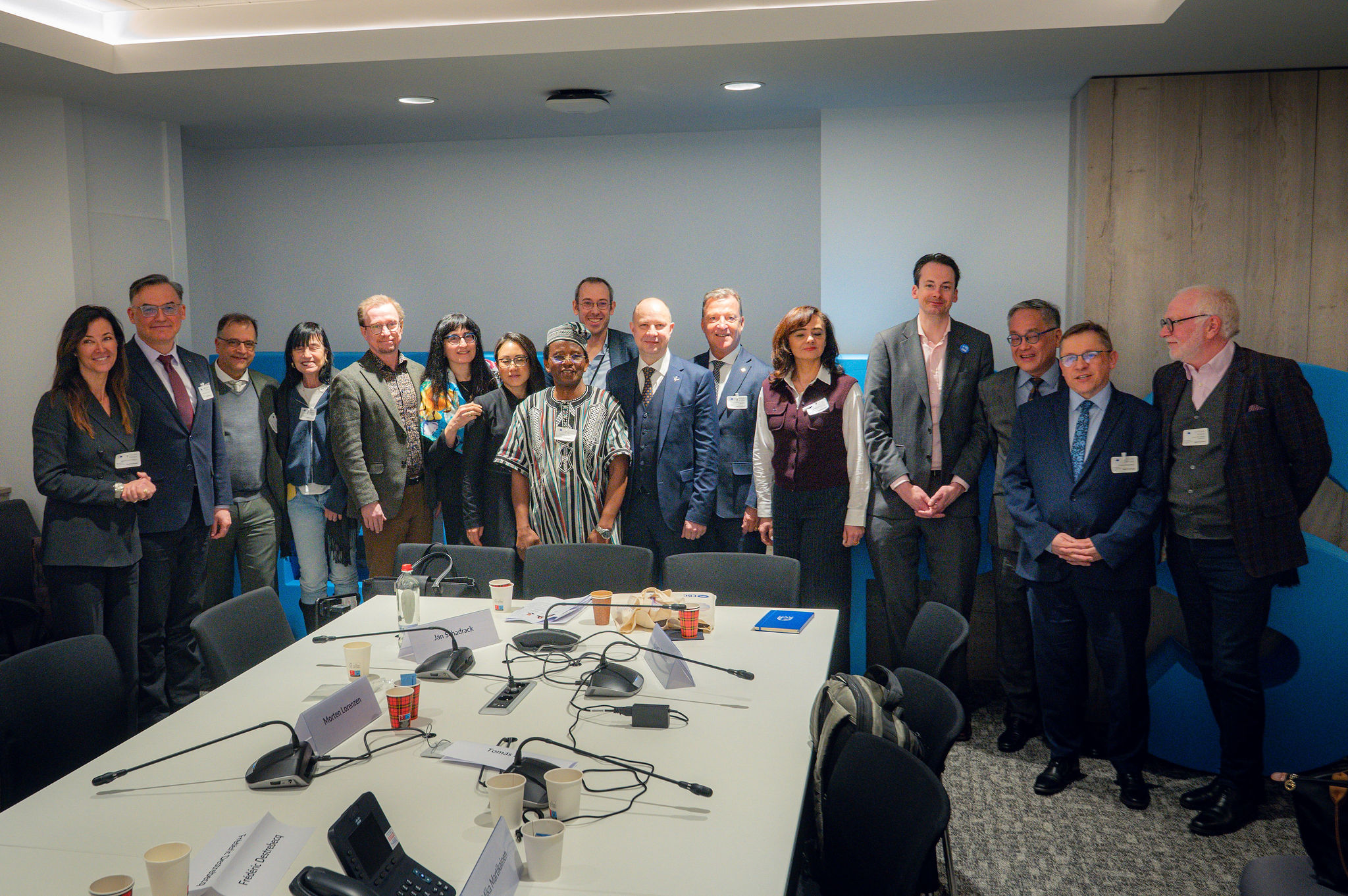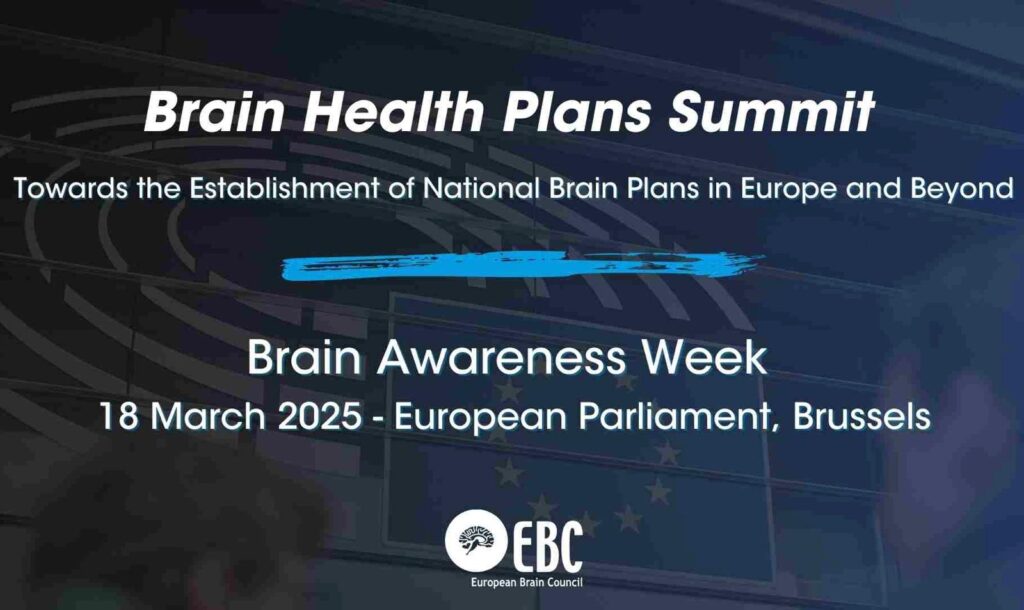
On 18 March 2025, one of the key events of Brain Awareness Week – „Brain Health Plans Summit: Towards the Establishment of National Brain Plans in Europe and Beyond”, – took place in Brussels. Organised by the European Brain Council (EBC) and hosted by MEP Aurelijus Veryga, the summit brought together representatives from the scientific community, policymakers, patient organisations, and European institutions, all united around the idea of developing and implementing national brain health plans.
Given that brain disorders are the leading cause of disability and the second most common cause of death worldwide, participants unanimously emphasised the need to treat brain health as a priority in health policy rather than a set of fragmented sectoral initiatives. The event aimed to encourage EU Member States and partner countries to develop and implement national brain health plans, in line with the WHO’s Intersectoral Global Action Plan on Epilepsy and Other Neurological Disorders (iGAP).
It also served as a forum for exchanging experiences between countries that have already introduced national strategies (including Switzerland, Canada, Norway, Denmark, and Finland) and those at the early stages of this process – including Poland, whose representatives presented the initial steps taken in the context of the ongoing Presidency of the Council of the EU.
Special attention was given to the role of scientific research, digital infrastructure, transnational cooperation, and the involvement of patients and civil society organisations in shaping brain health policies. On this occasion, the European Commission confirmed that brain health will become a key priority in EU health and research policy under the forthcoming Strategic Plan of the Horizon Europe programme for 2025–2027.
A strong voice from Poland
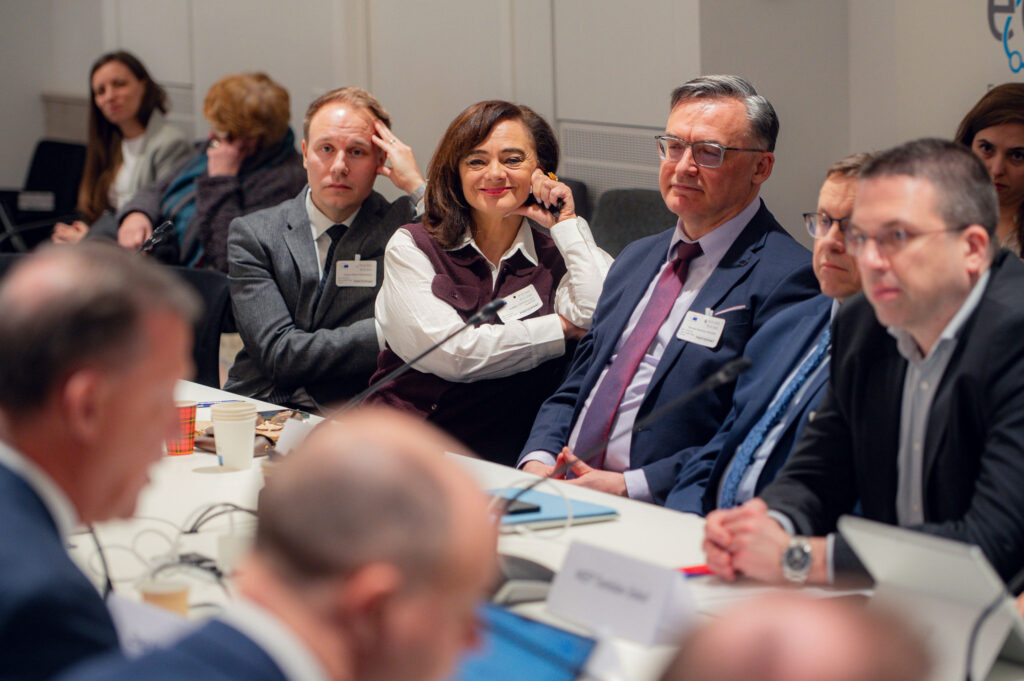
Among the speakers and participants in the debate were three representatives from Poland, highlighting the country’s growing engagement in the European dialogue on brain health.
Prof. Konrad Rejdak the Head of the Department and Clinic of Neurology at the Medical University of Lublin presented the actions currently being undertaken in Poland in preparation for a national brain health plan. He highlighted how these efforts are aligned with the priorities of the Polish Presidency of the EU in 2025, particularly in the areas of youth mental health, the digital transformation of the healthcare system, and pharmaceutical security.
He emphasised the importance of building coherent data repositories and the urgent need to increase funding for neurology – despite neurological care affecting around 16% of the population, it receives only 6% of the National Health Fund (NFZ) budget. He also pointed to the necessity of involving neurologists in the implementation of dementia prevention programmes and preparing the healthcare system for upcoming therapies. Finally, he called for greater state involvement in developing human resources and advancing scientific research in the field of neurology.
Izabella Dessoulavy-Gladysz,The founder and president of the Mental Power Foundation represented the voice of patient organisations. She spoke about efforts to raise public awareness of brain health – including the establishment of a network of NGOs working on this issue, the organisation of an exhibition in the Polish Parliament (Sejm), and a nationwide survey on brain health awareness, which gathered over 1,250 responses. The results revealed, among other things, low familiarity with the concept of “brain hygiene”, but at the same time, strong support for prevention. She stressed the need for an integrated approach to neurological and psychiatric issues, as well as the importance of making brain health a priority in national health policy. She also announced the forthcoming signing of a declaration to establish a Brain Health Coalition, aimed at developing a national strategy by the end of 2025.
Dr inż. Cezary Mazurek,The Director of the Department of Digital Medicine at the Poznań Supercomputing and Networking Center (PSNC), affiliated with the Institute of Bioorganic Chemistry of the Polish Academy of Sciences, focused on the role of digital technologies in brain research and healthcare. He highlighted Poland’s lack of participation in initiatives such as the Human Brain Project and EBRAINS, which prompted efforts to change this situation.
He described the establishment of a consortium of 19 institutions aimed at building the Polish EBRAINS node (EBRAINS-PL) and the submission of the project to the Polish Roadmap for Research Infrastructures. He emphasised the challenges of multiscale brain modelling and the role of AI throughout the entire patient journey – from prevention to treatment and quality of life. He also stressed the need for synergy between ministries and investments in digital infrastructure to effectively implement digital tools that support both research and clinical practice.
The presence of representatives from Poland’s academic, technological, and civic sectors confirms the country’s growing role in shaping the European brain health agenda and its commitment to developing a comprehensive national plan in this area.
The PolSCA Office – from support to co-creation
The participation of Polish experts in this year’s summit is the result of consistent efforts by the PolSCA PAN Office for the Promotion of Science in Brussels to integrate the national research community with European initiatives in the area of brain health.
In 2023–2024, the PolSCA Office undertook numerous initiatives aimed at supporting the creation of a collaborative platform focused on brain health. A particularly significant milestone was the organisation—together with the Helmholtz Association and SwissCore—of an event entitled:„Brainstorming the Future of Brain Health: Research, Collaboration, and Impact”, which took place in November 2024 in Brussels. The meeting brought together over 60 experts from across Europe and served as a platform for exchanging experiences and identifying shared research Priorities.
During this event, a working meeting was also held with representatives of the European Brain Council (EBC), focusing on the growing interest of the Polish scientific and clinical communities in the emerging European Brain Health Partnership. The PolSCA Office played a key role in initiating this dialogue and in promoting opportunities for Poland’s participation in strategic European activities.The PolSCA Team’s engagement in advocating for the establishment of a partnership in the area of Brain Health dates back to the discussions surrounding the first Strategic Plan for Horizon Europe for 2021–2024. At that time, we supported the Ministry of Science and Higher Education (MNiSW) in promoting this initiative. It was during these deliberations that the European Commission decided to fund a Coordination and Support Action (CSA) project to develop the concept for a future partnership—one that was ultimately included in the second Strategic Plan for Horizon Europe.
The activities of the PolSCA Office in the area of Brain Health also indirectly contributed to the establishment of the EBRAINS-PL consortium in 2024. This consortium brings together key national institutions – including the Nencki Institute of Experimental Biology PAS and the Poznań Supercomputing and Networking Center (PCSS) – that now co-create the European research infrastructure EBRAINS. The formation of this consortium marks a milestone for Poland in securing lasting involvement in European initiatives at the intersection of neuroscience and digital research technologies. These efforts began in 2023 with the decision to have two PAS institutes join the EBRAINS research infrastructure, which supports the advancement of brain research. The first step came in January 2024, when the Institute of Bioorganic Chemistry PAS became a full member through the involvement of its affiliated centre, PCSS.
At the beginning of 2024, the Nencki Institute of Experimental Biology PAS followed as an associate member of EBRAINS.
The driving force behind these developments was the PolSCA PAN Office for the Promotion of Science in Brussels – the initiator and facilitator of these efforts. » The Institutes of the Polish Academy of Sciences Join EBRAINS
Summary – PL version | EN version