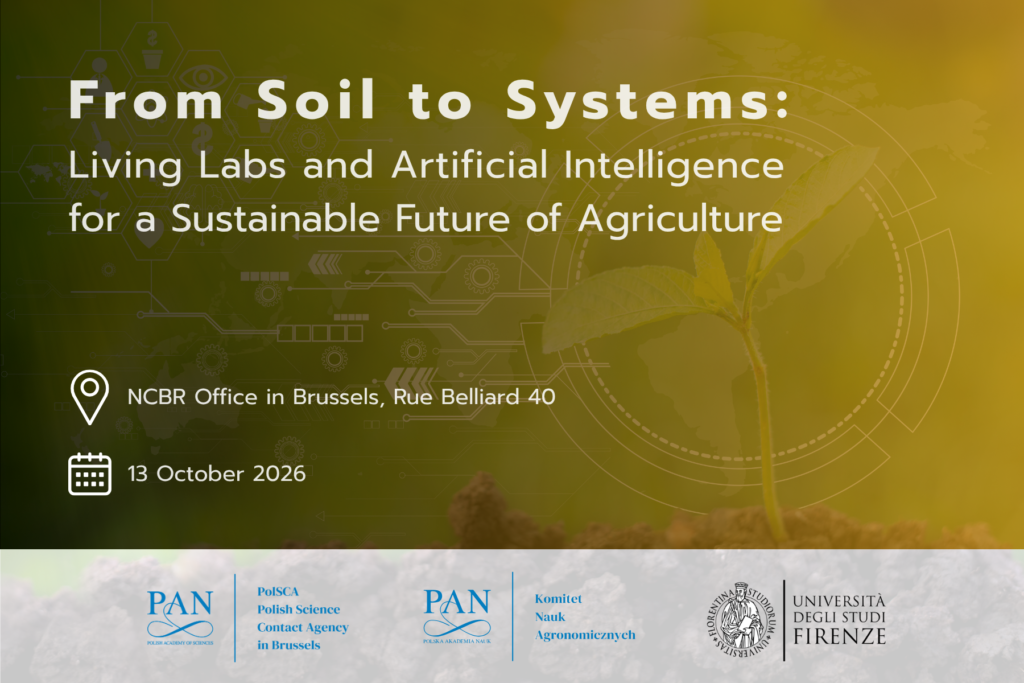
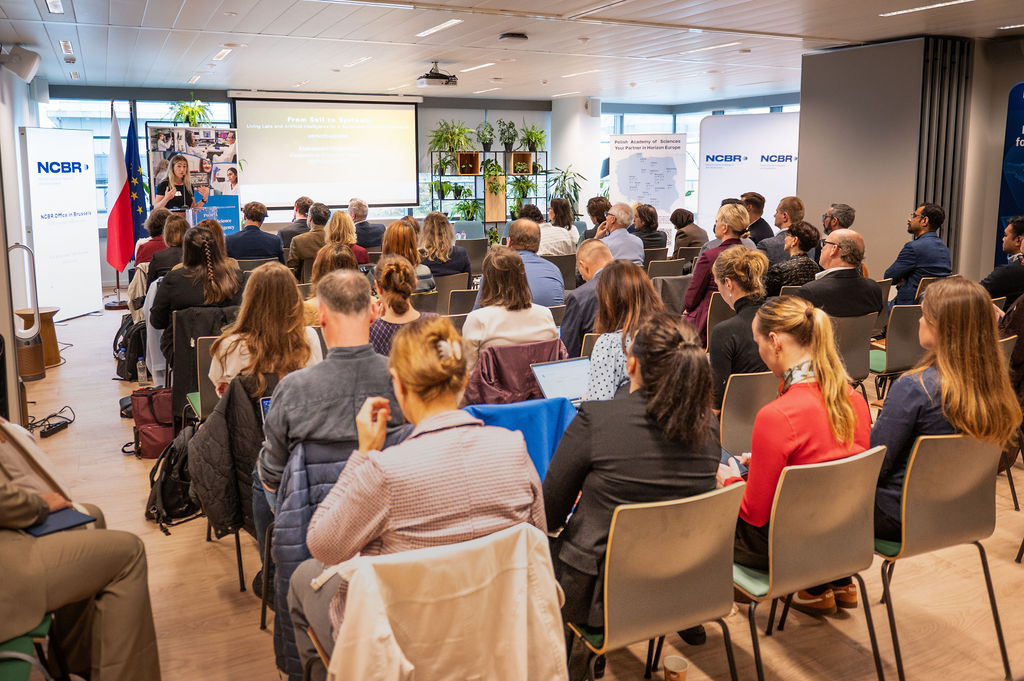
Living Labs have become an important part of Europe’s efforts to restore soil health, while artificial intelligence is opening new possibilities for agricultural management. But how can these innovations make a lasting difference beyond individual research projects? This question was at the heart of the conference “From Soil to Systems: Living Labs and Artificial Intelligence for a Sustainable Future of Agriculture”, held in Brussels on 13 October 2026.
Organised by the Polish Science Contact Agency (PolSCA) of the Polish Academy of Sciences, the PAS Committee of Agronomic Sciences and the University of Florence, the event brought together researchers, representatives of European Parliament and European Commission, farmers and innovation practitioners.
Taking the EU Mission A Soil Deal for Europe as its starting point, the conference examined two closely connected questions: how to build lasting innovation ecosystems around Living Labs, and how digital technologies can support more sustainable, resilient agricultural practices.
phot. BXL Frame / Kinga Majewska
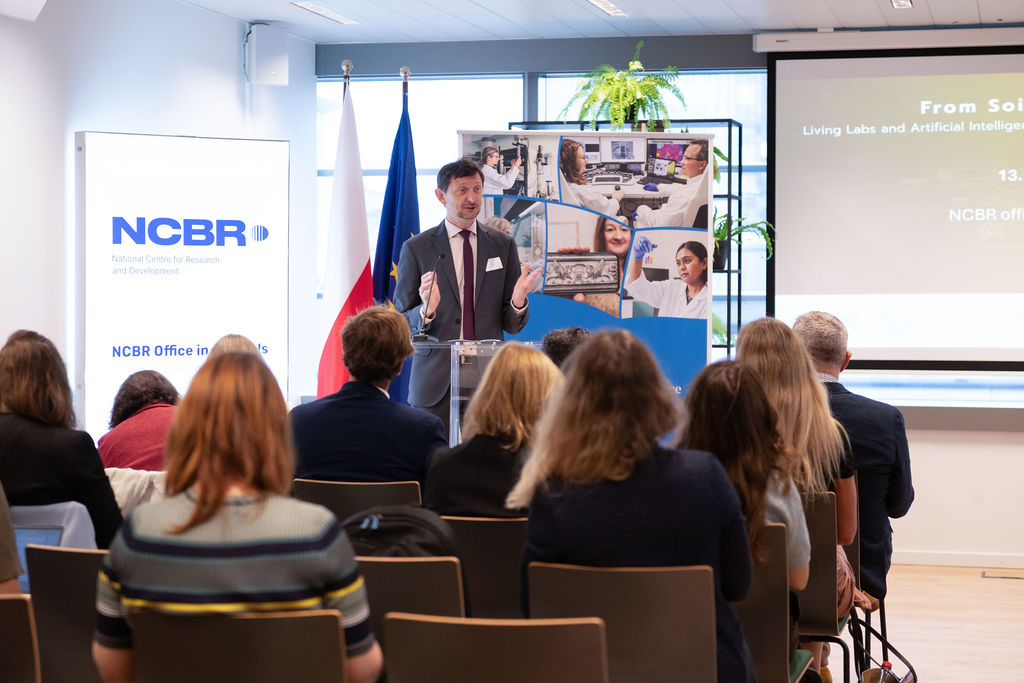
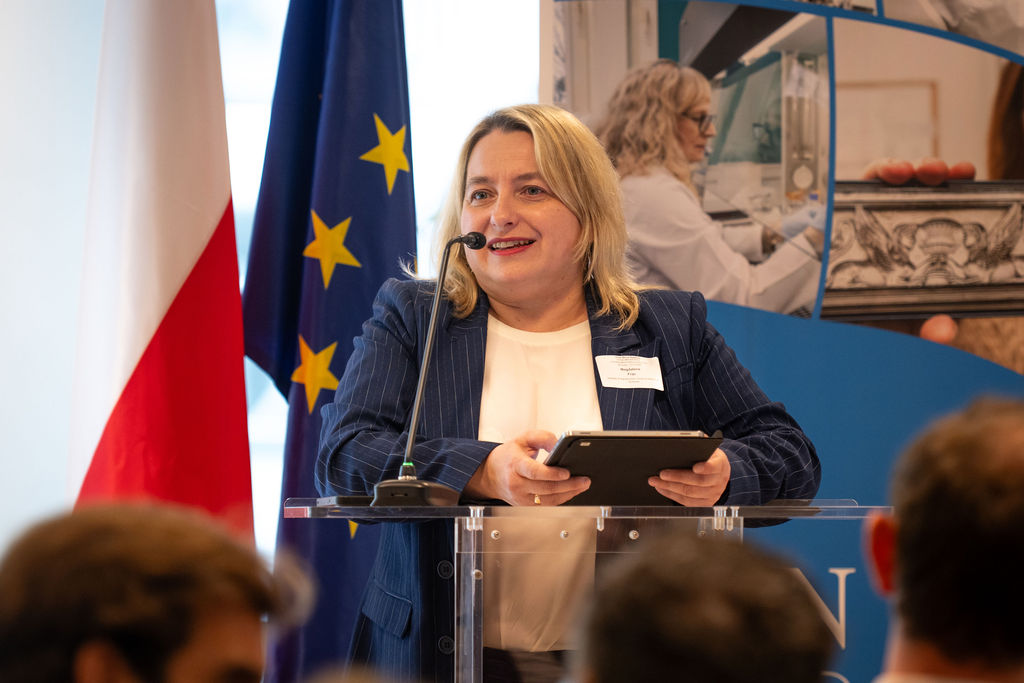
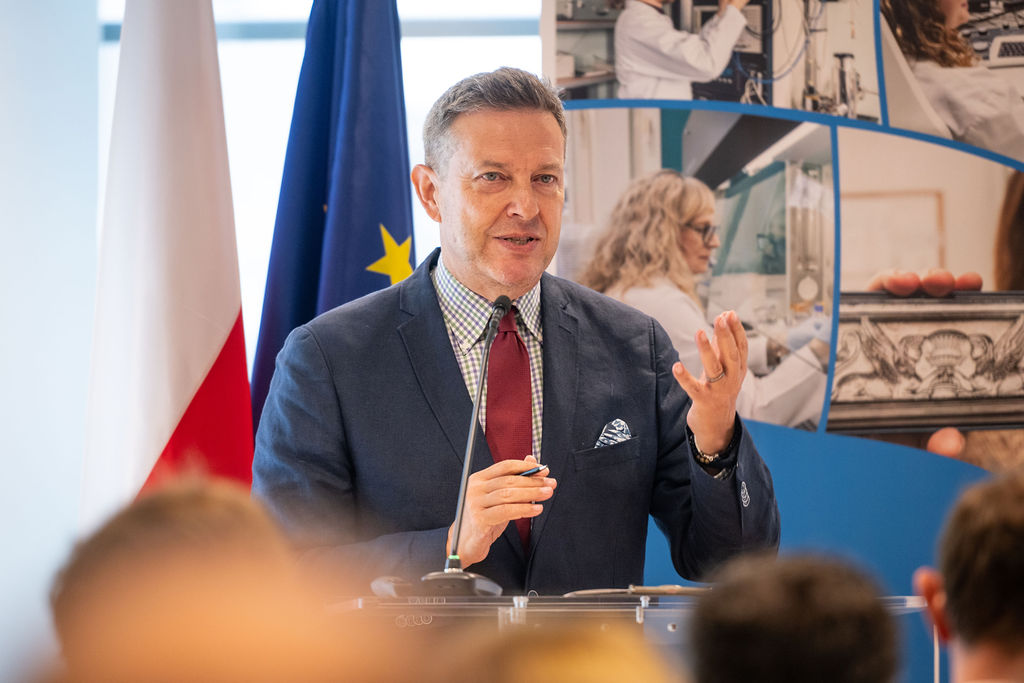
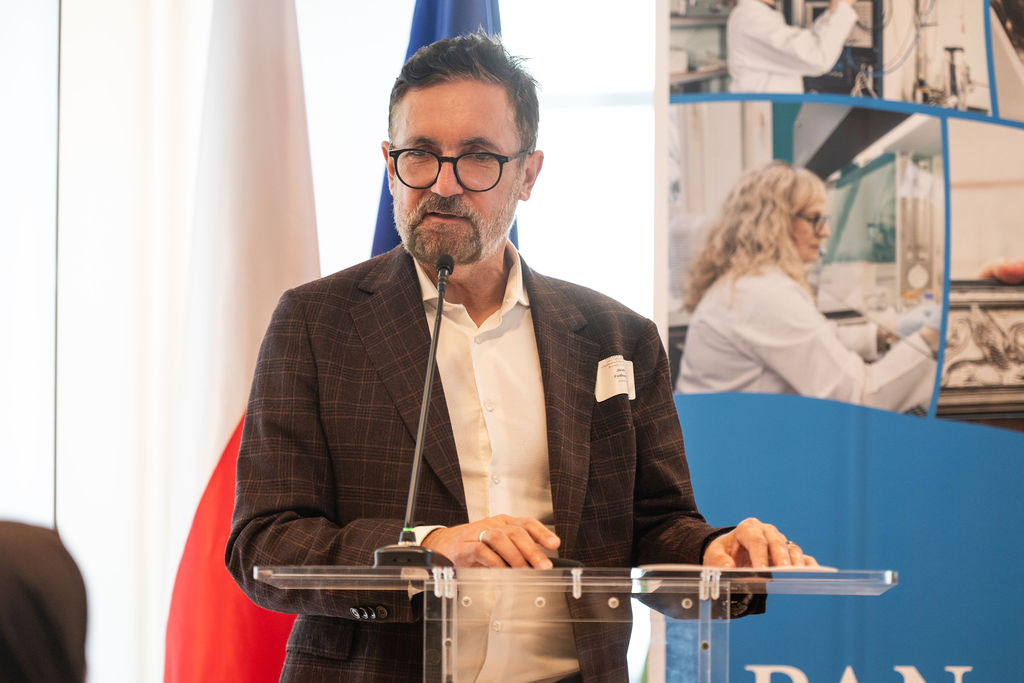
The conference opened with remarks from Tomasz Poprawka, Director of PolSCA, Professor Magdalena Frąc, Chair of the PAS Committee of Agronomic Sciences, and Waldemar Dubaniowski, Director of the NCBR Office in Brussels. Aleksandra Ciszewska, representing the office of MEP Krzysztof Hetman, delivered the keynote address.
Beyond project funding: the future of Living Labs
The morning session focused on the achievements of Mission Soil and the longer-term future of Living Labs across Europe.
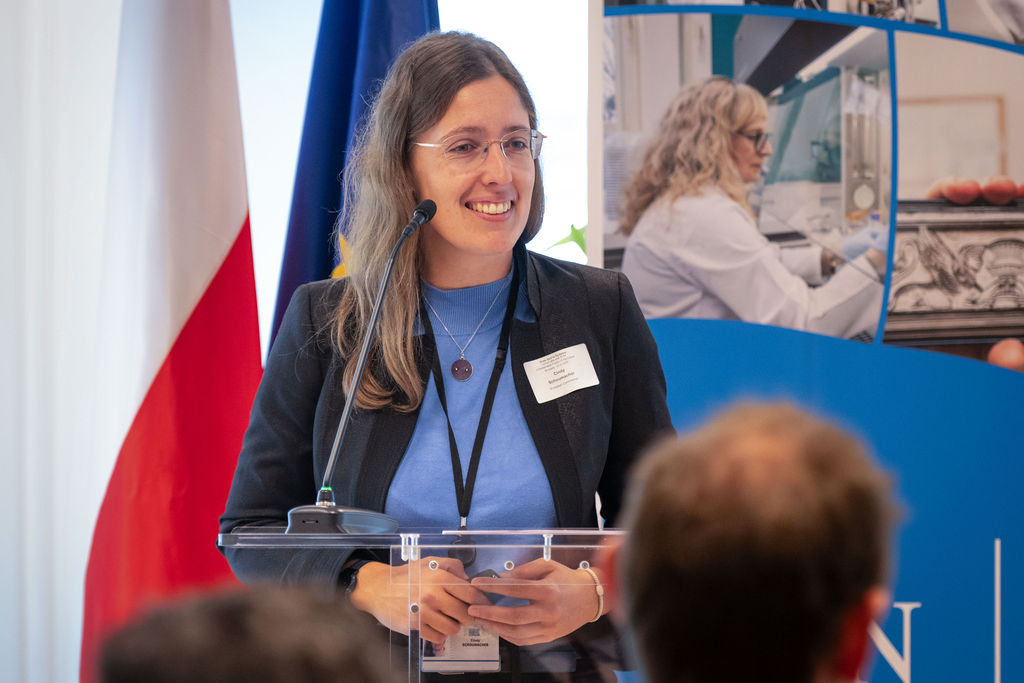
Cindy Schoumacher from the European Commission’s Directorate-General for Research and Innovation (DG RTD) outlined the Mission’s progress and its contribution to European soil policy. With the Mission on track to establish more than 100 Living Labs, Europe is developing an extensive network for testing and demonstrating sustainable soil management practices.
Yet establishing the network is only part of the task. The next challenge is to ensure that the knowledge, partnerships and solutions developed through these initiatives continue to deliver benefits once their initial EU funding ends.
This question is particularly relevant as discussions continue on the next EU Framework Programme for Research and Innovation (FP10). Living Labs could play an important role in connecting European research priorities with local needs, provided that their activities are supported by appropriate long-term governance and financing arrangements.
Korinna Varga, representing the Agroecology Partnership and the Hungarian Research Institute of Organic Agriculture (ÖMKi), approached the issue from the perspective of co-creation. She explained that Living Labs are most effective when farmers are involved from the outset, helping to define research questions, test solutions and evaluate their usefulness.
This involvement goes well beyond consultation. When farmers participate directly in developing new practices, they are more likely to adopt them and share their experience with others. Equally important is the connection with the surrounding region. Agricultural challenges vary considerably depending on soil conditions, climate, farming systems and local economic circumstances.
phot. BXL Frame / Kinga Majewska
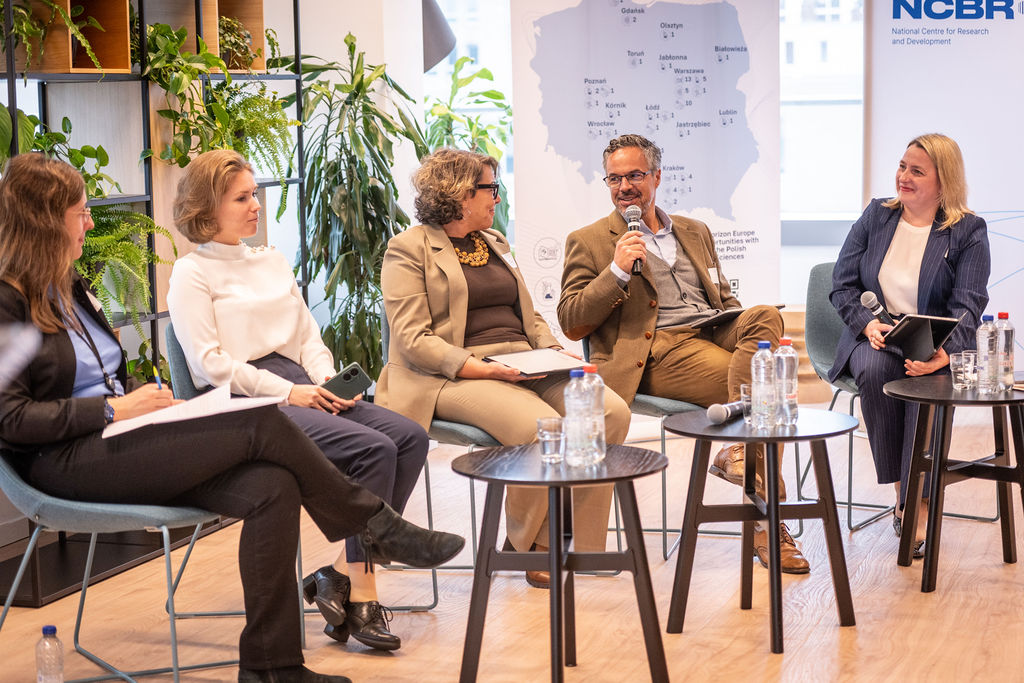
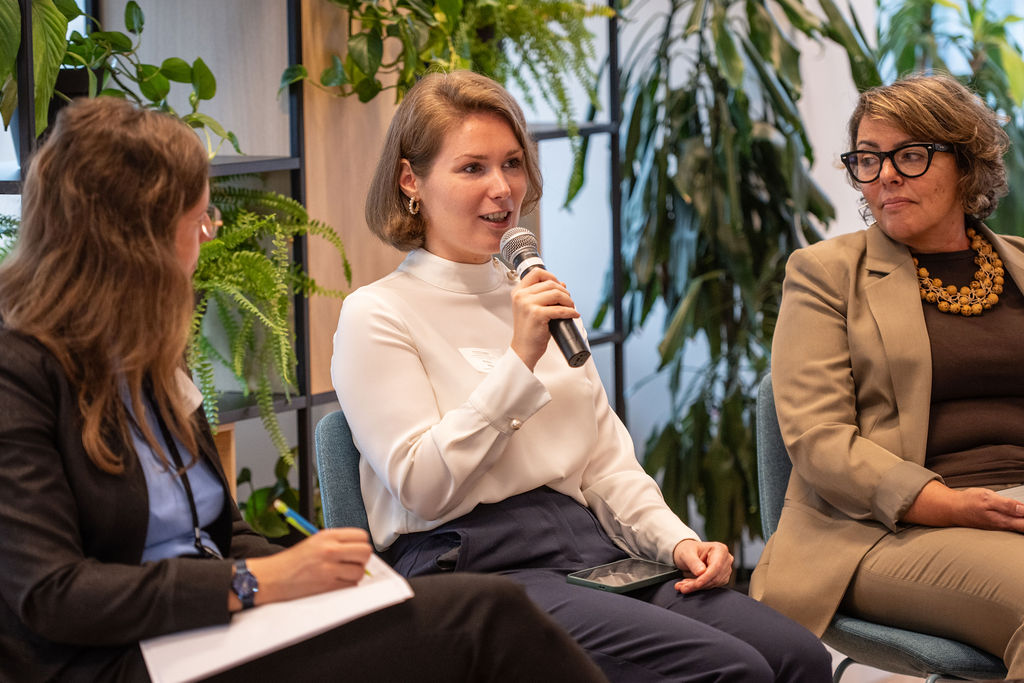
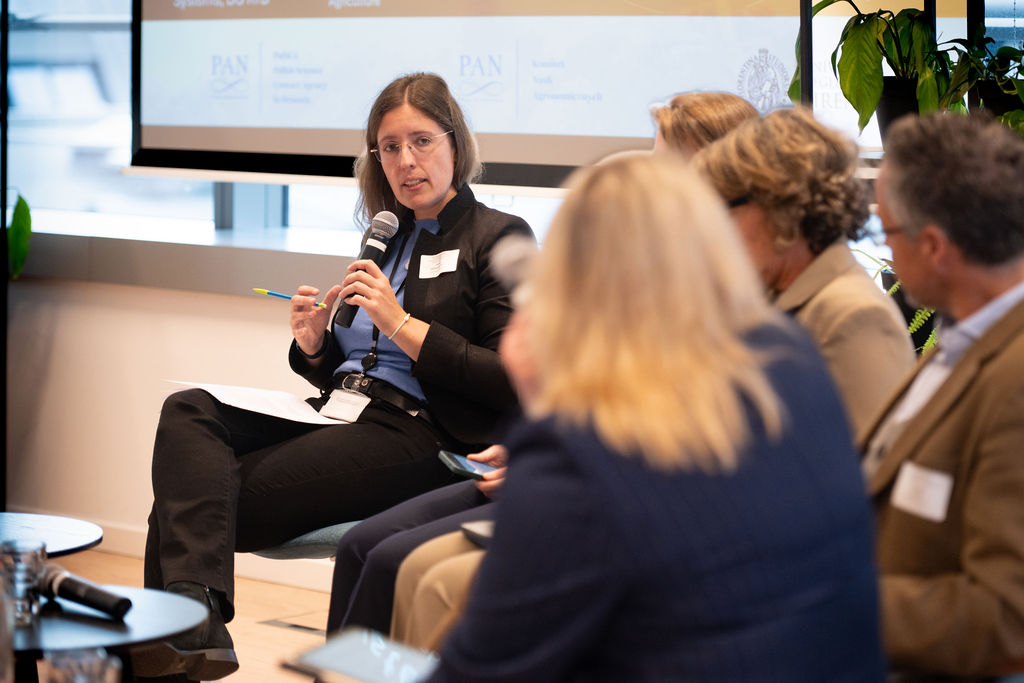
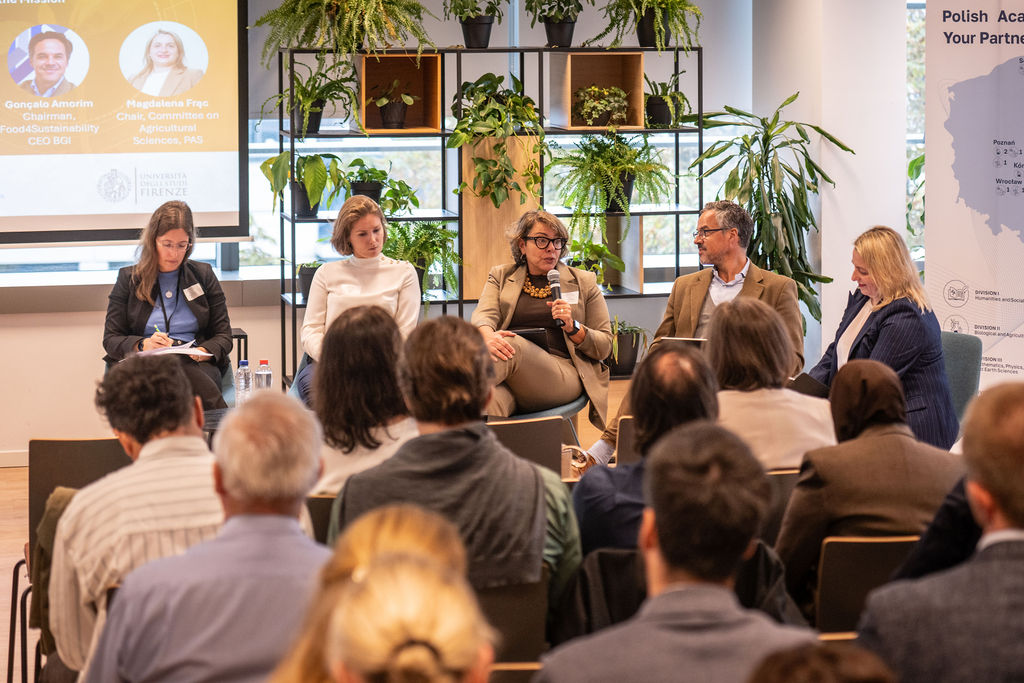
The panel discussion, moderated by Professor Magdalena Frąc, brought together Cindy Schoumacher, Korinna Varga, Professor Joana Falcão Salles from the University of Groningen and Gonçalo Amorim from Food4Sustainability and BGI.
One of the main concerns was the mismatch between the duration of research projects and the time required to observe meaningful changes in soil health.
Professor Falcão Salles explained that while soil microbial communities can respond relatively quickly to changes in management practices, processes such as organic matter accumulation and improved nutrient cycling take much longer. Monitoring these changes over several years is essential for understanding which interventions work, under what conditions and why.
From a business perspective, Gonçalo Amorim stressed the importance of demonstrating tangible benefits to farmers. Successful trials can encourage wider adoption, particularly when they show how sustainable practices reduce production costs or improve farm performance.
However, experimentation involves financial risks that individual farmers cannot reasonably be expected to bear. The discussion therefore explored the need for different funding approaches, including public research support, long-term private investment and mechanisms that recognise the ecosystem services provided by farmers.
phot. BXL Frame / Kinga Majewska
Across the panel, there was broad agreement on one point: Living Labs should be treated as long-term research and innovation infrastructures, rather than activities defined by the lifespan of individual EU projects.
Achieving this will require stronger links with national and regional innovation systems, as well as shared responsibility among research institutions, farmers’ organisations, public authorities and businesses.
Living Labs in action: lessons from European projects
The discussion was followed by presentations illustrating how Living Labs are already working with farmers to address practical challenges.
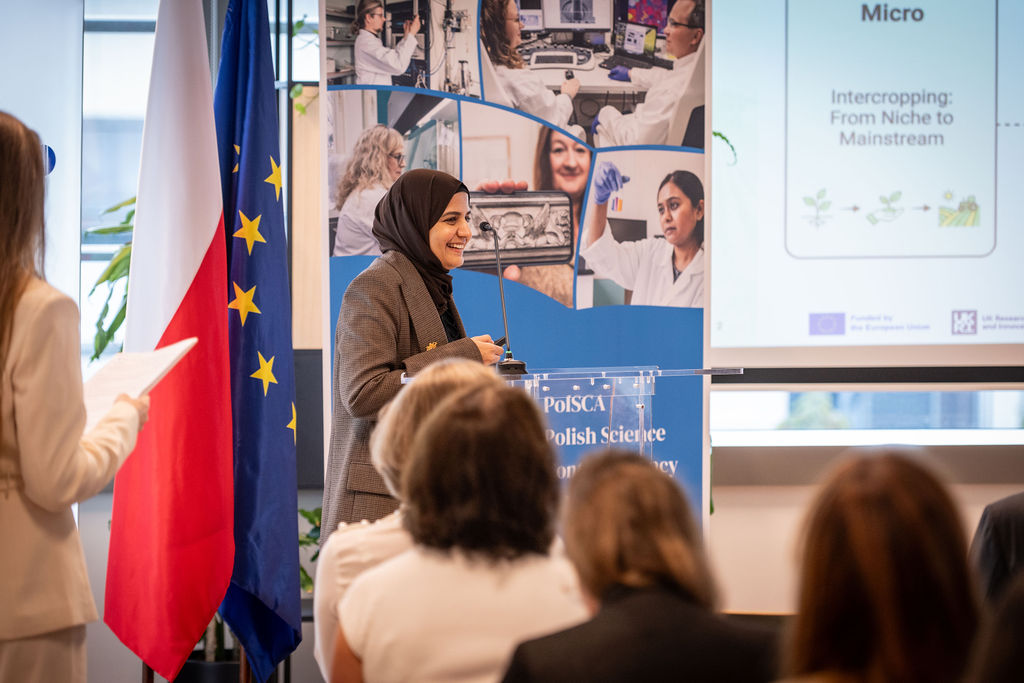
Shamina Imran Pathan from the University of Florence presented findings from LEGUMINOSE, a European project exploring cereal–legume intercropping. Drawing on field trials involving 189 farms, the project has examined how growing different crops together can improve productivity, yield stability and crop quality.
The results presented in Brussels pointed to benefits particularly under warm, dry and low-input conditions. They also demonstrated that the success of intercropping depends heavily on crop combinations, management decisions and local environmental conditions.
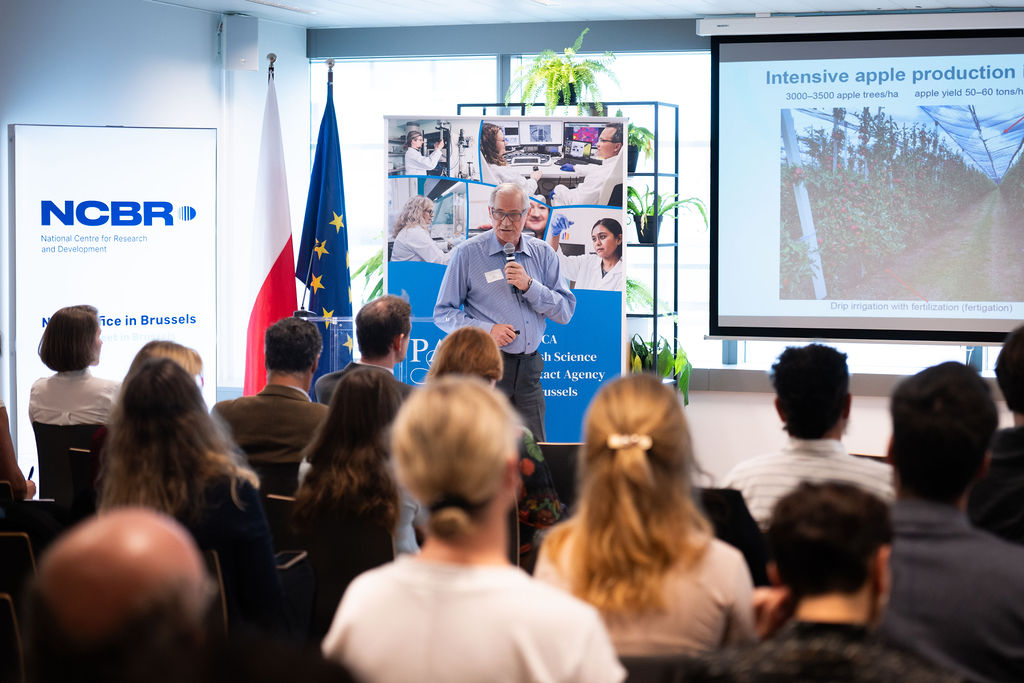
Professor Józef Chojnicki from the Warsaw University of Life Sciences introduced the Grójec Living Lab, developed within the LivingSoiLL project. Located in one of Poland’s major apple-growing regions, the initiative brings researchers and local stakeholders together to investigate soil health in permanent crops.
With 14 experimental sites in the Grójec area, the Living Lab provides an example of how a European research initiative can be closely aligned with the needs of a particular agricultural region.
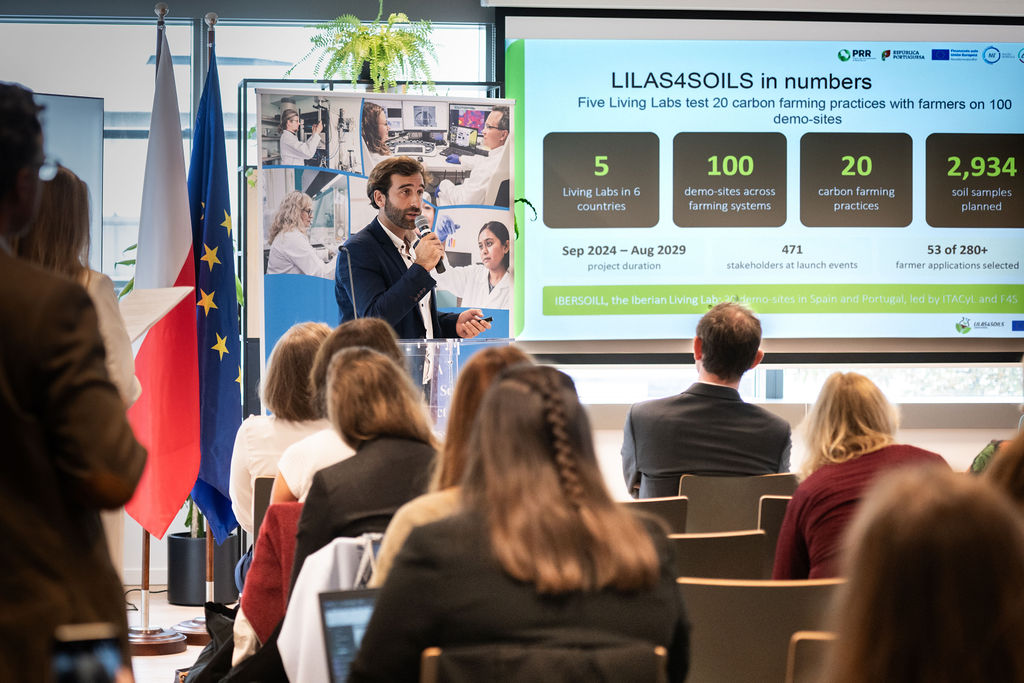
Luís Martins from Food4Sustainability presented LILAS4SOILS, a project testing carbon farming practices through five Living Labs operating across six European countries. Its activities cover 100 demonstration sites and 20 carbon farming practices, with the aim of generating evidence that can support more sustainable soil management and wider adoption by farmers.
phot. BXL Frame / Kinga Majewska
Although the projects differ in their agricultural focus and geographical coverage, they share a common approach: involving farmers directly in experimentation and generating results that can be tested and applied under real farming conditions.
AI and agroecology: finding the right balance
The afternoon session turned to digital technologies and artificial intelligence, examining their potential to support soil health, crop diversification and agricultural decision-making.
Francesco Iadecola from the European Commission’s Directorate-General for Agriculture and Rural Development (DG AGRI) presented European research and innovation initiatives supporting the digital transformation of agriculture.
His contribution also highlighted a persistent challenge: despite considerable investment in new technologies, their uptake across the farming sector remains uneven.
For many farmers, particularly those operating small and medium-sized holdings, the cost of digital solutions remains a major obstacle. Limited technical knowledge, insufficient support and uncertainty over data ownership can further discourage adoption.
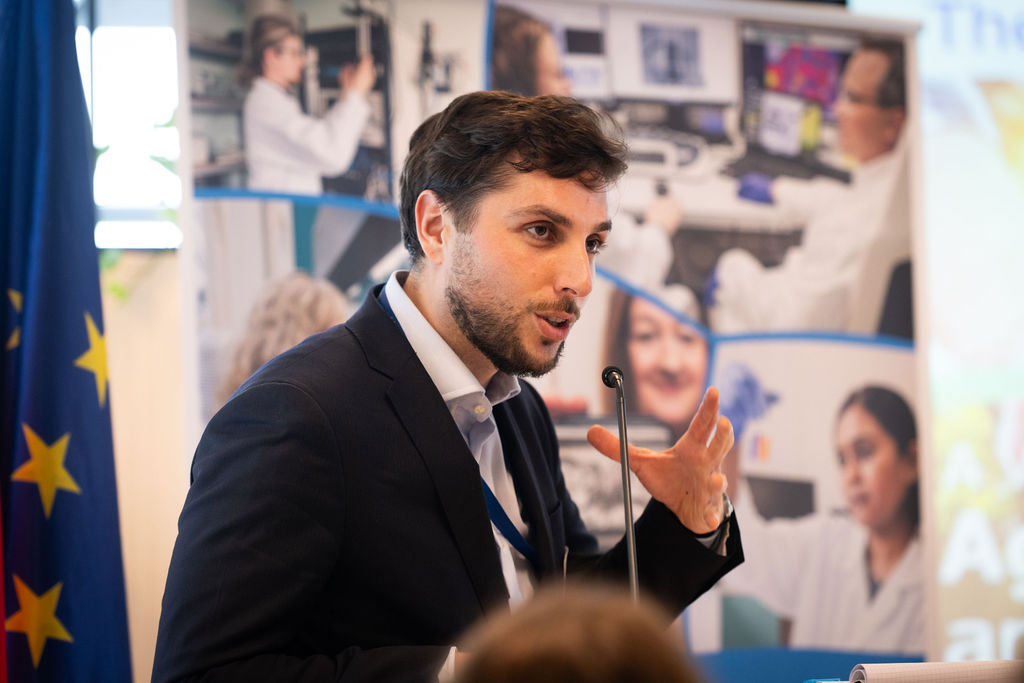
Bruno Steinkraus, Founder and CEO of Soilytix GmbH, explored how digital technologies can turn soil monitoring data into practical recommendations for farmers. He presented an approach combining satellite imagery, climate projections and laboratory analysis of soil properties, including its microbiome, to identify areas at risk and support more targeted soil management.
A central point of his presentation was the importance of soil biology. While changes in soil organic carbon and other physical or chemical properties can take years to become apparent, microbial indicators may offer earlier insights into the effects of agricultural practices. Bruno Steinkraus also discussed how AI could use comparable soil data to develop tailored management recommendations, from crop rotation to fertilisation strategies. He highlighted the role of Living Labs in generating consistent, long-term datasets, allowing AI models to learn from real field conditions and improve their recommendations over time.
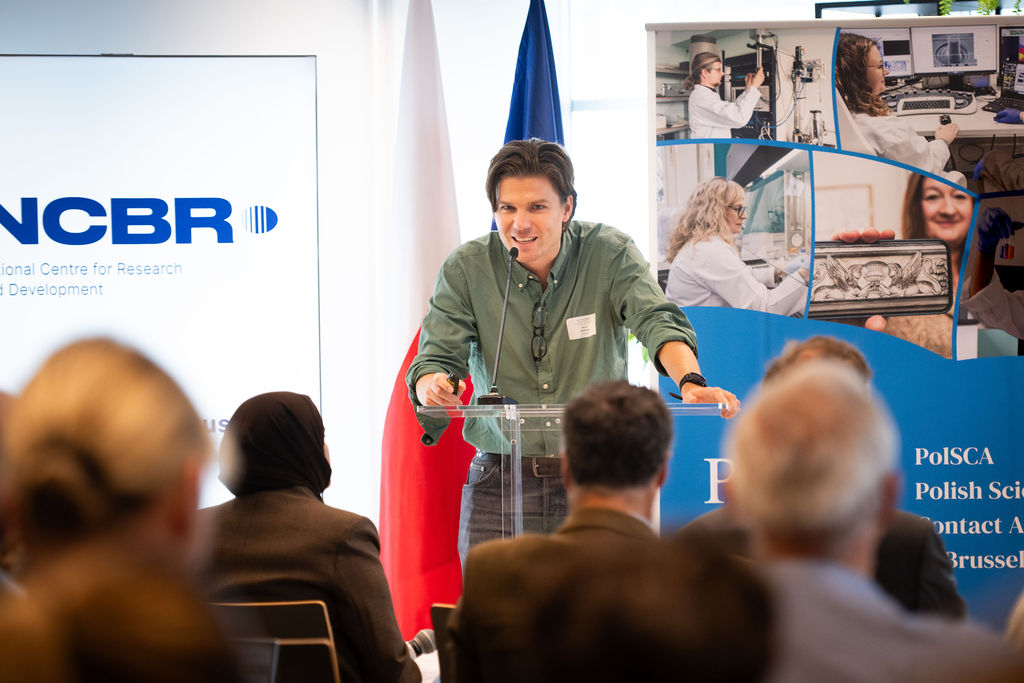
The session also featured Jacek Podlewski, President of CGFP, who presented an AI-powered decision-support system and its practical application in the company’s operations.
phot. BXL Frame / Kinga Majewska
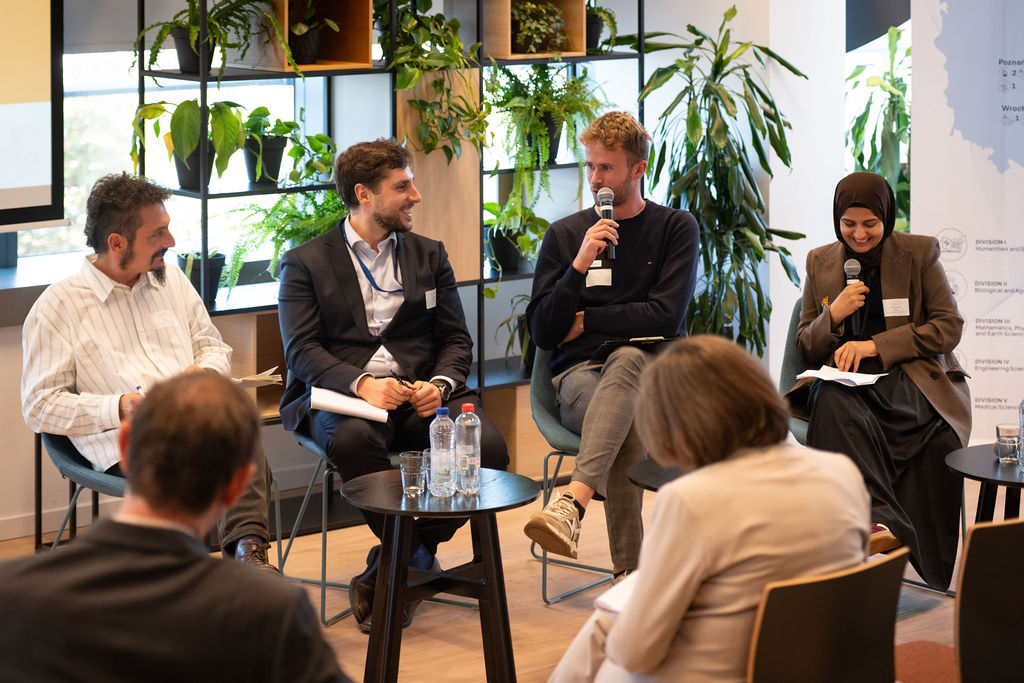
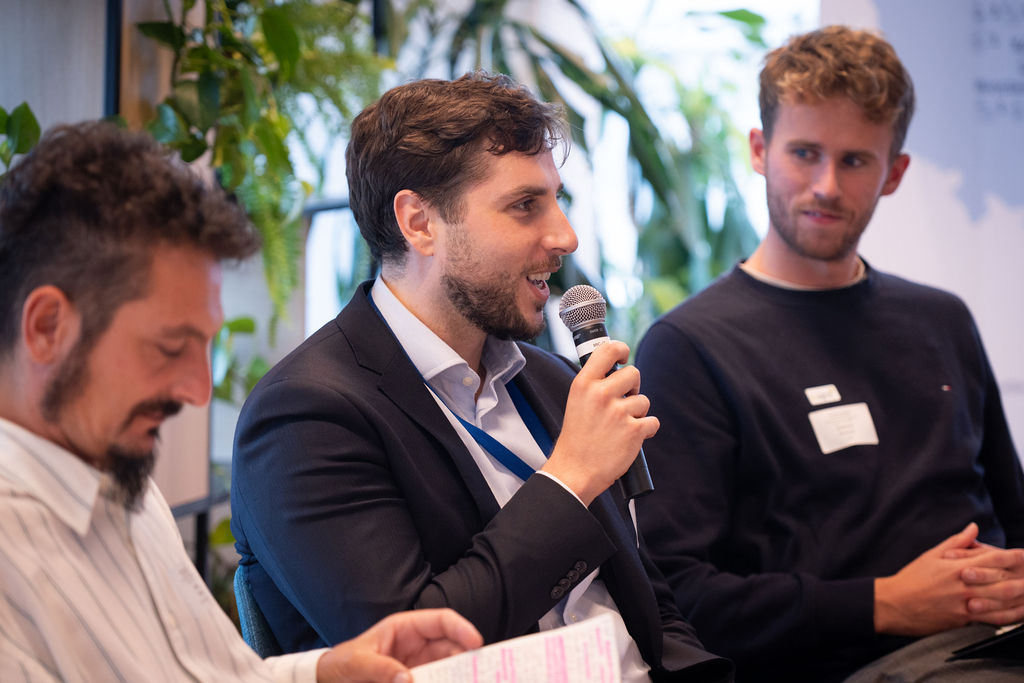
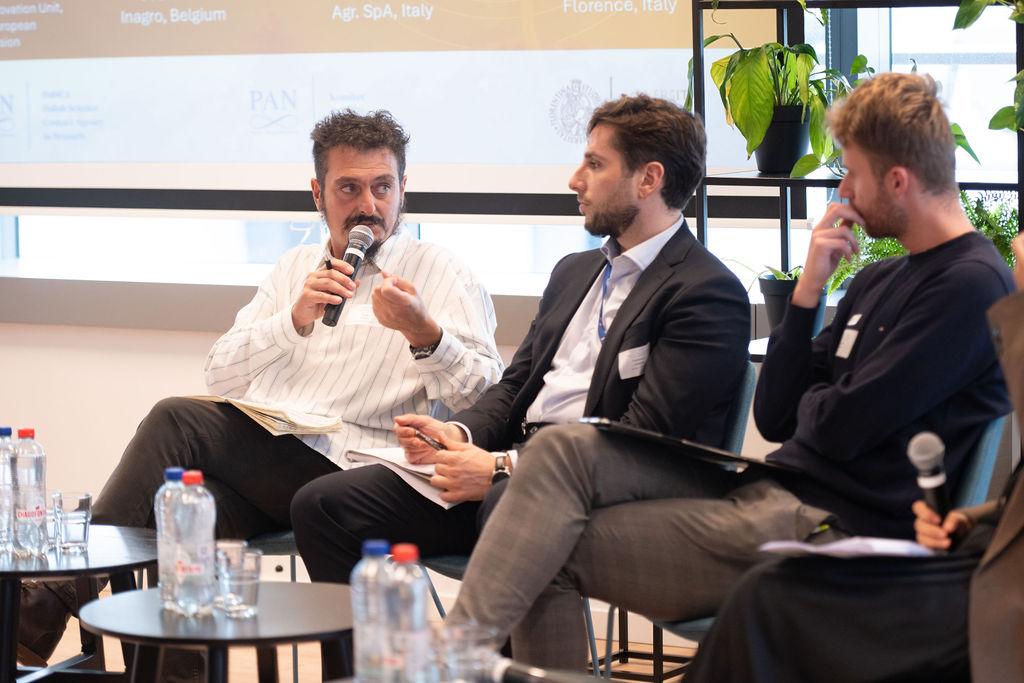
The subsequent panel, moderated by Shamina Imran Pathan, brought together Francesco Iadecola, Guillaume Provoost from Belgium’s Inagro and Jacopo Goracci from Tenuta di Paganico in Italy.
Their discussion moved beyond the potential of AI to examine how digital technologies perform in the realities of farming.
One important question was whether precision agriculture and agroecology are naturally converging. The panel suggested that, although there are clear opportunities for cooperation, the relationship is far from straightforward.
Digital technologies are often developed for relatively standardised production systems. Agroecological farms, by contrast, may combine different crops, livestock, agroforestry and complex ecological interactions. Tools designed for uniform conditions can therefore struggle to reflect the diversity of real agricultural systems.
Drawing on his experience at Tenuta di Paganico, Jacopo Goracci argued that technology should adapt to the complexity of farming rather than require farmers to simplify their operations. Digital solutions may offer considerable benefits for tasks such as grazing management, soil monitoring and resource planning, but only if they are practical and proportionate to the farm’s needs.
The discussion also addressed the question of trust.
Farmers need to understand how digital tools reach their recommendations, how their data is used and whether adopting a particular technology will deliver measurable benefits. Transparent systems, clear data-sharing arrangements and opportunities to learn from other farmers were identified as important factors in encouraging adoption.
The panel also challenged the idea that there could be one universally useful AI application for agriculture.
Differences in soil types, cropping systems, climate and farm management mean that a model developed for one location may not perform equally well elsewhere. Effective digital solutions must therefore be adaptable, accessible and designed around users’ actual needs.
Ultimately, the discussion returned to a straightforward principle: AI should help farmers make better-informed decisions, not take those decisions away from them.
From research results to lasting impact
The discussions in Brussels showed how much progress Europe has made in connecting soil science, agricultural innovation and practical experimentation. Mission Soil and European partnerships have helped establish networks, develop new knowledge and bring researchers into closer contact with farmers.
At the same time, participants identified several issues that will determine whether these investments have a lasting impact.Living Labs need continuity beyond individual funding cycles. Promising agricultural practices require long-term monitoring and credible evidence. Digital technologies must become more affordable, transparent and relevant to different farming systems.These questions are becoming increasingly important as the EU prepares its next research and innovation framework.
The conference also made clear that technological development alone will not deliver the transition towards sustainable agriculture. Progress will depend on the ability to combine scientific evidence, farmers’ practical knowledge, appropriate investment and supportive public policies. The value of agricultural innovation ultimately lies not in how advanced a solution is, but in whether it works in the field and can be adopted by the people who need it.
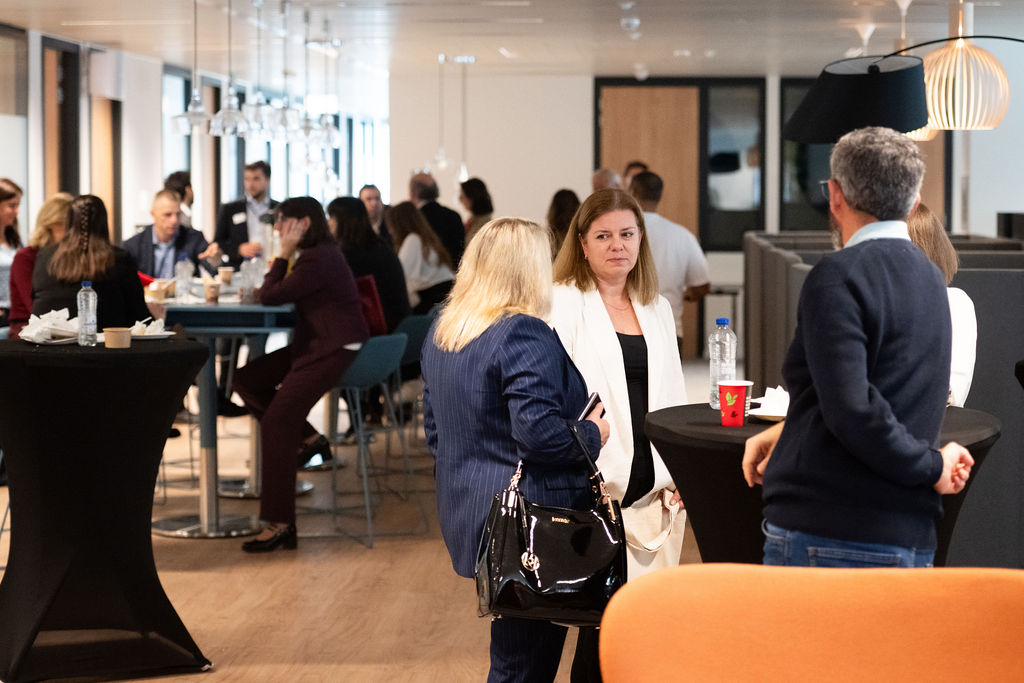
The event concluded with a networking session, offering participants an opportunity to continue the discussions and explore potential cooperation across research, policy and agricultural practice.
We thank all speakers, panellists and participants for their contributions and for making the conference a valuable forum for discussion.
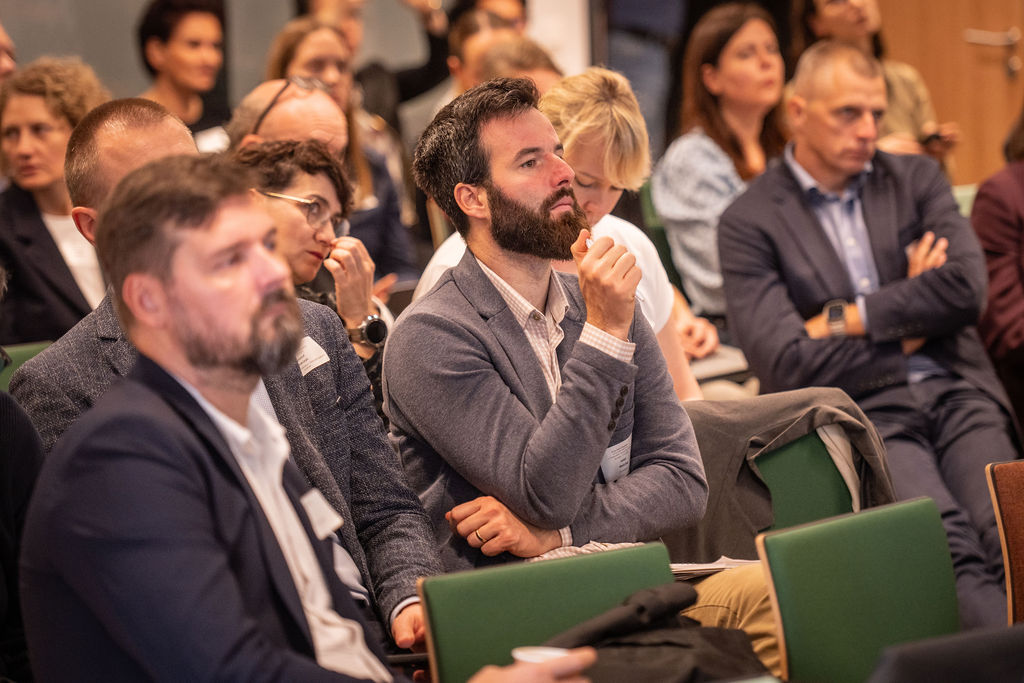
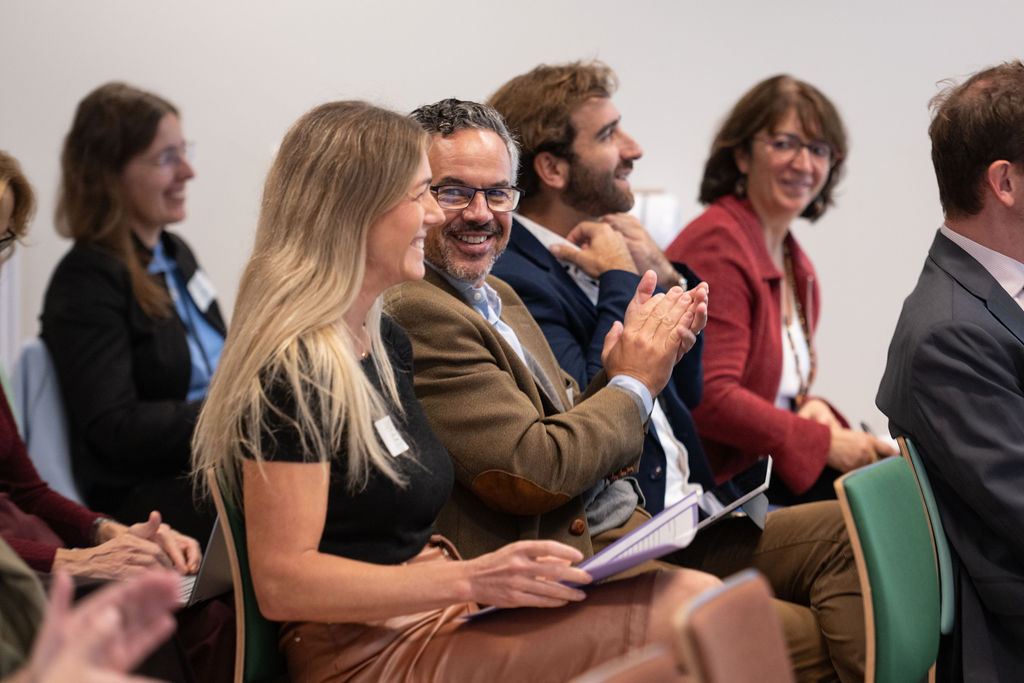
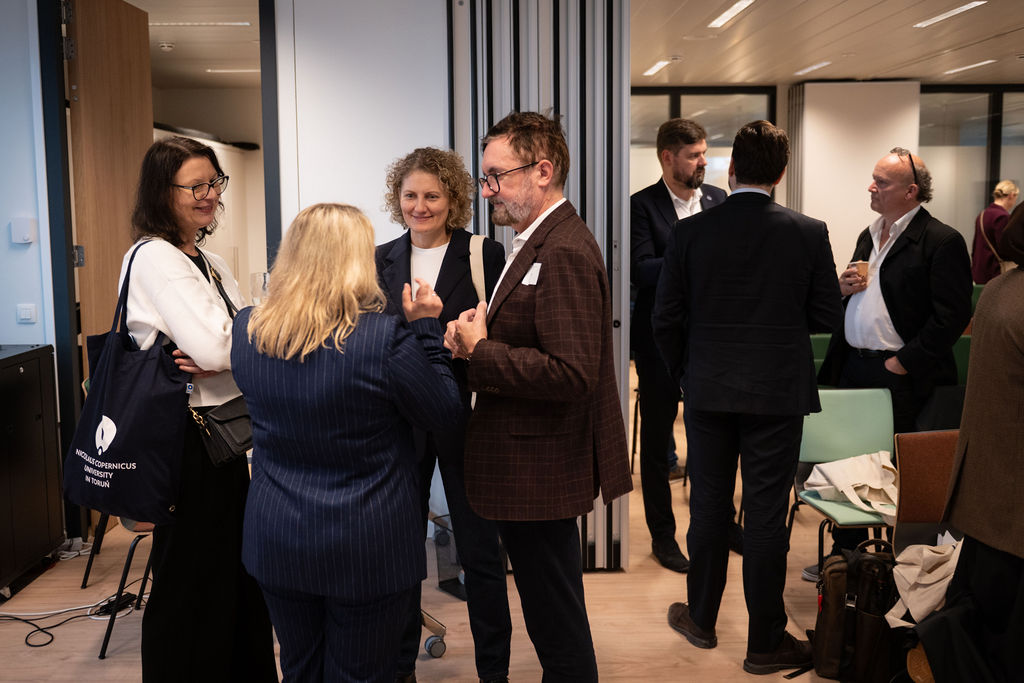
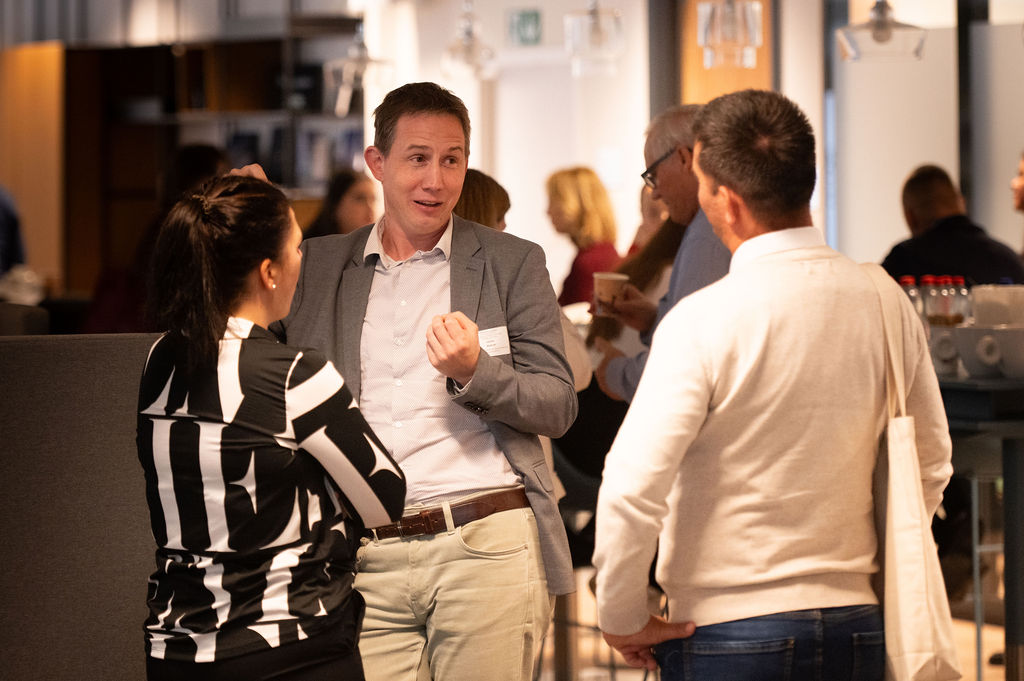
phot. BXL Frame / Kinga Majewska
Here you can view the PRESENTATIONS


