On 21 May 2026, the anniversary event MSCA at 30: Research Mobility & Bridging Gaps Across Europe took place in Brussels, focusing on the future of research mobility, research careers, and the role of the Marie Skłodowska-Curie Actions (MSCA) in strengthening the European Research Area (ERA). Co-organised by the Polish Academy of Sciences (PAS) and the Marie Curie Alumni Association (MCAA), the event brought together more than one hundred participants from 20 countries. Attendees included researchers, research managers, representatives of higher education and research institutions, experts supporting participation in EU programmes, as well as representatives of the European Commission and the Council of the European Union.
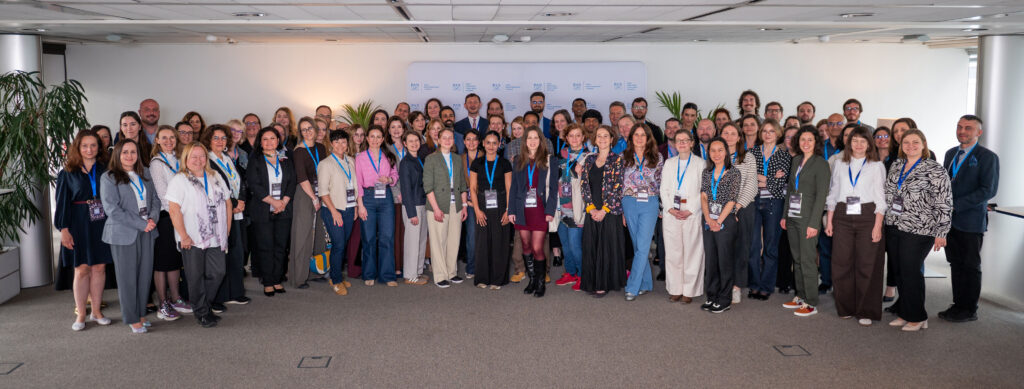
The event aimed to create a space for reflection on the achievements of three decades of MSCA while launching a discussion on the programme’s future development in the context of preparations for the next EU Framework Programme beyond 2028. The organisers deliberately designed the event as a working forum for the MSCA community, focusing not only on celebrating the programme’s achievements, but also on exploring its future role in strengthening Europe’s competitiveness, supporting research careers and advancing the European Research Area. Throughout the discussions, participants repeatedly emphasised that after 30 years, MSCA is no longer seen solely as a mobility instrument, but also as a mechanism for building lasting collaboration networks, transferring knowledge and skills, and strengthening the institutional capacity of research-performing organisations across Europe.
The event was organised by the PolSCA PAS Office in Brussels and the PAS Office for Science Excellence in Warsaw in cooperation with the Marie Curie Alumni Association, particularly the MCAA Poland, Hungary and Benelux Chapters, as well as three IGLO partners from Germany, the Netherlands and Hungary: KoWi, Neth-ER and NRDIO.
From Practice to Policy: Key Themes of the Programme
The event was officially opened by Dr Tomasz Poprawka and Bogna Hryniszyn on behalf of the Polish Academy of Sciences, together with Dr Gian Maria Greco, Chair of the Marie Curie Alumni Association. In their opening remarks, they emphasised that after 30 years, MSCA remains one of Europe’s most recognised and valued instruments for supporting research talent, internationalisation and long-term scientific cooperation.

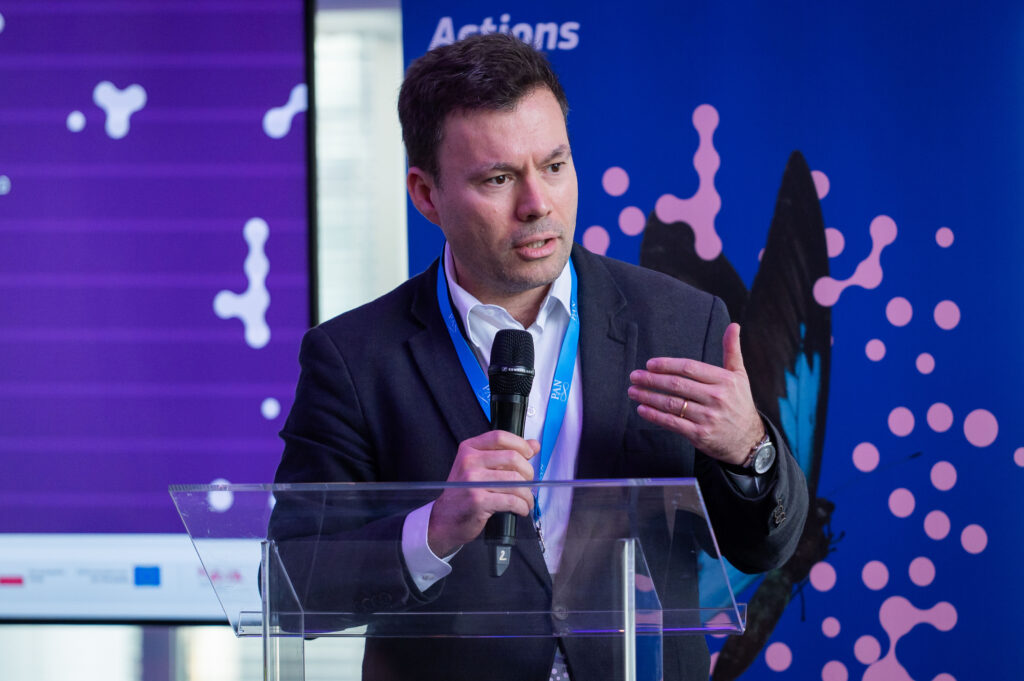
The strategic part of the programme began with the keynote speech 30 Years of MSCA: What Built Europe’s Talent Programme – and What’s Next for FP10, delivered by Manuel Aleixo, Member of the Cabinet of the European Commissioner for Startups, Research and Innovation. His presentation framed the subsequent discussions within broader European debates on competitiveness, talent policies and the future shape of FP10.
Mobility in Practice and Research Career Development
The first substantive session was the panel discussion Making MSCA Work: Career Paths, Institutions and Cross-Border Reality, moderated by Dr Tomasz Poprawka. Discussion featured Claire Morel, representing the Directorate-General for Education, Youth, Sport and Culture (DG EAC) of the European Commission, together with representatives of three national MCAA chapters: Dr Serena Gargiulo (Benelux), Dr Béla Fiser (Hungary) and Dr Michael Nones (Poland).
Participants stressed that MSCA is much more than a mobility programme. It is also a tool for career development, institutional strengthening and improving standards in supervision, HR policies and researcher support. The discussion focused on practical aspects of research mobility, including employment conditions, the quality of research environments, transparency of recruitment processes, mentoring, institutional support and differences between national research and innovation ecosystems.
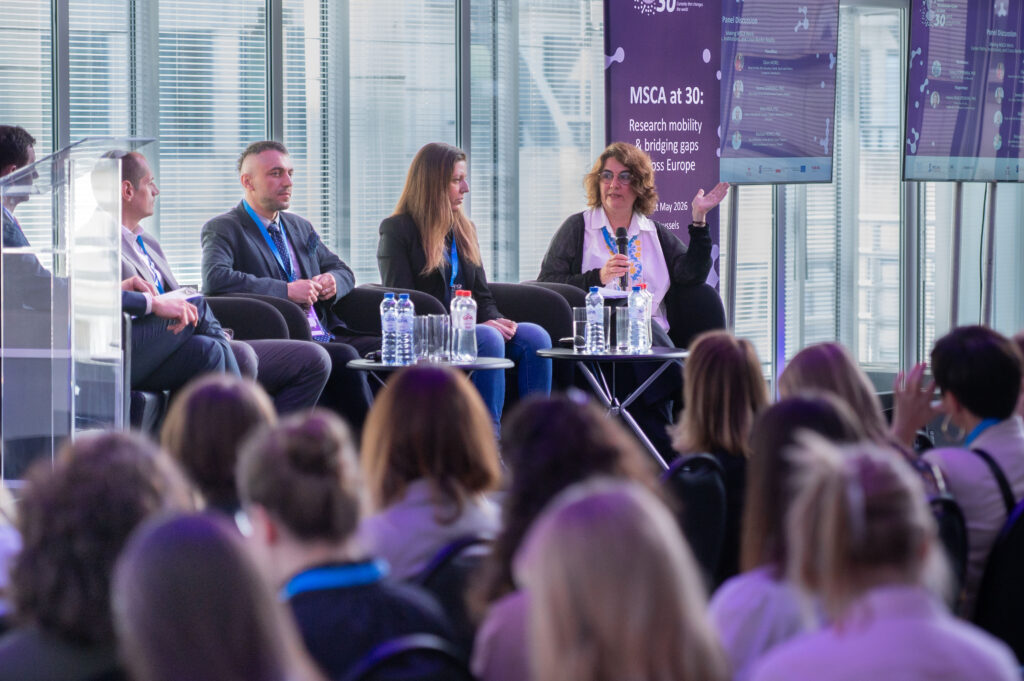
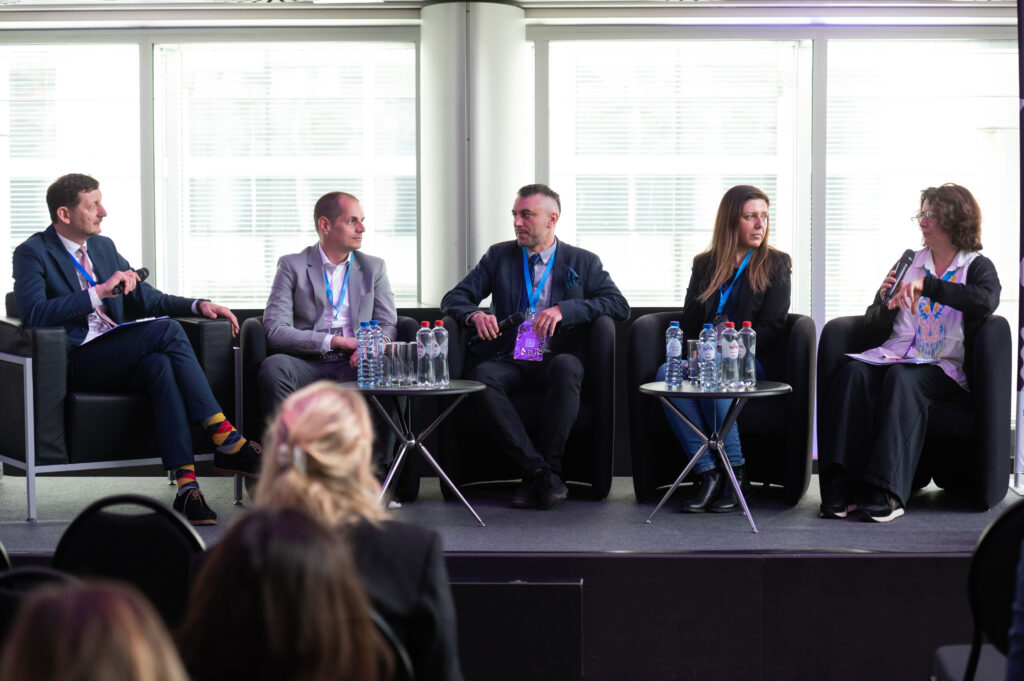
Panelists repeatedly highlighted that the success of MSCA lies not only in funding excellent research projects, but also in its ability to create international research environments and support researchers’ professional development. A key topic was the role of host institutions and their ability to transform individual grant successes into long-term organisational benefits. At the same time, participants noted that while MSCA contributes to talent circulation, further efforts are needed to strengthen institutional capacity to attract researchers and provide sustainable career prospects. One of the main conclusions was the need for greater institutional engagement and more stable, predictable career pathways in future editions of the programme.
Another recurring theme throughout the discussion was the importance of long-term relationships and partnerships fostered through the programme. Participants highlighted that one of MSCA’s most valuable contributions lies in its ability to connect researchers, institutions and sectors into durable collaboration networks that often continue well beyond the lifetime of individual projects and funding schemes.
Talent Circulation Instead of Brain Drain
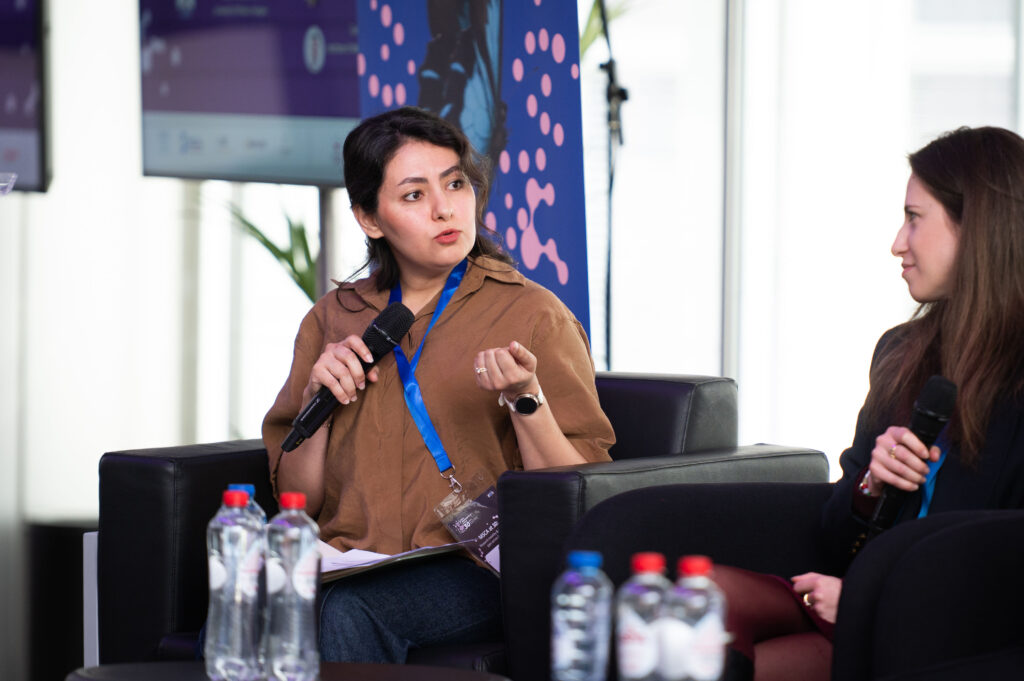
The interactive session Talent Circulation, Capacity Building, Research Bridges: Closing Gaps with the MSCA Portfolio was organised in a fishbowl format and moderated by Dr Shaghayegh Keshanidokht (MCAA Benelux). The discussion was initiated through short interventions by Dr Maria Górna (University of Warsaw), Dr Tamás Beke-Somfai (HUN-REN Research Network) and Valentina Vignali (University Medical Centre Utrecht), who reflected on how research mobility can be transformed into long-term capital for institutions and regions. Participants discussed researchers’ return pathways, the creation of attractive career opportunities, and the use of international experience for institutional capacity building.
The interactive format enabled participants to actively contribute to the discussion, bringing together perspectives from researchers, policymakers and mobility support organisations from EU Member States, Associated Countries and third countries alike.

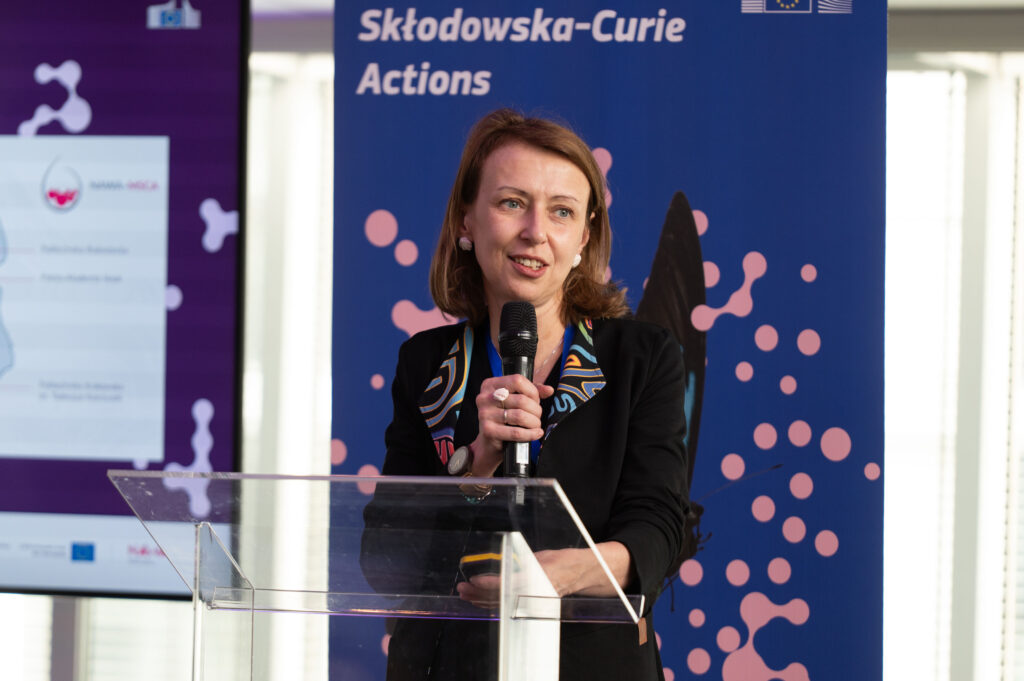
Following the discussion, Bogna Hryniszyn, Director of the PAS Office for Science Excellence, presented the session NAWA–MSCA Network: A Practical Model for Return, Reintegration and Career Support, dedicated to the collaborative network coordinated by the Polish National Agency for Academic Exchange (NAWA) since 2025. The network currently includes the Polish Academy of Sciences (in cooperation with University of Lodz), Cracow University of Technology, Nicolaus Copernicus University in Toruń, Silesian University of Technology, the Adam Mickiewicz University Foundation and Białystok University of Technology.
The presentation outlined the entire MSCA researcher journey, from identifying suitable calls and preparing proposals, through finding a host institution and implementing mobility projects, to return and further career development. Particular attention was given to the respective roles of national and regional contact points, host institutions and the EURAXESS network, as well as challenges related to unequal access to international networks, the quality of mentoring and reintegration support. The session also highlighted that Poland has developed a growing and evolving support ecosystem for participation in European programmes, with the NAWA–MSCA Network serving as an important instrument for its further strengthening.
Thematic Discussions and Matchmaking
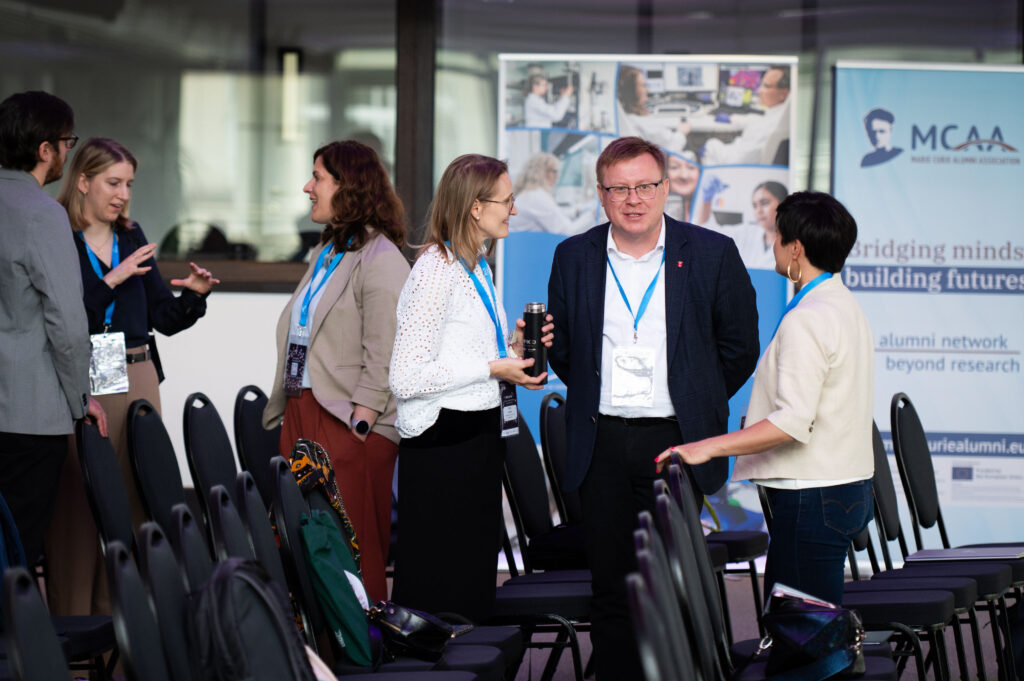
The afternoon programme focused on practical exchange and networking. Participants took part in three parallel thematic roundtables designed as moderated small-group discussions, enabling in-depth exchanges of experience among researchers, research managers, representatives of research institutions, organisations supporting participation in European programmes, and stakeholders from outside academia.
The objective of this part of the programme was not only to discuss challenges related to the implementation and future development of MSCA from different perspectives, but also to create a space for jointly identifying solutions, building new connections and exploring opportunities for future collaboration. Particular emphasis was placed on active participation, comparing experiences across countries and sectors, and formulating observations that could contribute to ongoing discussions about the future of the programme.

In the session PhD/Postdoc Careers & Brain Circulation: MSCA as a Talent-Attracting Platform, moderated by Isabel Herzhoff (KoWi), with contributions from Rodrigo García Valiente (Amsterdam University Medical Center), Agnieszka Razim and Magdalena Chomicka (Polish Academy of Sciences), participants explored factors influencing researchers’ mobility decisions and discussed how institutions can transform mobility experiences into long-term career development and sustainable research excellence.
Particular attention was paid to the concept of brain circulation and the conditions under which mobility strengthens both individual careers and institutional capacity rather than contributing to one-way talent flows. Drawing on experiences from different European research systems, participants identified practical measures to support career development and enhance institutional attractiveness. Discussions highlighted the need for longer and more flexible grants, high-quality mentoring, stronger institutional support and greater recognition of non-scientific factors, including researchers’ family situations.
The session Intersectoral Mobility & Non-Academic Pathways: From Secondments to Sustainable Careers, moderated by Dunja Hofmann (KoWi), featured Valentina Vignali (University Medical Centre Utrecht), Ilona Uryga-Bugajska (AGH University of Science and Technology) and Simon Marti (European University Association). The discussion focused on cooperation with non-academic sectors, the role of non-academic partners in research projects and the impact of experiences gained through collaboration with industry, NGOs and other stakeholders on researchers’ career development.
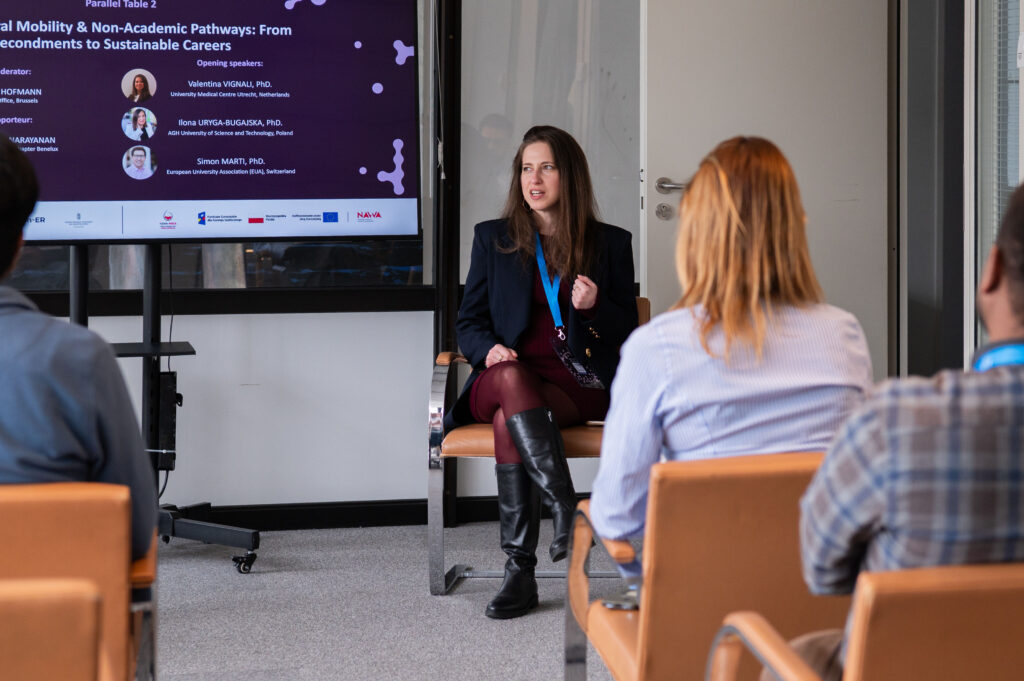

Participants discussed both the benefits of intersectoral mobility, such as knowledge transfer, transferable skills, employability and innovation as well as challenges including administrative barriers, cultural differences, career uncertainty and unequal access to opportunities. Participants stressed the need for better integration of non-academic partners and greater flexibility in designing career pathways.
The third session, Research Management, HR & Institutional Capacity: Enabling MSCA Across Diverse Systems, moderated by Łukasz Pieczonka (PolSCA Office), featured Fatma Demir (Vrije Universiteit Brussel), Anna Wojdała (Amsterdam University Medical Center), Mia Pistorius (Ghent University) and Maria Szlachta (National Contact Point / National Centre for Research and Development).
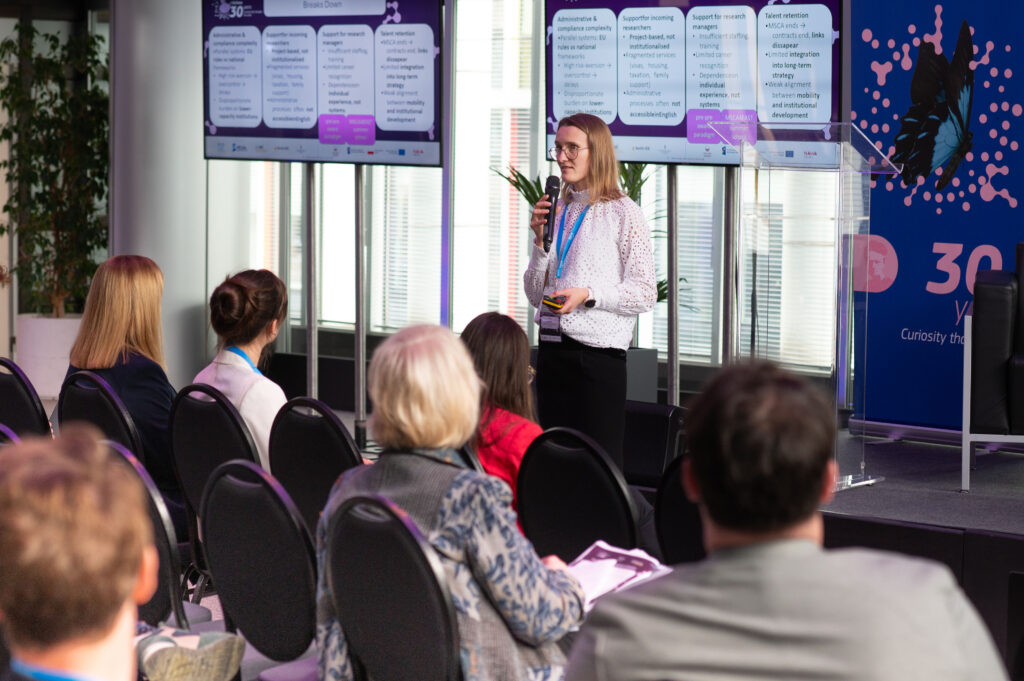
The discussion explored the role of institutional support structures in the successful implementation of MSCA projects, examining how research management structures, HR policies, grant offices and organisational culture shape researchers’ experiences and project outcomes. Participants compared approaches across countries and institution types, discussing recruitment, onboarding, compliance requirements, project support and long-term sustainability. The conversation moved beyond individual grants, focusing on how institutions can build lasting capacity, reduce administrative burdens and transform project-based success into long-term organisational development and research excellence.
The thematic discussions were followed by MSCA Matchmaking Zones, where participants could directly establish contacts and explore future cooperation opportunities. Networking was organised around three themes: career pathways for doctoral candidates and postdoctoral researchers, institutional partnerships for Doctoral Networks, Staff Exchanges and COFUND projects, and implementation support involving research managers and EURAXESS advisers.
The participants included researchers (e.g. from AGH University of Science and Technology and the Leibniz Information Centre for Science and Technology), representatives of science-support organisations (including Impact Brussels and the Polish Society for Aesthetics) as well as administrative support professionals (from the University of Liège and the National Centre for Research and Development).
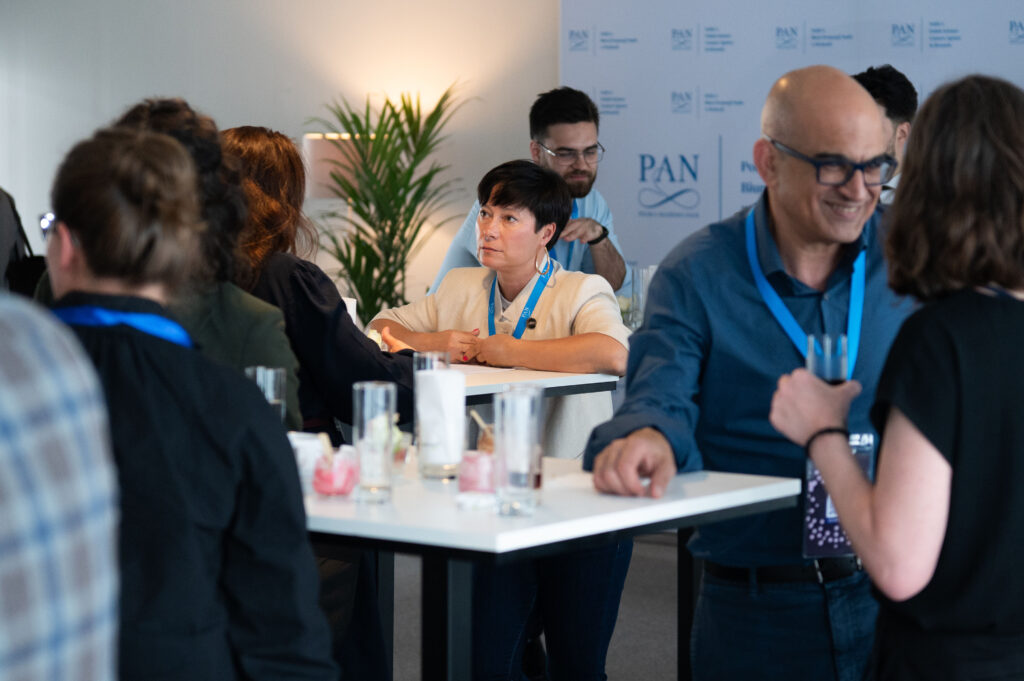
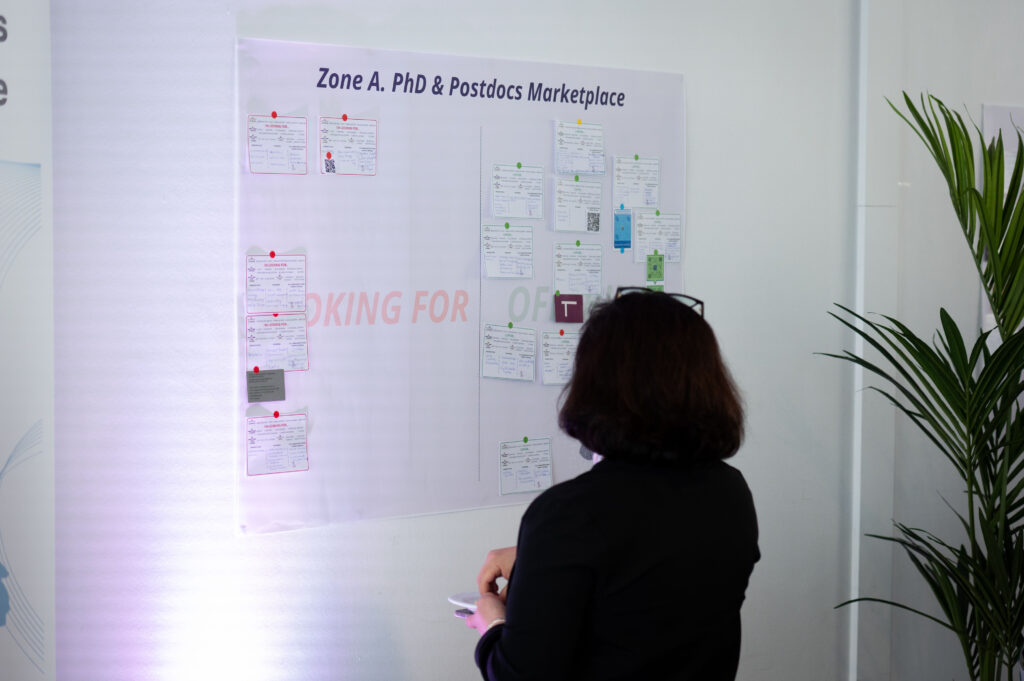
For many participants, this networking component represented one of the most valuable elements of the event. Beyond exchanging experiences, the sessions provided opportunities to identify future project partners, potential host institutions and new avenues for collaboration within MSCA and Horizon Europe. In practice, the matchmaking activities became a space where strategic discussions could be translated into concrete ideas, partnerships and future initiatives.
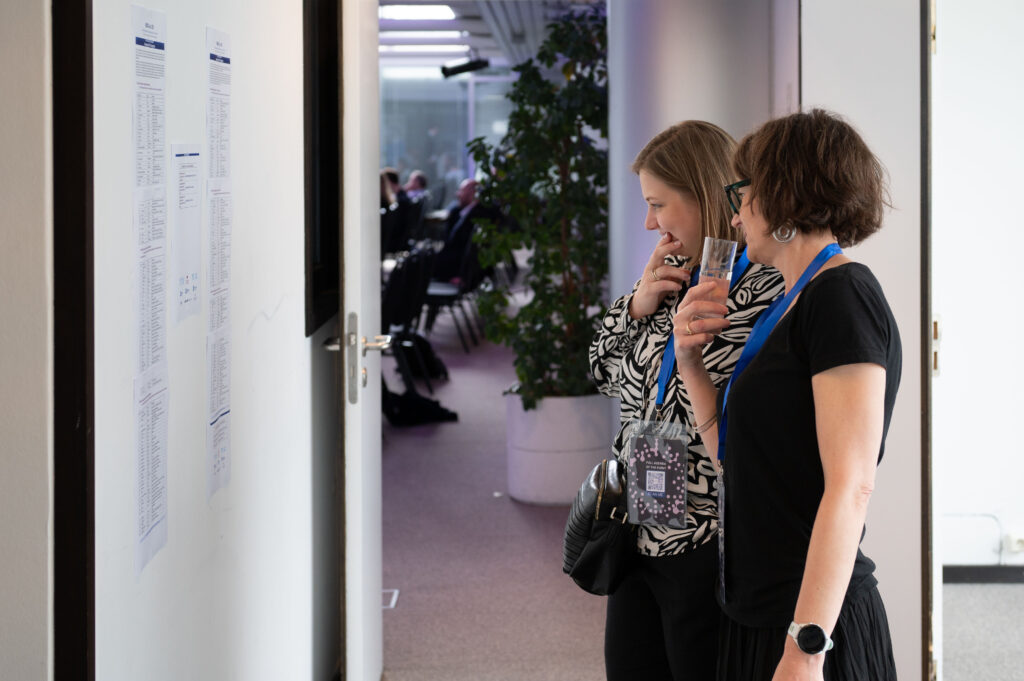
Complementing this part of the programme was the Wall of Opportunities, available throughout the day, which enabled participants to turn discussions into concrete contacts, project ideas and potential partnerships.
From Individual Experiences to Institutional Strategies
The dynamic session MSCA Stories That Teach: Practical Lessons from the Field was chaired by Vanessa Debiais-Sainton, Head of the MSCA Department at the Research Executive Agency (REA), European Commission. Practical experiences from MSCA projects were shared by Margo Baele (Ghent University), Tamás Beke-Somfai (HUN-REN Research Network) and Agnieszka Tadrzak (Institute of Physical Chemistry, Polish Academy of Sciences).
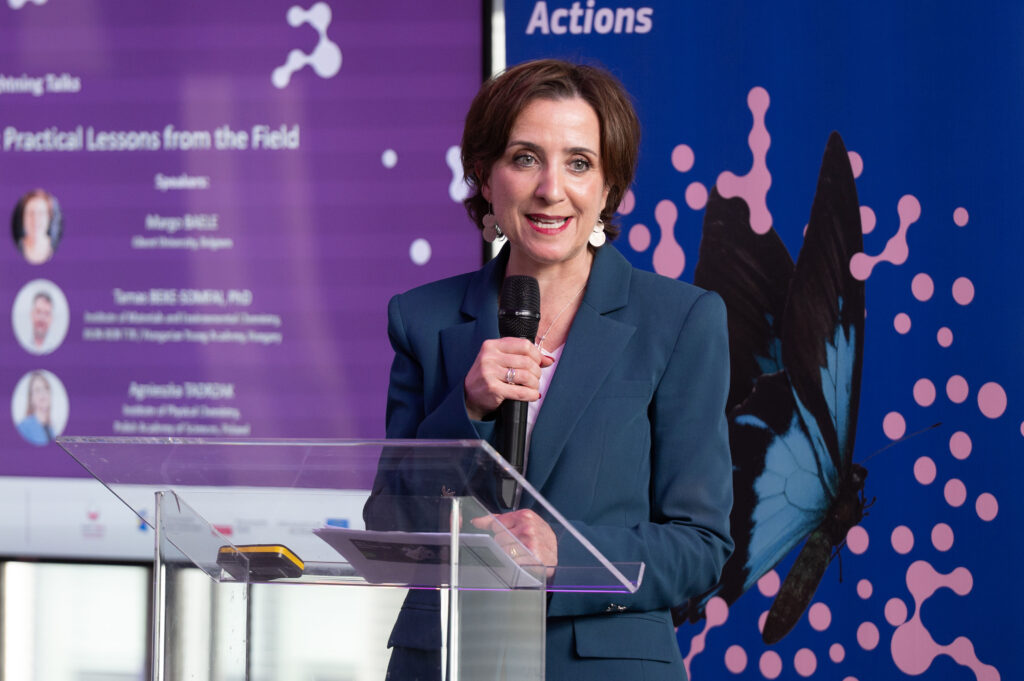

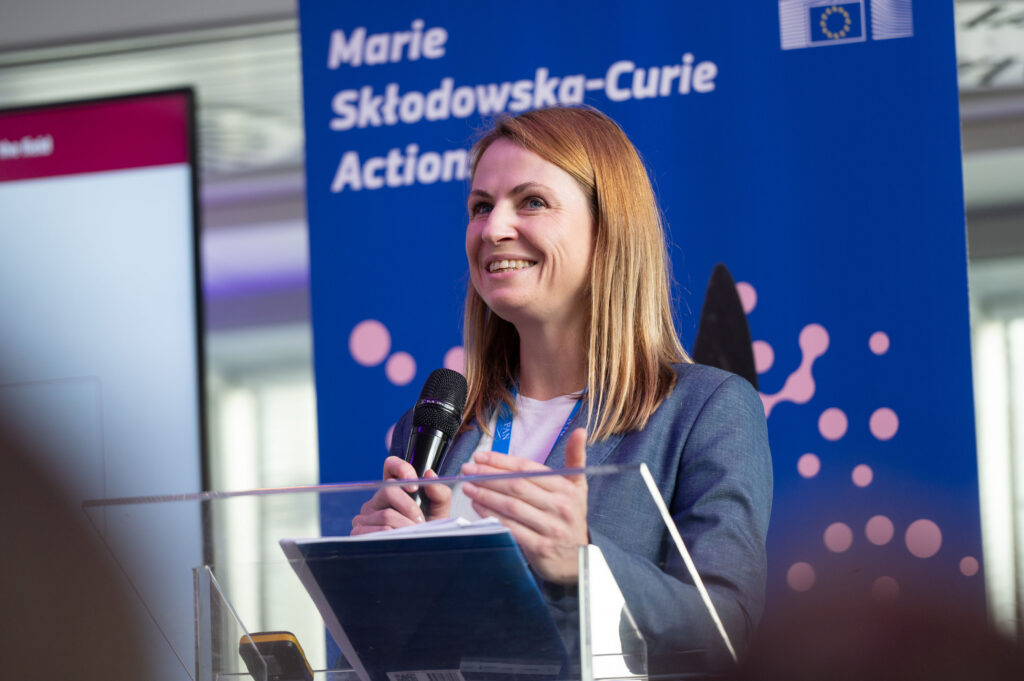
The presentations demonstrated the diversity of development pathways associated with MSCA participation. Tamás Beke-Somfai reflected on his experience of international mobility, returning to Hungary and establishing an independent research group, highlighting the importance of talent circulation and the long-term benefits of investing in researchers. Margo Baele emphasised the role of professional institutional support and research management competencies in maximising the opportunities offered by MSCA. Agnieszka Tadrzak illustrated how instruments such as MSCA COFUND, particularly in synergy with widening measures, can contribute to institutional internationalisation, organisational development and the creation of lasting structures supporting scientific excellence.
Looking Ahead: Conclusions and Future Recommendations
The discussion that followed confirmed that the impact of MSCA extends far beyond individual research careers. In many cases, it acts as a catalyst for creating new research teams, developing international cooperation, professionalising research management and building lasting institutional capacities that remain long after individual projects have ended. The conversation also addressed emerging challenges facing the MSCA community, including the growing role of artificial intelligence in proposal preparation and evaluation, as well as the need to further strengthen links between scientific excellence, knowledge transfer and the societal and economic impact of research.
Despite the diversity of countries, sectors and career stages represented at the event, a common message emerged throughout the day: Europe does not suffer from a shortage of research talent, but rather requires stronger mechanisms for connecting people, institutions and sectors into sustainable ecosystems of collaboration. In this context, MSCA was widely perceived not only as a mobility programme, but also as a strategic instrument for building trust, fostering partnerships and strengthening institutional capacity across the European Research Area.
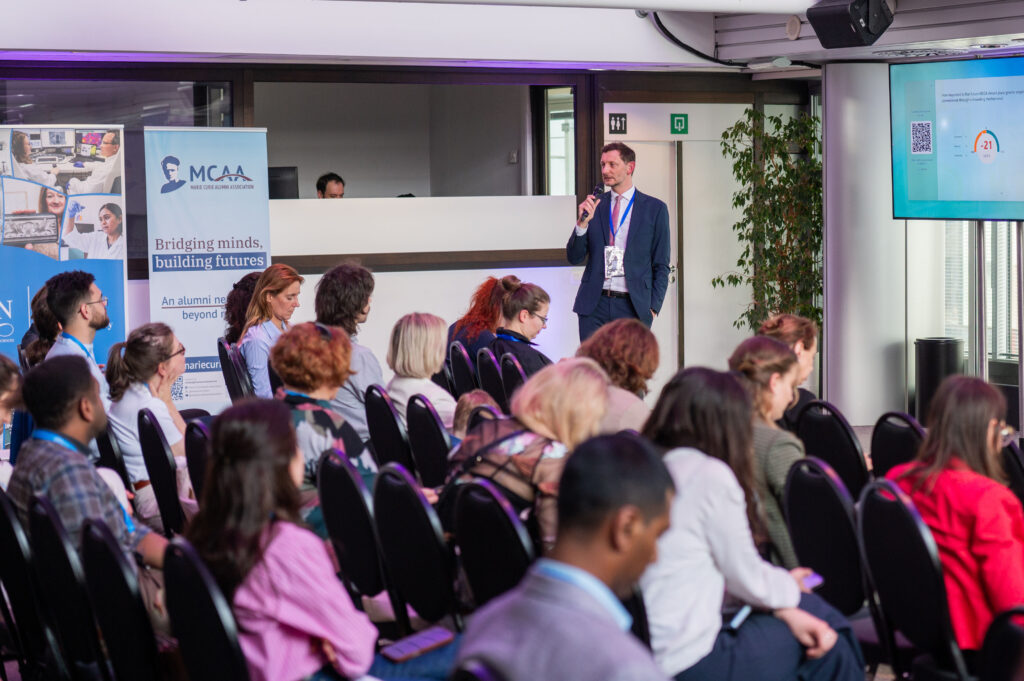
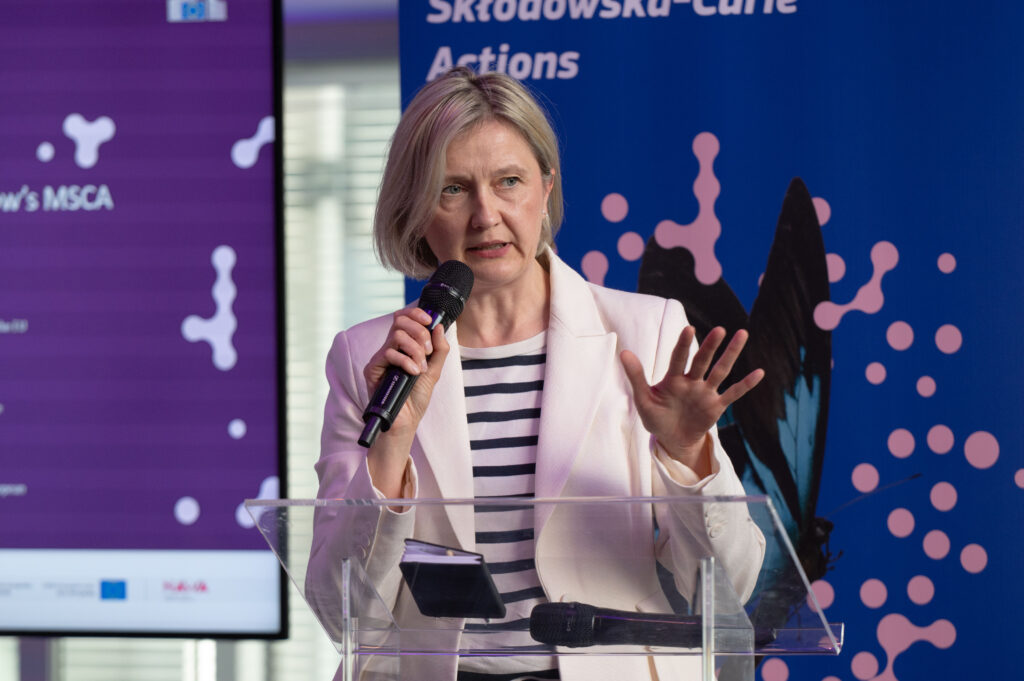
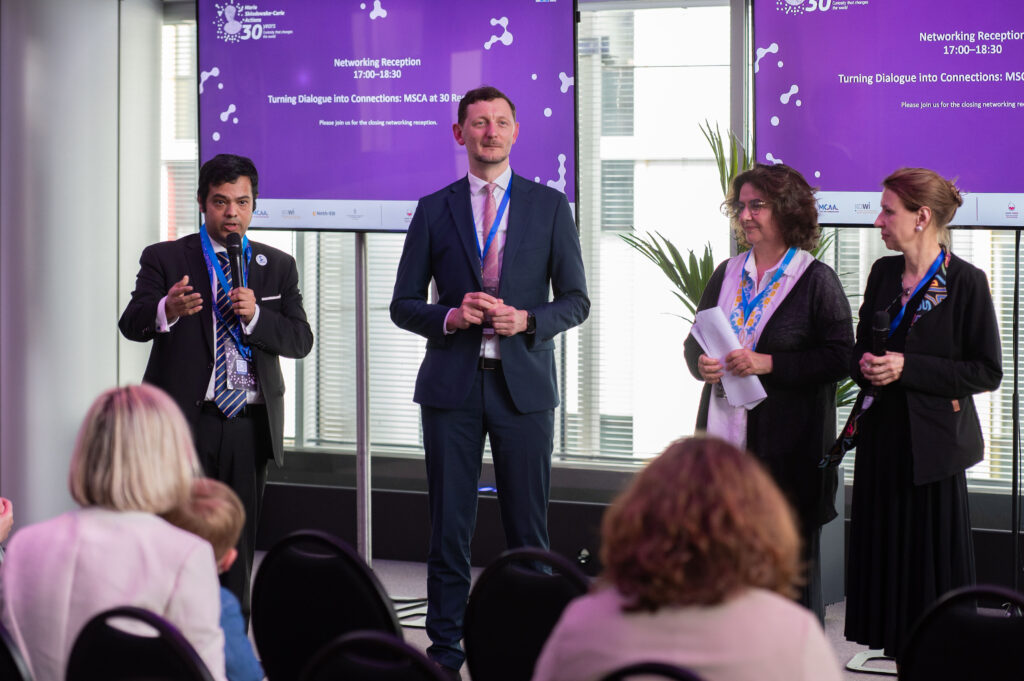
The event concluded with a synthesis session during which participants voted live on policy priorities for the future of MSCA. A perspective from the Polish EU Presidency community was provided by Magdalena Kula, Research Attaché at the Permanent Representation of Poland to the European Union, who summarised key conclusions together with Tomasz Poprawka & Bogna Hryniszyn (PAS), Claire Morel (EC) and Mostafa Moonir Shawrav (MCAA).
The discussions initiated during the event will continue beyond the conference itself. Organisers are currently working on a set of recommendations concerning the future of the MSCA programme, with publication of the final document planned for summer 2026. The organisers intend to present the resulting recommendations to European institutions as a contribution from the MSCA community to the ongoing debate on FP10 and the future of European research careers and talent development.
Photo gallery
Photos by Kinga Majewska / BXL Frame. If you repost, please credit the author.


